













































In questo articolo
The topic of environmental sustainability is among the most discussed and also involves the textile and clothing industry, sectors that have a significant impact on the ecosystem and health. In this regard, the WWF established a rating to evaluate the environmental performance of companies operating in various sectors, finding that the clothing industry, with as much as 1.7 million tons of CO2 annually, significantly contributes to global greenhouse gas emissions, as well as requiring high water consumption and producing 2.1 billion tons of waste each year.
Fashions are increasingly faster and Fast Fashion—the tendency of some companies to continuously renew their clothing lines to meet customer demands—worsens the situation.
On this topic, based on data from Oekom Research, WWF analyzed the ecological commitment of 12 textile brands, finding that more than half of the companies surveyed have not yet adopted measures to limit the effects of climate change.
This trend could worsen. According to forecasts, the demand for clothing will continue to grow, rising from 62 million tons in 2015 to 102 million in 2030.
What companies can do to address the problem
According to WWF, the clothing industry can help restore harmony between humans and nature, but there is still a long way to go. Companies, in order to continue their business, will need to reduce their ecological impact, especially since it is primarily the consumers who are increasingly attentive to their health and the environment and seek less polluting products. What companies can do at this point is to make their operations more sustainable and adopt Green Marketing strategies. This choice also helps improve the brand image.
Specifically, WWF suggests three intervention areas:
- Ecological efficiency: the textile industry must intervene and improve production processes, the primary cause of pollution, addressing water consumption, water pollution, and the use of chemicals.
- Innovation and transformation: it is necessary to minimize the consumption of resources and the negative environmental impact despite the expected growth of the sector, which is possible by implementing new business models and innovative technologies.
- Sustainable consumption: encourage sharing, exchanging, and recycling clothing among consumers to reduce clothing consumption.
WWF advises that the production model of companies must change direction and be based on the promotion of reduced purchasing, recycling of garments, reuse, and sharing. Furthermore, it can also promote low environmental and social impact events and initiatives and select sustainable materials and packaging.
What consumers can do to address the problem
WWF addresses not only companies but also consumers through information and awareness-raising efforts. According to the WWF report, consumers can contribute to reducing the environmental impact of the textile industry through their actions:
- buying less;
- simplifying their style and choosing clothing of better quality in terms of sustainability;
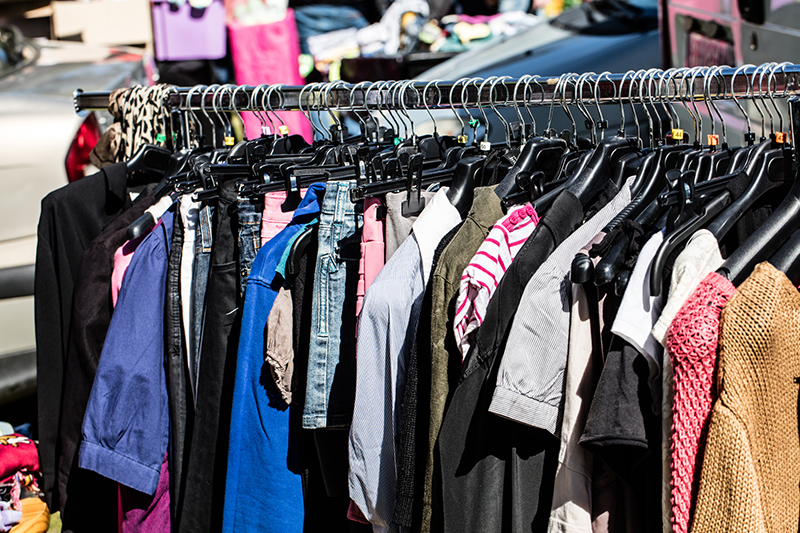
- buying second-hand clothes or sustainable products.
By increasing the demand for eco-friendly clothing, fashion companies will have to adapt to the market by abandoning Fast Fashion and choosing a more ethical and sustainable path. This means using natural fabrics of organic origin—such as cotton, linen, hemp, jute and others—or biodegradable or recyclable natural-origin artificial fabrics.