











In questo articolo
Wet bags are an essential accessory for those who have chosen to use reusable diapers and pads and avoid disposable products. They are actual bags made of breathable and waterproof materials designed to store reusable diapers — but also used feminine pads — before washing.
They are the ideal solution for the hygiene and convenience of those who want to reduce their environmental impact and need to wait a few days before doing laundry, preventing unpleasant odors.
This is well known by stores and e-commerce selling organic, sustainable products and environmentally friendly baby items. However, the wet bag is not the only product that can serve this function: fabric bags can also be used to hold eco-friendly diapers awaiting washing. Let’s see why these are functional options and how they work.
What are wet bags?
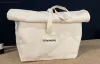
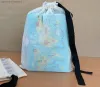
A wet bag is a pouch made from PUL fabric (Polyurethane laminated), a breathable, soft, yet waterproof material that prevents leakage of liquids and the formation of stains and excessive odors inside.
There is a wet bag for every occasion:
- large, to use at home for storage
- medium, to carry outside the home
- small, for girls and women who need to spend long periods away from home
There are also wet bags with double compartments to keep both dry and wet diapers separated, as well as models with hooks for hanging the wet bag.
How a wet bag diaper holder works and how to use it
The wet bag can be used as a container for dirty diapers (waiting to be washed). It is an ecological, reusable, and practical solution to manage damp items without compromising cleanliness and organization.
Used reusable diapers do not have to be washed daily but from the second or third day after use. For this reason, the wet bag is convenient for those who need to store diapers while awaiting washing. Simply place the reusable diapers inside the wet bag and then close the container. Each model has its own closure: zipper, buttons, or drawstrings (in the latter case, simply tie a knot to close the bag).
The wet bag can be easily washed, either by hand or in a washing machine. The material dries quickly, making it ready for reuse in a short time. This dirty diaper container is designed to perform its function effectively without hygiene issues. Moreover, when it’s laundry time, the bag can be placed in the washing machine along with its contents. Ideally, place the wet bag in the machine and turn its contents directly inside the appliance to wash and disinfect both the diapers and the wet bag at once.
The wet bag for reusable diapers is also very practical because it helps keep the diaper bin clean, reducing the use of disposable trash bags.
Other ways to store dirty diapers: pros and cons
Sometimes reusable dirty diapers are placed in a plastic bin while waiting to be washed. This solution is low-cost, and eventually, the bin can be reused to collect trash, for example. However, this implies that:
- diapers to be washed must be taken by hand and loaded into the washing machine
- the bin must be cleaned and disinfected frequently
- odors may escape
The advantages of using wet bags for reusable diapers
Wet bags offer a range of advantages that make them essential for those who want to manage dirty, wet, or damp items in a practical and sustainable way. One of the main benefits is their ability to keep wet items separate from dry ones, ensuring order and cleanliness both at home and while traveling.
Additionally, they are versatile. Beyond holding dirty reusable diapers, they can also be used for a wide variety of items such as swimwear, sports clothes, or washable pads. Many wet bags are designed with separate compartments, allowing simultaneous storage of dry and wet items, enhancing practical use.
A significant aspect of wet bags is their eco-friendliness. Being reusable, they represent a sustainable alternative to disposable bags, thus reducing environmental impact. They are easy to wash by hand or machine and dry quickly, ready to be reused multiple times.
Wet bags are also lightweight and easy to carry, with compact designs that make them ideal for bags, backpacks, or suitcases. They often include practical details like hooks or handles for hanging, adding further convenience.
Which wet bag model should you choose?
Wet bags are available in various sizes, designs, and materials. Some include separate compartments to divide dry and wet items. This way, they can be used not only as containers for dirty diapers but also as bags to hold wet or damp items like swimwear.
You can choose among small, medium, and large models depending on your needs. For example, a small pouch is perfect to carry everywhere daily. It can be kept in the stroller, handbag, or backpack and used during diaper changes. A medium or large model, on the other hand, is useful for those looking for an ecological diaper container to keep at home. It can hold several reusable diapers awaiting laundry.
When choosing, consider:
- The material. It must be waterproof, durable, and washable, such as PUL fabric or natural cotton. It is important to ensure the fabric is certified safe and free of harmful chemicals, especially if the bag is for items used with babies or in contact with skin.
- The size. Assess the primary use of the bag — whether for inside or outside the home — to help choose the most suitable size.
- Ease of use and cleaning. Considering washing ease and seam quality is important because a well-made wet bag will withstand frequent washing without losing functionality and integrity. Evaluating the design and additional features like handles or hooks for hanging can enhance the user experience.
Where to place wet bags at home?
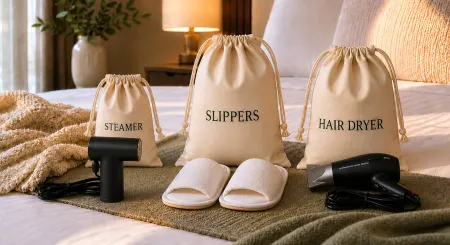
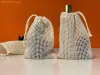
Fabric wet bags with drawstrings can be hung in a hidden corner of the bathroom or laundry room. Alternatively, they can be placed inside a lidded bin, preferably made from natural materials. Ideally, keep wet bags away from heat sources or direct sunlight to avoid moisture buildup.
Not only wet bags! Fabric bags are also a valid alternative
PUL fabric (polyurethane laminated) consists of polyester fibers produced through a chemical lamination process. It is widely used as a cover for reusable diapers for its breathability and waterproof properties. However, it is a plastic material.
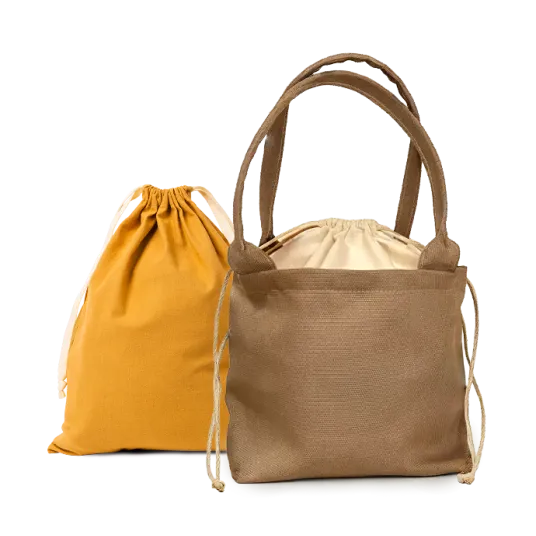
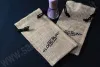
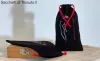
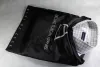
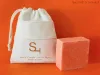
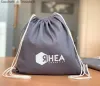
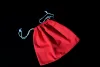
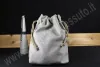
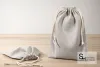
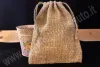
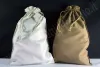
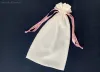
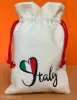
If you have a physical or online store offering eco-friendly products and you are looking for an even more sustainable alternative for your customers, fabric bags can also be used as wet bags because they are durable, machine washable, and spacious. For example, cotton fabric bags, hemp, and linen bags are also used to hold cosmetics and creams: their dense weave prevents liquids from leaking, and they can be easily washed with other laundry.
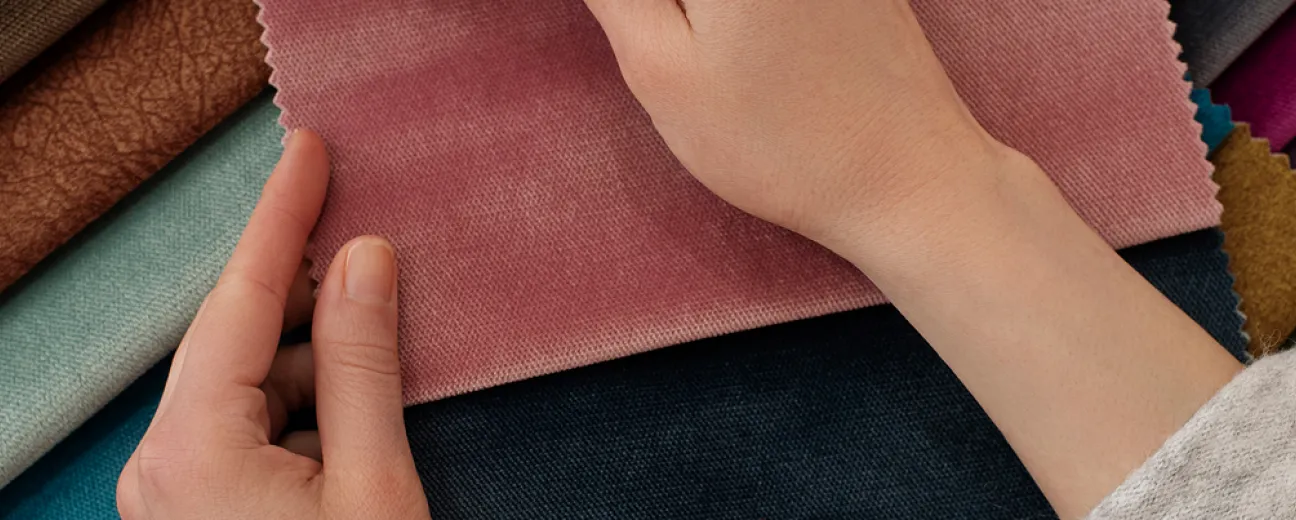
Like PUL fabric, some natural fabrics are breathable and waterproof and also:
- resistant to tearing
- soft to the touch
- hypoallergenic
- easy to wash and store
- 100% biodegradable, ecological, and recyclable
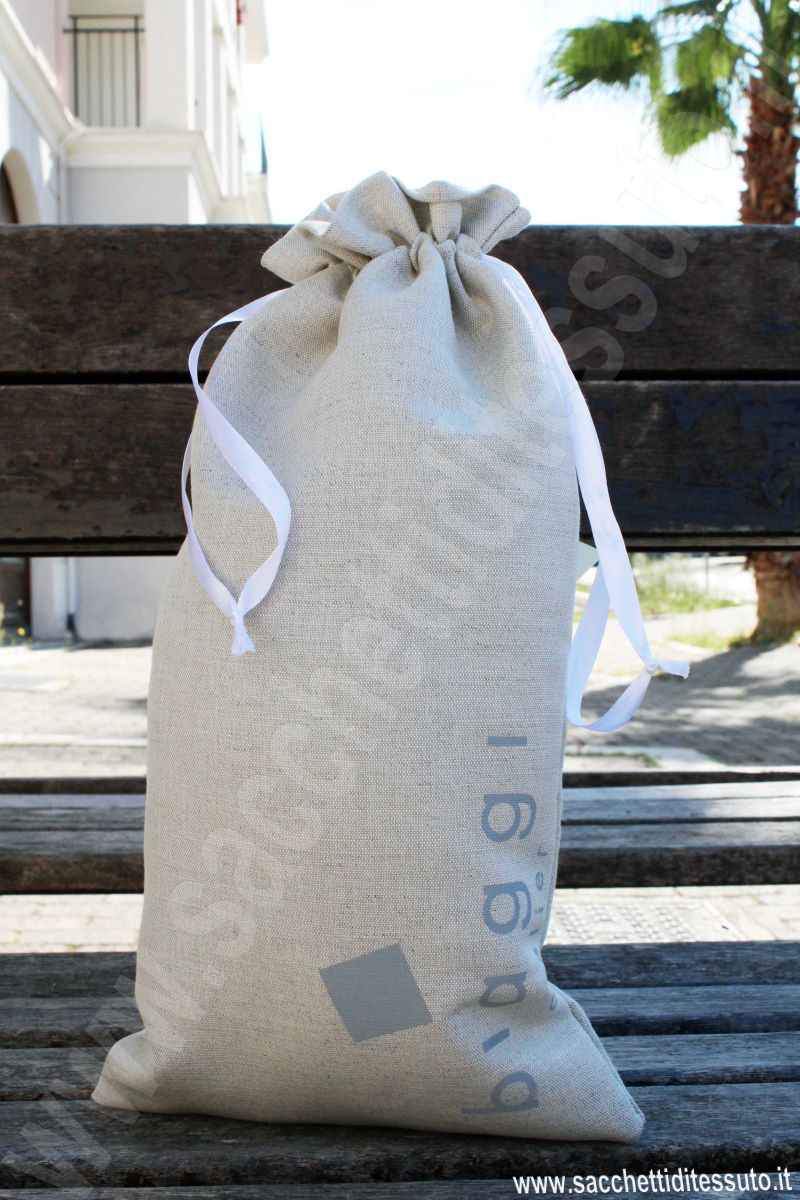
Fabric bags are highly valued for these qualities and are therefore used in many sectors such as packaging, cosmetics, food, and many others!
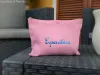
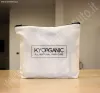
They are customizable — for example, you can personalize them with your store's brand or a friendly phrase — carefully crafted in every detail and available:
- in various sizes;
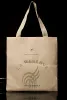
- with handles or straps;
- with candy pouch, drawstring, or zipper closure;
- in the shape of a beauty case, clutch, pouch, or shopper bag.
Using wet bags after diapers are no longer needed
Even when reusable diapers are no longer in use, fabric bags continue to be useful for:
- carrying spare clothes
- as toy bags
- as sneaker bags
- storing used swimsuits at the pool or beach without wetting the main bag
- as laundry bags
Alternatively, they can be kept in storage for a future sibling.
There are also alternative ways to use fabric bags. For example, they can be used as beach or pool bags to hold sand toys, damp towels, as shoe storage fabric bags, or even as cloth shopping bags!