








































In questo articolo
Like every sector, the tourism industry is subject to trends that can be more or less fleeting. However, one trend is set to last: sustainability. Encouraged by European regulations and growing consumer attention to the environment and its resources, eco-compatibility is increasingly sought after by guests of hotels and hospitality facilities. Today’s travelers are more motivated to make sustainable choices in every aspect of their trip, including hotel services and amenities. The main focus of this growing awareness? Plastic. This is why single-use bottles and various packaging are viewed with increasing suspicion and, besides being a significant cost for the facility, risk damaging its image. Let’s see then how to reduce plastic use in hotels without sacrificing quality and comfort for guests.
The impact of single-use plastic in the hospitality sector between regulations and competitive advantages
Reducing plastic in hospitality is not a new issue, but recently it has become more pressing and necessary to comply with both new international regulations and travelers’ increasing environmental awareness.
Problem analysis: small bottles, packaging, and accessories
Hotels are among the largest producers of plastic waste worldwide: shampoo and shower gel bottles, soap sachets, but also cups, cutlery, sugar packets, and other condiments... All of these single-use items, multiplied by every room and hundreds of stays per year, reach very high quantities that weigh heavily on the environment and hotel budgets. For example, some major hotel chains have eliminated single-use packaging inside their properties for several years now. Among the first, the InterContinental Hotels Group (managing brands like Holiday Inn and Kimpton) removed as many as 200 million individual bottles per year; followed by Marriott International (reducing plastic by over 770 thousand kg). Moreover, the European Union is moving strongly in this direction, and soon compliance will no longer be optional but mandatory. The Packaging and Packaging Waste Regulation (PPWR), also known as Regulation (EU) 2025/40, introduces obligations and bans relevant to the hospitality sector. By 2030, it will be prohibited to produce single-use packaging such as single-dose sachets of sauces and condiments, and mini complimentary packages. The amenity set is precisely one of the elements that lends itself best to a complete redesign in both content and container, with positive effects on the perceived quality for guests.
Competitive advantages of an eco-sustainable hotel
Eliminating single-use plastic means meeting the approval of increasingly aware guests and, as a result, improving ratings on booking platforms. A recent Booking.com study on a sample of 32,000 travelers from 34 countries revealed that eco-sustainability is a fundamental criterion for many of them. Regarding Italians, in 2025, 95% of respondents stated they want to make — or have already made — more sustainable holidays (compared to 36% ten years earlier). This is a genuine preference that translates into concrete competitive advantages, starting with platform ratings.The same online agency rewards environmentally virtuous facilities with the Sustainable Travel badge: a program aimed at hotels, B&Bs, and holiday homes that reduce their environmental impact through a series of defined actions (including eliminating single-use plastic packaging), thus gaining greater visibility on the site.According to a Hilton survey, already in 2018 one-third of guests researched a hotel’s environmental and social practices before booking, confirming that adopting sustainable practices can also lead to increased revenue.
Solutions to reduce plastic starting from the heart of hospitality
The concern when adopting alternative or new solutions is losing that special something that makes the property unique. In reality, shifting to sustainable alternatives does not diminish personality but adds to it, and can be done without losing the sophistication and distinctiveness characterizing the hotel, starting with the welcome kit.
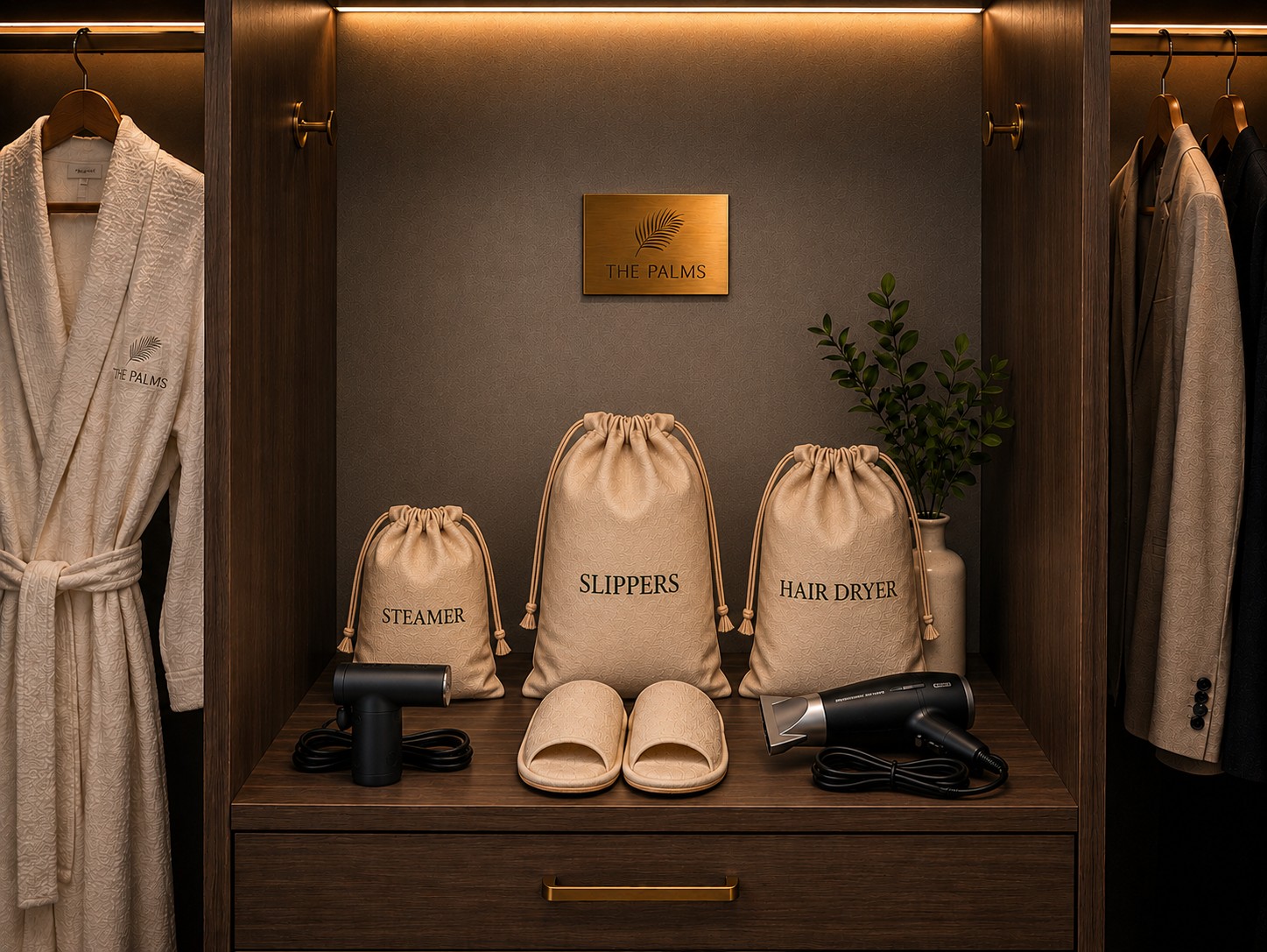
Rethinking the amenity line with an eco-sustainable approach: not just the content, but also the container
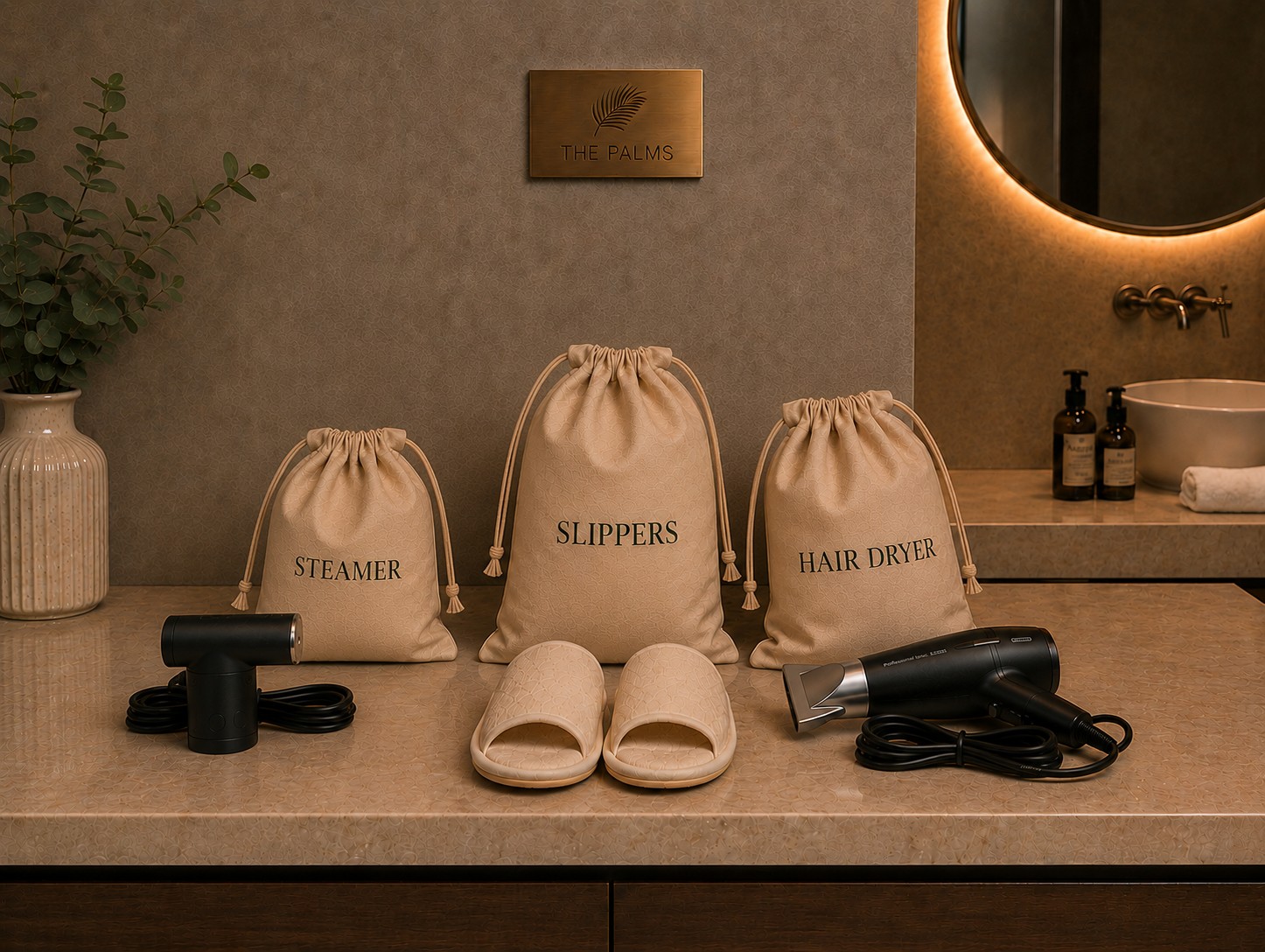
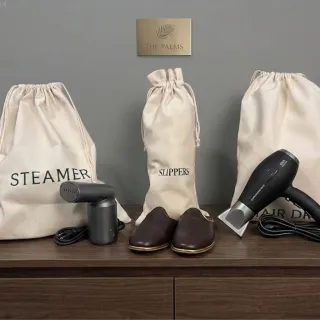
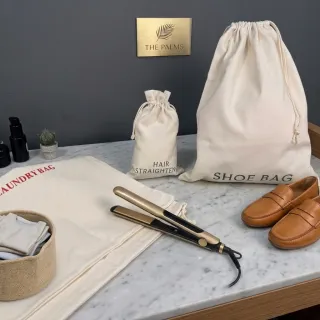
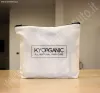
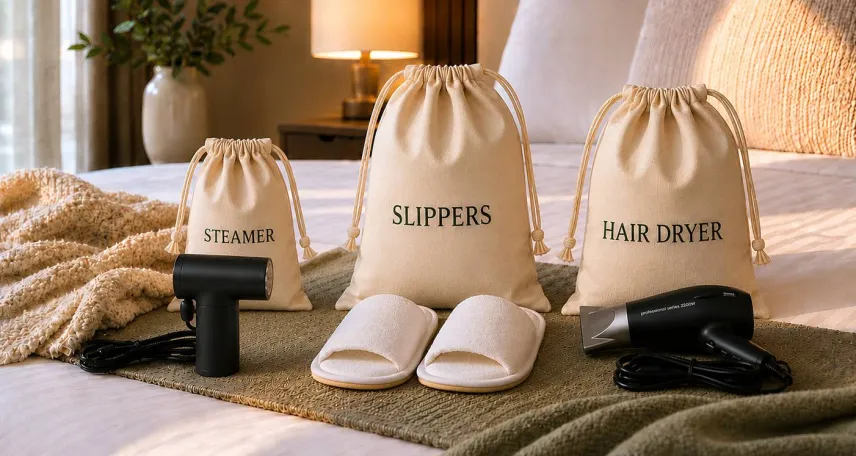
The amenity line is an important point of contact between guests and the brand: a very effective way to welcome guests and communicate the hotel’s values and philosophy. For this reason, if eco-sustainability is embraced, it must start here. Single-use bottles and plastic or cellophane packaging risk sending the wrong message and convincing travelers that the property is not responsible at all.Beyond body care products, accessories, and other items such as hairdryers, brushes, and slippers included in the set, perceived quality is also measured by their presentation: a fabric bag for amenity kits, customised with the hotel logo, conveys care, quality, and conscious choices. It also becomes something the guest can decide to take with them, like a small gift.
Unlike traditional containers, an organic cotton bag meets several requirements:
- it respects nature since it is made from natural raw cotton (100% biodegradable, ecological, and recyclable): a perfect organic fabric for green cosmetics and to contain various items.
- it becomes a genuine branding tool, as it communicates the hotel name fully tailored to its needs: from shape and size to graphics;
- it confirms the property’s attention to guests and the environment, as a gadget to be reused endlessly without waste.
Farewell to small bottles: dispensers and eco-friendly amenity kits
Another solution to reduce plastic consumption in hotels concerns single-use bottles. Many upscale hotels are opting for larger, refillable, wall-mounted dispensers. This way, it is enough to refill the container each time without having to replace the entire kit with new single-use bottles. To maintain a high perception of quality, the key lies in product selection. There are many valid alternatives on the market to standard formulations: with natural or vegan ingredients, free of petrochemicals, or with unique fragrances. The dispenser design can also be stylish as well as ecological (such as stainless steel or other premium materials), and aligned with bathroom aesthetics.
Ideas to reduce plastic in other hotel departments
The ecological transition does not stop at the room: other hotel departments can also be improved to contribute to overall sustainability.
Food service and breakfast: eliminating single portions and straws
Breakfast is where the most waste accumulates within the facility: single portions of jam, butter, and honey in plastic trays; juices in small bottles; straws; disposable cups. However, intervention is possible, for example by replacing single portions with refillable dispensers for honey, jams, sauces, and condiments; or with reusable tableware made from ceramic or other washable materials. The European SUP Directive (Single Use Plastic), enacted in Italy through Legislative Decree 196 of 2021, already banned the production of plastic straws, cutlery, and other single-use plastic items but allowed companies to exhaust existing stocks. Now could be the time to eliminate them completely and offer alternatives made of sustainable materials, such as paper, bamboo, or metal. Generally, choosing local ingredients and food supplies reduces the packaging used for transport and, therefore, the waste generated during meal preparation.
Water management: filtration systems and customised bottles
How to avoid water bottles, which are responsible for a large part of global pollution? For example, by installing filtration or purification systems in rooms: instead of plastic containers, each room can be equipped with glass or steel carafes or — why not — customised bottles with the hotel logo. Water fountains or filtered water dispensers in common areas also encourage reuse.
Housekeeping and supplies: reducing packaging for cleaning products
Often overlooked but equally important is the cleaning and housekeeping department. To reduce plastic consumption, it is possible to choose large-format refillable containers that eliminate waste problems. Solid formulations (tablets or tablets) often do not require plastic containers. Finally, for linens, it is advisable to use reusable fabric bags instead of plastic ones.Regarding room tidying, it is recommended to stock waste bins with biodegradable bags and encourage guests to recycle properly in rooms and common spaces. Guests, together with staff, can be the key to the success of this whole initiative.
Communicating sustainability: how to involve guests and staff
Choosing sustainability is certainly the first step, but to make it a shared and valued choice, it is necessary to involve both staff and guests. Hotel personnel, in fact, are the brand ambassadors and thus influence the property’s positioning. It is important that they are informed and trained on the initiatives and decisions made, so they can share these with guests and respond to any questions. This also enables them to contribute actively with suggestions and feedback: new ideas and improvements may arise.
Also important is effective storytelling for travelers. The line between pride and boastfulness is thin, but measured and engaging communication can truly create a valuable connection and improve the overall perception. For example, you can accompany the amenity kit with a recycled paper card explaining why you decided to replace plastic with green packaging and what the benefits of this choice are, including data and figures about the improvements achieved. Remember that tone and style matter: aim to speak clearly, positively, and directly. Sustainability is a concept that resonates in people’s minds and hearts; why obscure it with many words?