


























In questo articolo
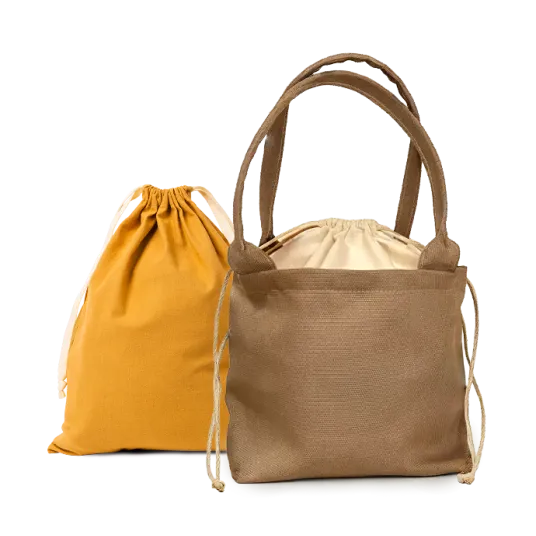
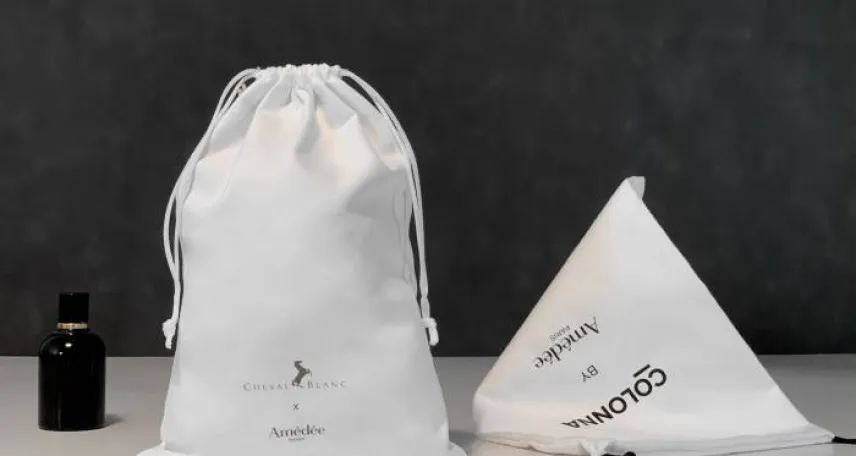
Fabric bags are the ideal packaging for companies wanting to accompany their products with an alternative and ecological packaging. Packaging is very important to consumers, who increasingly demand eco-friendly packaging. Moreover, it is also important that the bag is of excellent workmanship, to enhance the perceived value of the product and to protect it during transport from the store to home. How can you tell if the fabric bag you purchased is of quality?
There are several details that can help you distinguish a high-quality fabric bag from a mediocre one. Let us examine them together.
A quality bag is made with natural, long fibers and has a tight weave
The quality of a fabric bag can be noticed from many details. First of all, do not be deceived by the fabric’s reputation: whether it comes from the cotton plant, linen, hemp or jute, low-cost variants with poor performance or blended with synthetic fibers are common. Certainly, if a bag is 100% synthetic, the quality will not be high.
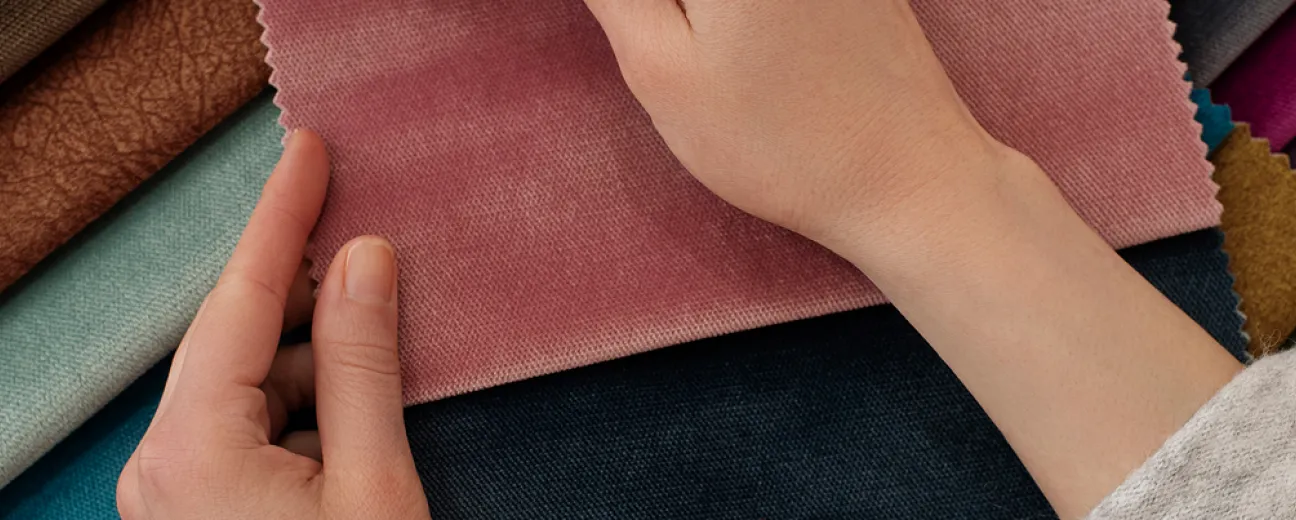
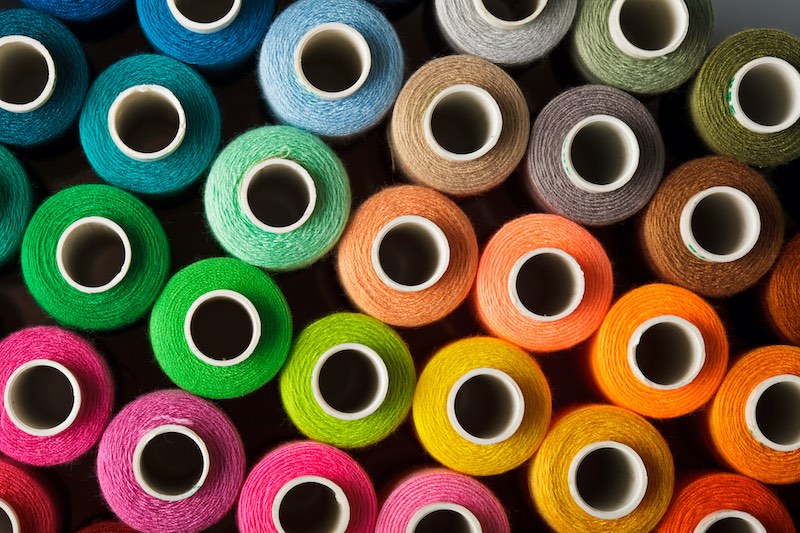
Quality control starts with the fiber and the weave. For example, if the cotton bag has long fibers, it is a quality product. Long fibers provide greater softness and durability. If the weave is transparent, easy to stretch with fingers, or irregular, it may indicate low resistance and thus a low-quality fabric.
Check seams, color, and print workmanship
Beyond fiber, to assess whether your fabric bag is of quality, we recommend checking other details as well.
- The seams
It is important to observe how the bag has been sewn to assess its durability: if there are holes or frayed stitches, or if the seams are loose or crooked, the bag is defective, and the appearance may be untidy. - The color
Low-quality products have dull colors that tend to fade further during washing. A bright tone, instead, indicates good quality. - Prints and customisations
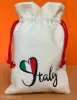
Fabric bags can be customised with logo, image, and slogan prints. The print quality is evident from the crisp definition of the logo and uniformity of the color. It is also important to know what type of inks are used. The best are water-based inks without synthetic solvents, which are non-polluting and remain eco-sustainable over time!
How to know if the bag is made from eco-sustainable fabrics
Many materials used to produce fabric bags, such as cotton, jute, hemp, and linen, are sustainable. However, there are other fabrics that cannot guarantee the same sustainability standards. For example, silk cannot be considered ethical and vegan-friendly because the silkworm is boiled inside the cocoon to extract fibers for weaving; even less so nylon, which is derived from petroleum processing. Then there are synthetic fibers, produced from the cellulose of certain plants but not sustainable in their processing: the extraction involves chemical procedures, so they are not 100% natural. The more chemical the process, the less ecological the production becomes.
Therefore, before purchasing an apparently eco-friendly bag, check if it is certified. Certifications such as OEKO-TEX® and GOTS, for instance, indicate that the product is eco-sustainable, as they are granted only when the materials and processing — including the fiber and dyeing process — have a low environmental impact and when workers’ conditions are dignified without labor exploitation.
In particular, the OEKO-TEX® certification indicates the producer is certified as environmentally friendly both in processes and facilities. The GOTS (Global Organic Textile Standard) certification refers to an international standard for certifying natural fibers and includes ecological and social criteria.
Watch the cost of the bag: if too low, it is not quality
Finally, the price can give you an indication of the quality of the bag you intend to buy. A high price does not necessarily guarantee excellent quality, but it is a first indication. Generally, synthetic fabrics have a lower cost, while cotton and other natural fibers have variable prices. Other materials, such as silk or satin, can reach very high prices.
A medium to high price is justified if the bag is made from high-quality natural fibers, certified, and well crafted; otherwise, it will be a low-quality bag that costs too much and may tear earlier than expected.
Even if the fabric workmanship is not the best, a low-quality fabric bag can be used until it wears out and then repurposed. For example, it can be recycled and transformed into a cushion, a key holder, or a fragrant sachet for wardrobes.