















In questo articolo
DTG: the direct-to-fabric printing technique
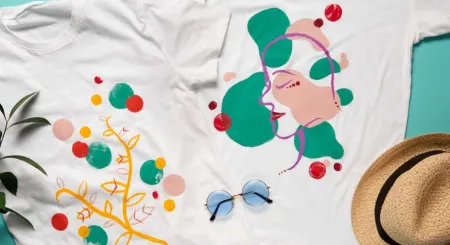
The textile sector certainly offers numerous possibilities and continuous developments. These advancements involve production techniques as well as customization methods like printing. Among these, one of the most renowned and widely used is DTG (Direct-to-Garment), which allows images, lettering, and graphics in general to be transferred onto clothing and other fabric items. Let’s explore how this technique works, what differentiates it from others, and why it is also suitable for fabric packaging.
What is DTG printing and how does it work?
DTG printing operates similarly to standard printing on paper. The difference is that the medium is a t-shirt, sweatshirt, bag, or any other fabric item instead of a sheet of paper. The main steps are as follows:
- First, prepare the printing file: it can be a logo, a photograph, or a colored decoration of any kind, or even a combination of all. Once saved in the correct format, the item to be printed must be prepared;
- To ensure good adhesion and high-quality printing, the fabric must be pretreated by spraying a compound (primer) onto the surface;
- Next, the file and the garment are loaded into the printer, which uses high-definition print heads to imprint the design onto the fabric;
- After a few minutes, the item is ready except for one final step: heat pressing, which fixes the print and enhances its durability over time.
As can be understood, this is a relatively fast process that, when properly executed, guarantees optimal results.
All the advantages of DTG printing for textile customization
Speed is not the only advantage of direct printing on fabric, which stands out among other printing techniques due to its many practical and aesthetic benefits.
Not only garments, but also backpacks, bags, and packaging
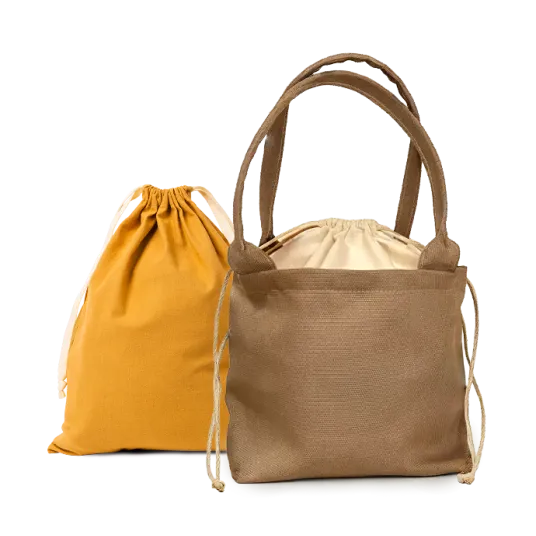
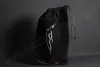
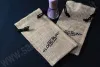
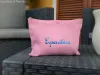
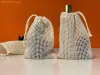
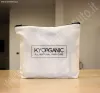
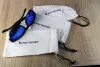
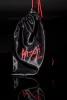
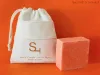
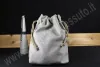
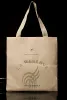
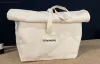
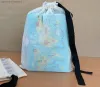
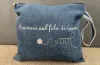
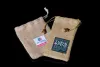
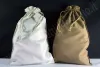
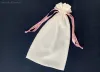
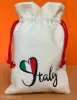
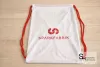
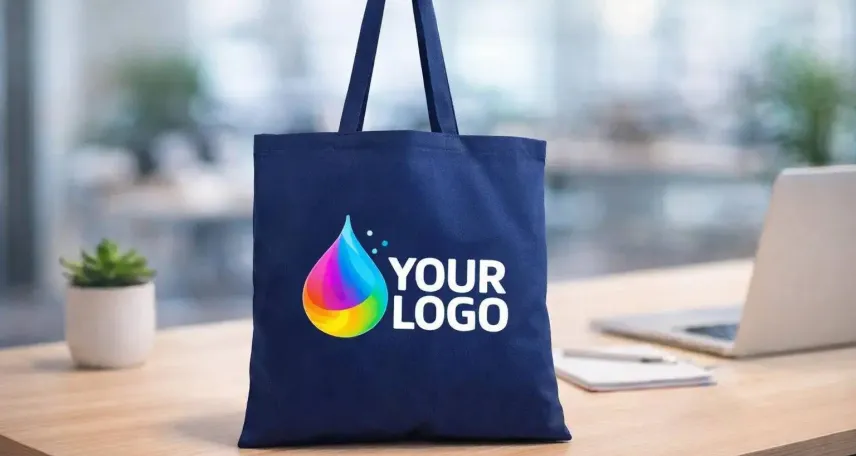
The DTG technique enables customization of various types of garments, such as t-shirts, sweatshirts, trousers, scarves, and even caps. However, it goes beyond apparel: backpacks, bags, and fabric bags (provided they are cotton) can also be processed with this method.
Unmatched photographic quality and finish
DTG printing can transfer any kind of graphic onto fabric but excels in photographic printing. The colors merge with the fibers, producing a smooth effect ideal for realistic, highly detailed images. The result is visually and tactically soft.
Durability and easy care
A DTG print lasts a long time, especially if certain precautions are followed: washing at 30° Celsius and preferably inside out. This helps prevent cracking and wear marks.
Reduced production costs and unlimited printing options
Costs are contained thanks to process automation and reduced ink consumption. Also, there are no limits: you can print a single piece or large quantities, in any color variation.
Differences between DTG and other printing techniques
DTG is not the only technique available. Here are some alternatives:
- Screen printing: a traditional technique that transfers one color at a time via a stencil. Cost-effective and suitable for industrial production;
- Heat transfer printing: uses special transfer paper that releases the design under heat, recommended for light fabrics;
- Foil stamping: involves a screen printing base and the application of a foil sheet for glossy effects (gold, silver).
Among digital techniques is also DTF (Direct-to-Film), which uses a film with heat-activated adhesive powder to transfer graphics onto fabric.
DTF or DTG: which is better for fabric printing?
The answer is: it depends. Both are versatile digital techniques, but with different characteristics.
DTF is ideal for vector graphics and solid colors, while DTG is unmatched for photographic quality.
DTF has faster drying times and is suitable for a wider range of materials (including synthetics), whereas DTG works best on cotton, being more cost-effective and durable over time.
In summary, there is no absolute choice; the best solution depends on the type of customization. Browse our catalog to discover all the fabric printing possibilities and make your packaging truly unique.