





















In questo articolo
Refined and elegant, Jacquard fabric is one of the most sophisticated productions in the textile industry. It is found in table and bedding linens, as well as in high-end clothing. And, of course, in fabric packaging, where it adds an extra touch of class and personality to premium products such as luxury items and delicate or precious objects. Let’s explore together what makes this weaving special, how it originated, and why to choose it for your packaging.
What is the Jacquard technique
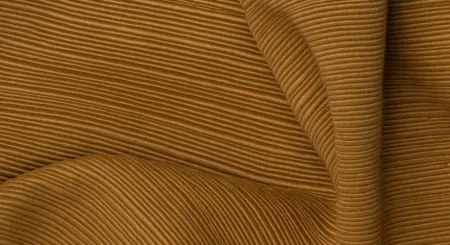
Jacquard fabric is a fabric woven with complex patterns. Woven fabrics differ from plain ones because the warp threads—the structural part of the fabric—are lifted and interlaced with other threads to create a pattern directly in the weave, rather than through subsequent printing or embroidery. Depending on decorative needs, multicolored threads can be used or embossed effects created, with very intricate and detailed designs. Because of the variety and richness of the results, the Jacquard technique is commonly associated with upholstery fabrics or high-end garments.
A bit of history: how the Jacquard technique was born
The Jacquard technique is named after the Frenchman Joseph Marie Jacquard, who in the early 19th century invented a semi-automatic loom capable of weaving thousands of threads simultaneously.
The innovation lies in the integration of the traditional loom with certain elements: a dense series of needles, linked perforated rigid cards, and an automated cylinder for movement. This mechanism regulates the dropping of the needles to create the desired pattern through the holes in the sliding cards on the loom. The logic is similar to certain music boxes, where the melody is created by punched cardboard strips that determine the sound: in the Jacquard weaving process, each row of holes corresponds to a row of the textile pattern.
While woven patterning was known before, Jacquard’s innovation made it possible to embellish fabric in ways previously unthinkable and all with the intervention of a single weaver. His loom was so advanced that one operator could produce up to 50 meters of fabric per day—a productivity that previously required enormous effort and cost. It was a genuine industrial revolution that not only accelerated the process but also significantly expanded the range of possible designs and patterns.
Composition and types of Jacquard fabric
At this point, it is important to clarify: there is no single Jacquard fabric; the term defines a group of fabrics woven with complex patterns.
The Jacquard technique can be applied to a wide range of yarns, which then determine the fabric’s aesthetic appearance and mechanical properties.
Traditionally, this technique has been used to highlight the qualities of noble natural fibers such as silk, linen, hemp, cotton, and wool. The Jacquard weave (that is, the way the threads are interlaced) is particularly effective in emphasizing the surface sheen of yarns like silk satin or mercerized cotton (a treatment that makes the material more luminous).
Synthetic or man-made yarns are also common, such as viscose, nylon, and polyester.
Mixing fibers like cotton, linen, and polyester balances the luxurious appearance and properties of natural fibers with the durability and cost-effectiveness of synthetics.
Jacquard fabrics
Depending on the yarn used and the weave type, different Jacquard fabrics are distinguished, including:
- damask: characterized by using a single thread (often silk or linen) with a visual contrast between the ground weave and the pattern weave (for example, a satin design on a plain weave background). The pattern is generally flat but shiny;
- brocade: formed by multicolored threads (or different yarns) contributing to a single pattern. The design appears raised, as if embroidered. It is often found in cushion coverings, upholstery, and drapes;
- brocatelle: similar to brocade, designed to give an even more pronounced sense of thickness, with clear textures. Brocatelle is often woven with various yarns, including metallic threads, to enhance the richness of the pattern;
- lampas: with two warp systems and at least two weft sets, it represents one of the most sumptuous Jacquard variants, distinguished by rich designs and preciousness (often made in silk satin or taffeta with metallic inserts);
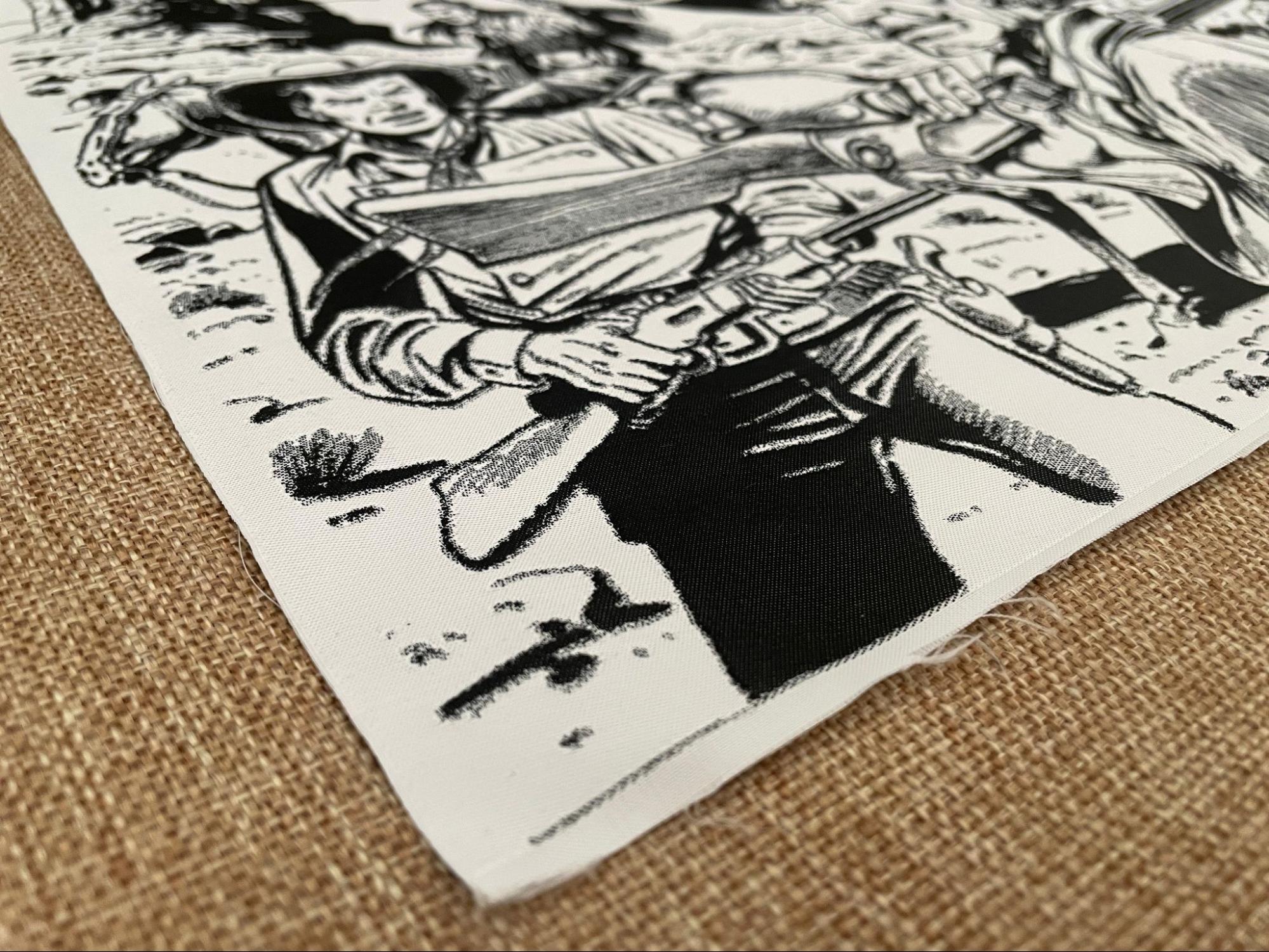
Gobelins: named after the famous tapestry manufacturing house, this type of Jacquard imitates the production of the renowned French tapestries. Very complex weaves produce striking patterns of flowers, historical scenes, and landscapes with a retro flavor.
Characteristics of Jacquard fabric
The characteristics of Jacquard fabrics directly depend on the type of yarn used in their creation. This also concerns durability: to ensure it in the finished product, the raw material must possess sufficient strength to withstand chemical and mechanical stresses during processing and final use. The same applies to abrasion resistance and other fabric qualities. Wool, for example, has excellent recovery capacity and thus is not prone to creases or wear.
Generally, however, the complex structure and tight weave of Jacquard contribute to making the fabric durable and robust.
The mechanical properties of the Jacquard structure also affect the tactile perception, the so-called “hand” of the fabric, and its aesthetic perception. Warp tension, for example, influences the perceived color of the fabric because it affects density and the angle at which surface light is reflected. This means that to achieve a specific color effect, very precise control of this parameter is necessary, making it an important design element.
Jacquard and where to find it: main uses
Because of their appearance and physical qualities, Jacquard fabrics are widely used in many sectors: from home furnishing—where they are employed in upholstery, bed linens, tablecloths and napkins, drapes—to clothing (refined jackets and shirts), and even in luggage. These are fairly thick, resistant fabrics characterized by elaborate patterns that allow designers in various fields to experiment with original designs and effects.
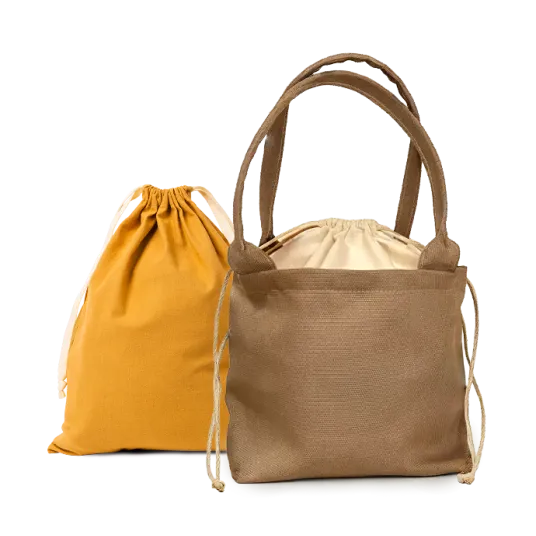
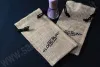
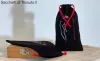
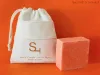
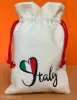
Such as those that can be created on fabric packaging. At Sacchetti di Tessuto, we offer a very wide range of decorative patterns, customizable according to the need and preferred style: simpler or more complex, with modern patterns or scenes with a historical flair, monochrome or multicolored. Entirely Made in Italy, our Jacquard fabric bags have fully custom sizes, graphics, and shapes.
Why choose Jacquard fabric packaging?
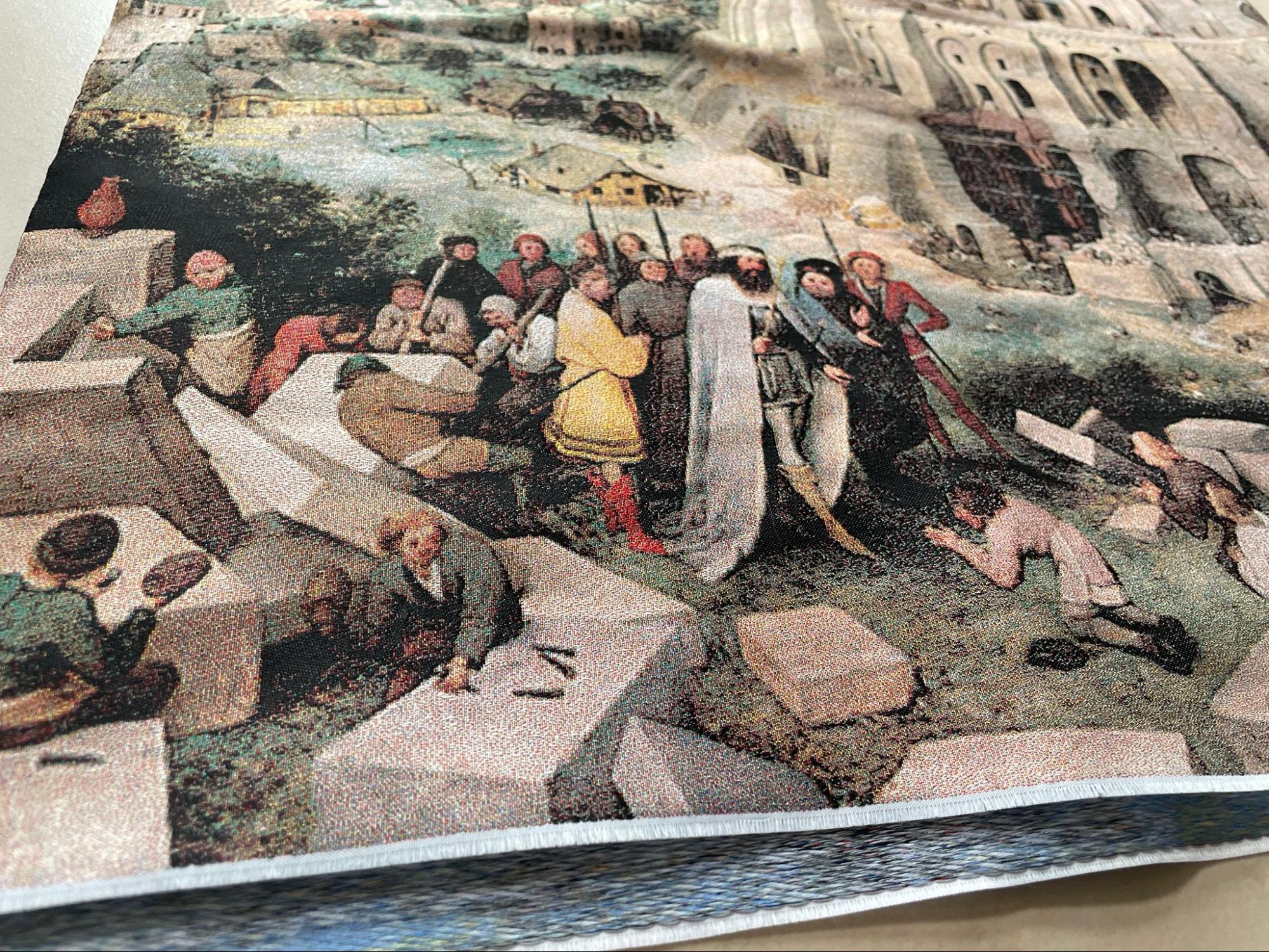
Jacquard fabric is synonymous with opulence and refinement and is therefore ideal for unique or delicate items, such as artisanal footwear. This technique makes it possible to make packaging itself precious, creating an impression of quality and sophistication from the packaging onwards.
Moreover, it puts no limits on creativity: even the most complex decorations can be realized without losing charm or vividness over time.
Finally, as mentioned, it can be produced in various materials, which affects both the final look and costs. Synthetic yarns, for example, can imitate the appearance of natural fibers, tend to be more economical, and resist stains and wear better.
Flexible, durable, and refined, Jacquard fabric adds a touch of style to every product.
How to care for Jacquard fabric
Care and washing of Jacquard fabric depend on the material it is made of. Cotton, silk, wool, viscose, and synthetic fibers react differently to water and temperature, which is why the primary advice is to carefully read the maintenance instructions provided by the manufacturer. As a general rule, barring any exceptions indicated on the label, it is possible to remove fresh stains with a damp cloth, taking care not to rub too hard, which could damage the fibers.
Machine washing is possible with delicate programs and detergents, though hand washing with a light spin is preferable. Dryer use is discouraged, as it can shrink or irreparably damage the fabric’s structure: it is better to lay it flat and allow it to dry naturally, smoothing out wrinkles by hand to restore its shape.
An iron can also be used, but be careful with the temperature and program settings!