



























In questo articolo
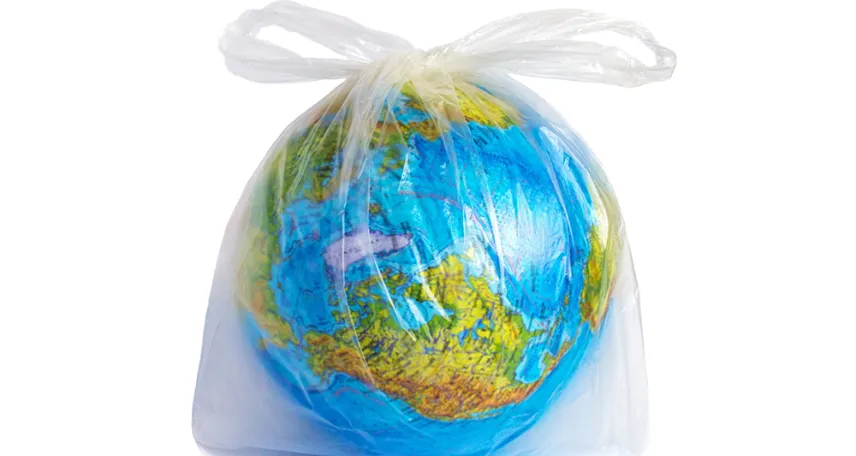
On September 12th, it is the World Day Without Plastic Bags. An initiative started in 2009 by the UK non-profit organization The Marine Conservation Society, dedicated to the conservation of the marine ecosystem. The purpose of this day is to encourage everyone not to accept plastic bags and to use reusable bags to carry purchases.
Let's look into the details of the initiative.
What is the World Day Without Plastic Bags: details of the initiative and why to stop using plastic
For 11 years, September 12th has been dedicated to the International Day Without Plastic Bags, which raises public awareness about the excessive use of this material. The aim of the initiative is to encourage responsible behavior and greater attention to the environmental consequences—and consequently also for humans—of the indiscriminate use of plastic bags.
As reported by the website of the magazine Focus, a plastic bag lost in the environment takes between 10 and 30 years to fully decompose. Also, National Geographic published an article stating that plastic bags are among the top five items found during beach and river clean-up operations. The use of plastic bags has been excessive over the years, and disposal initiatives have been insufficient. The consequence is that plastic is now everywhere: in the water we drink and the air we breathe. The amount of plastic entering the seas every day is extremely high and poses a threat to wildlife, as it is well known that animals ingest plastic materials causing severe, often fatal, damage to sea turtles, dolphins, and whales.
The Project Leader of the Pollution program at MCS, Sue Kinsey, stated: "We hope this fantastic initiative will inspire those who still struggle to give up bags. We need everyone's help to make this day a success. We must demonstrate that it is possible to eliminate a source of plastic pollution, which plagues all landscapes and is a real threat to marine wildlife, through prevention. Even in Canada and Hawaii, some groups and associations will participate in the event to make it a true international day."
Already with the European regulation of November 9, 2016, traditional plastic bags—the classic supermarket shoppers—have been replaced by paper bags or biodegradable and compostable bags, although these last ones do not have zero impact, as they take about a year to decompose if dispersed in the environment. However, it is important that everyone changes habits and commits to avoiding single-use plastic items such as paper cups or small bottles in favor of alternative, more ecological materials.
An alternative to plastic bags? Fabric bags!
When discussing reducing plastic use, one of the first recommendations is to use recyclable bags, preferably made of fabric. Adopting sustainable habits means remembering to leave home with a fabric bag or shopper when going shopping (thus avoiding the need to ask for supermarket bags at the checkout).
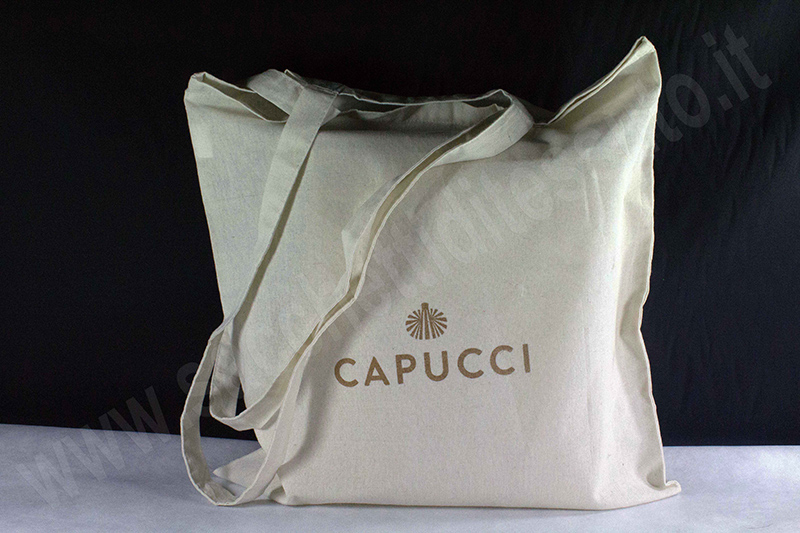
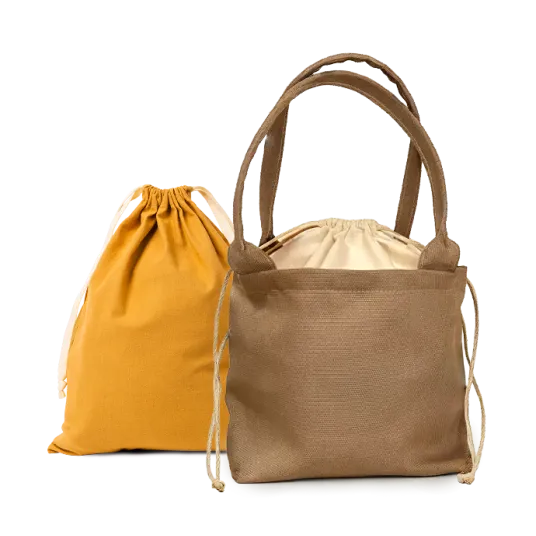
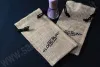
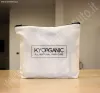
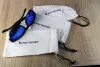
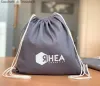
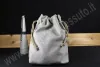
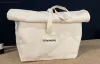
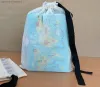
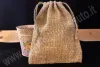
Fabric shoppers are the perfect alternative to single-use plastic because they are made with durable natural fibers, washable, customizable, and recyclable when no longer in good condition. A shopper with an attractive design can also be used as a convenient bag for an outing with friends, while cotton mesh bags can be used for shopping at the greengrocer and in summer as an alternative to the beach bag. Fabric bags are also an excellent substitute for paper bags.
For further reading: 5 reasons to replace paper bags with fabric bags
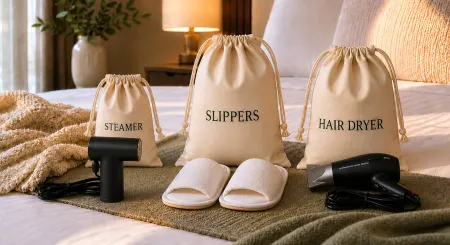
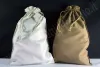
Fabric bags are a type of packaging increasingly requested in many sectors: cosmetics, food, fashion, marketing.
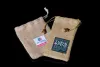
Hemp, bamboo, jute, cotton are all natural fibers with great versatility, ideal for green marketing strategies of companies. Today, consumers ask brands to take a firm stance regarding the environment and expect purchased products to be packaged in ecological and plastic-free packaging. For this reason, more and more companies choose custom fabric bags with their logo or branding images that increase the perceived value of the product.