


















In questo articolo
Every fabric has a story to tell and hides little secrets. We have gathered 10 curiosities you might not have known about the most commonly used fabrics.
1- Jute: an ancient and strong fabric
Jute—also known as Corcoro (from Corchorus Capsularis) and as Calcutta hemp—is a plant originating from the East and is one of the oldest textile fibers in history: its use dates back to the time of the pharaohs!
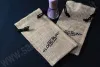
It arrived relatively late in Europe, but it was quickly employed in many different sectors because it has exceptional strength, is fully biodegradable and recyclable, and its cultivation is sustainable. Initially, jute was used in textiles, fishing, construction, and the arms industry; nowadays it is also considered an excellent material for making jute fabric packaging!
2- The timeless fame of cotton
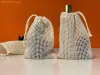
Cotton is one of the oldest and most valued plants of all times. Widely used, it appears in various sectors and every corner of the world. Cotton fabric is natural and boasts exceptional properties: ecological, recyclable, durable, highly absorbent, and lightweight and soft. It is ideal for making sturdy fabric bags.
A curiosity: sometimes there is confusion between cotton wadding and cotton wool, but they are actually two different products. Cotton wadding is a soft and low-density felt composed of frayed cotton scraps, virgin fiber, and cleaned waste, while cotton wool is a product made by processing cotton to make it better suited to absorb water.
3- The turbulent history of hemp
The history of the hemp plant is very ancient and mysterious, dating back about 13,500 years to the times of the Mongols. Although the properties of both the plant and the fabric are exceptional, hemp has acquired a poor reputation over the years. This is because there are various types of hemp plants that differ based on the THC level, the chemical substance responsible for temporarily altering the human nervous system. The species best suited for industrial processing is cannabis sativa, a hemp plant with almost no THC. Despite being frequently opposed in the past, it is now regaining a positive reputation and is beginning to be used in many sectors, including the production of hemp bags for soaps and for footwear.
4 - Bamboo, a symbol plant of the Far East
Developed in the tropical areas of the East, bamboo is a plant that immediately brings to mind Japan and China. It is an evergreen plant and its cultivations are very environmentally sustainable because it can absorb CO2 from the air. However, the same cannot be said for its processing, which requires chemical processes. Fortunately, bamboo fabric fiber offers many qualities such as biodegradability and durability; the fabric is also breathable and recyclable.
5 - Linen: an ancient and versatile fabric
The history of linen is very special—consider that linen fabric was used as bandages for wrapping mummies in Ancient Egypt! Linen has always stood out as one of the oldest, most durable, and ecological fabrics available.
Apart from its use in various sectors such as fashion, packaging, and interior decoration, flax tow is also used to make rope and twine, as well as paper production!
6- The refinement of satin
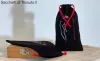
Satin—also known as satin—is a luxurious fabric that originated during the Chinese Song dynasty and was soon exported worldwide to add refinement to precious objects. Satin fabric is easily recognizable because it is glossy, very smooth, and above all shiny. It is highly appreciated in the clothing and accessories sectors, where it is also used to make satin bags intended to hold footwear, clothes, and leather goods.
7- Gros-grain for those seeking durable packaging
Gros-grain—from the French “coarse wool”—is a fabric well known for its strength and stiffness. Initially, it was used only in clothing as a cheaper alternative to silk or wool, later combining with other fabrics such as cotton and silk. Today, it is also used in making accessories like bags, wallets, hats, and in the fabric packaging sector as a decorative element or closure ribbon.
8 - Velvet and nobility
Renowned worldwide thanks to the great skill of Italian artisans, masters in processing this fabric, velvet originated in the 13th century in the East.
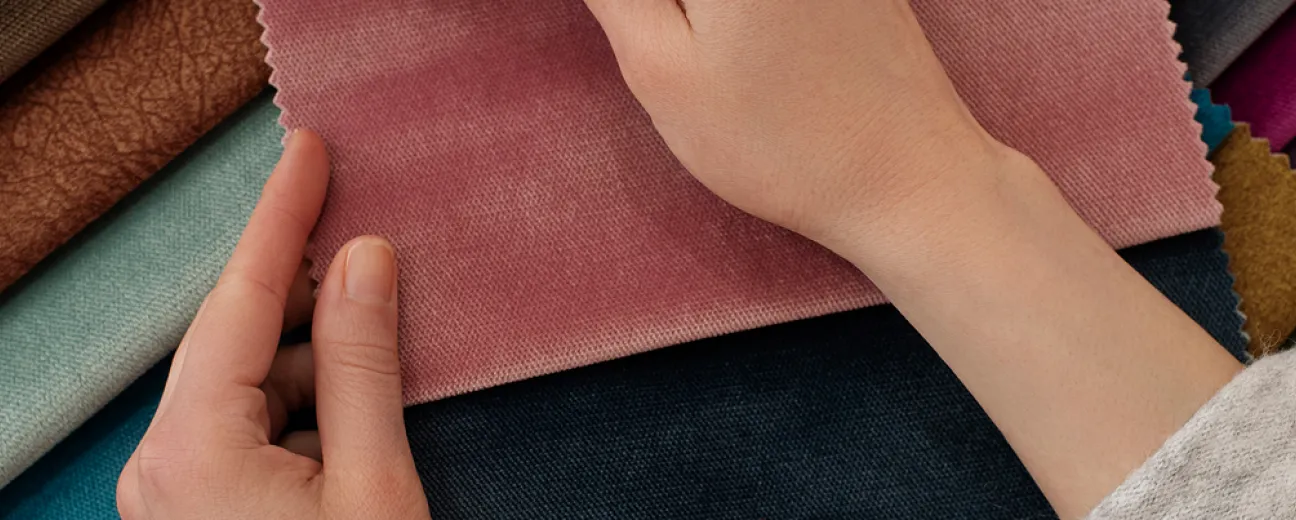
With its bright tones, it has always been a symbol of wealth and nobility, especially from the Renaissance onwards when nobles—and notably the Church—began combining velvet with materials like gold and metal to adorn not only clothing but also upholstery and to convey both luxury and wealth.
Today velvet is widely used as packaging to protect and present bottles and valuable items.
9 - Cotton canvas: more durable than regular cotton
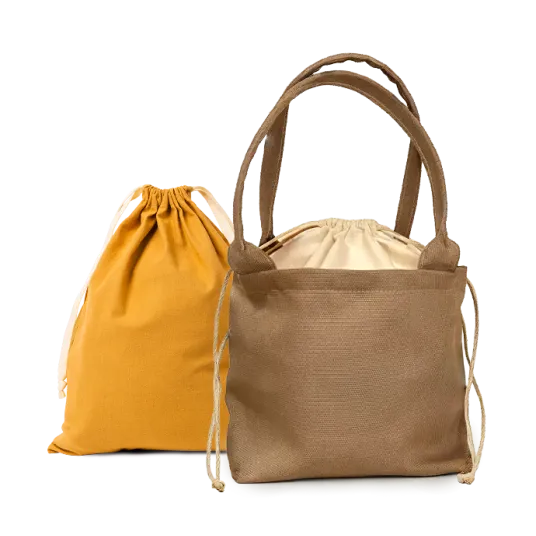
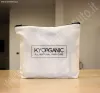
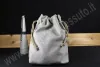
Canvas is a material known for millennia and very versatile that can be combined with cotton or other fibers to create extremely durable fabrics. It has many qualities: it is a natural, ecological, and recyclable fabric, but also hypoallergenic, abrasion-resistant, and economical. It is especially appreciated for its particular durability, making it perfect for several sectors, including packaging to carry and contain objects, such as fabric pouches, for example.
10 - Microfiber: a recent and revolutionary fabric
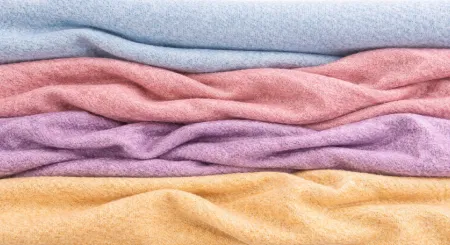
Microfiber is a very recent fabric, and its introduction in the textile processing world was a real revolution: it quickly gained fame for its ability to absorb moisture, collect dirt, and clean far better than any other fabric. It is very versatile and increasingly often microfiber is used to make fabric bags intended to hold, for example, accessories and footwear.
A curiosity: by law, it is not possible to label a fabric as 100% microfiber because it is mandatory also to indicate the name of the polymer it contains, such as polyester.
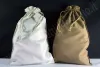
10 fabrics for a single product: fabric bags
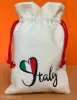
Cotton, hemp, linen, cotton canvas, and all the other fabrics mentioned in this article have one thing in common: they are also used to make fabric bags. A seemingly simple product that is versatile and customizable in many ways and for different sectors, provided the characteristics and properties of each fabric are known. Properly processed to maximize their qualities, fabrics are durable and long-lasting, allowing the creation of bags that are more ecological and sturdy than paper and plastic alternatives.