



























In questo articolo
Screen printing is one of the oldest fabric printing techniques. The word screen printing means writing on silk—from the Latin seri (silk) and Greek γράφειν (gràphein, to write)—and it specifically refers to printing on fabric.
This Eastern technique has its origins in the stencil, a normographic mask that allows faithful reproduction of signs and symbols.
But what does screen printing consist of?
This technique enables the transfer of ink from a frame to the fabric through a penetration process. Each color used is transferred one by one onto the fabric or other materials to be printed.
There is a wide range of ink types, which is why screen printing is the most widely used printing technology in the industrial decoration sector.
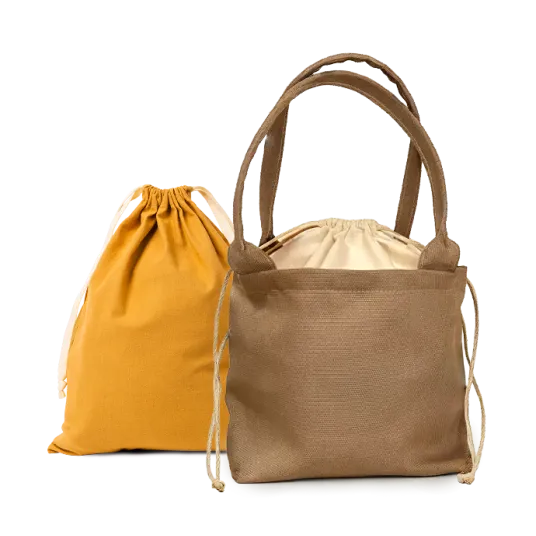
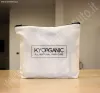
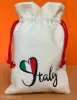
An efficient and economical technique also suitable for fabric packaging to customise the bag with your company logo!
How Screen Printing Works
Screen printing originated as a craftsmanship process. The main elements used are the films or transparencies—with the design to print—the silk-screen printing frames, which are squares of permeable fabric stretched over rigid frames, inks, and an oven.
The technique relies on an impermeabilization process that ensures the ink passes from the frame to the surface underneath. Each color is printed separately. Despite this, it remains a very fast process.
Once printed, the product goes into an oven to firmly fix the inks. The final phase is cleaning: since various inks are used, the procedure may soil the work area. It is therefore essential to keep the printing environment clean before and after the operation to ensure production quality is not compromised.
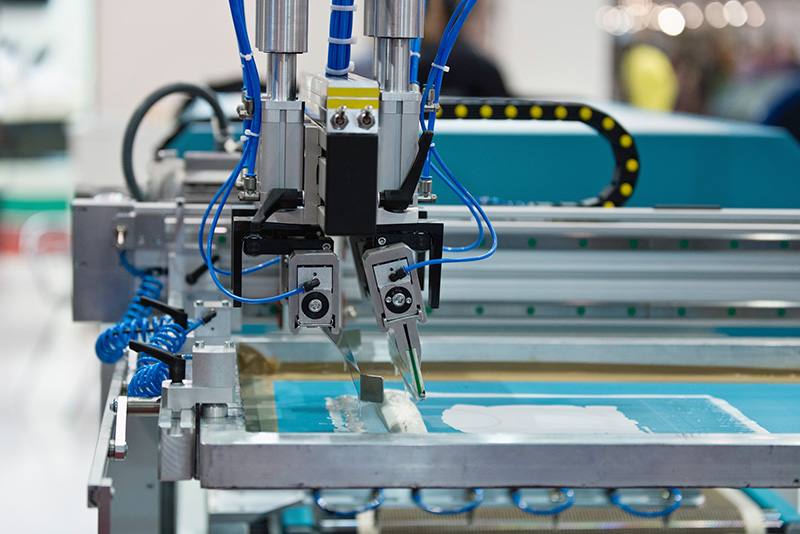
Today, the printing process is well established and allows for rapid production of large fabric quantities with the same design. Automatic machines exist for screen printing: these consist of a squeegee that presses on the frame surface while being dragged. The pressure generated by the squeegee pushes the ink through the fabric, transferring the image onto the printing surface.
Screen Printing: What Techniques Are Used?
There are different types of screen printing, techniques that vary depending on the material to be printed:
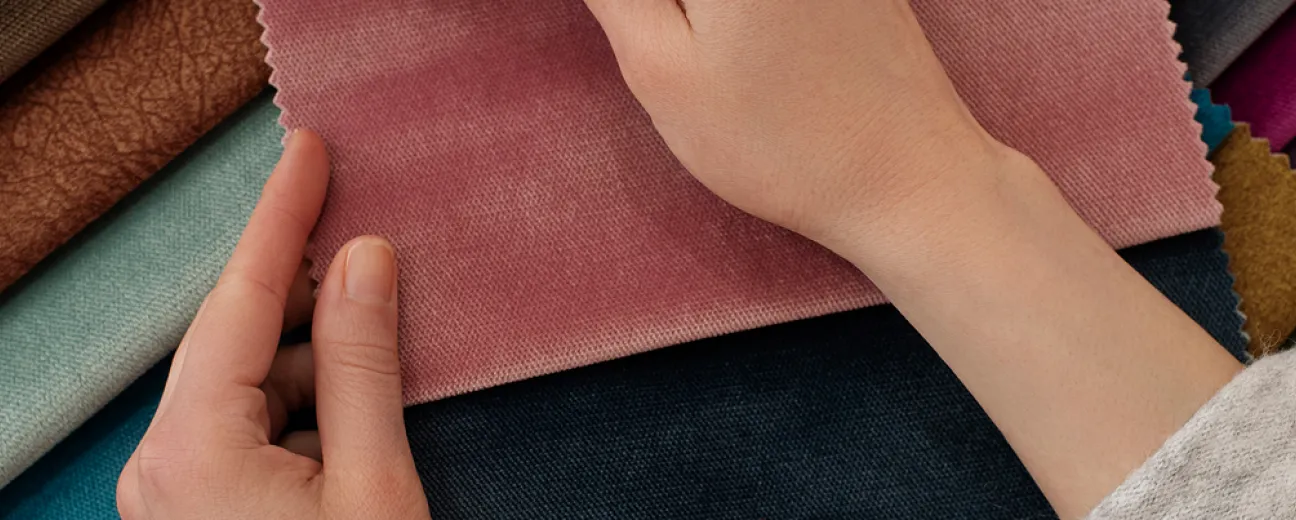
- Textile screen printing is mainly used for printing on garments and fabric packaging. The fabric is chosen based on the ink and the support to be printed on. It used to be silk—the source of the technique’s name—the most commonly used fabric. Since the 1960s, the technique has been extended to other fabrics: wool, cotton, hemp, and linen, as well as synthetic fibers like nylon and polyester.
- Graphic screen printing focuses on producing brands and slogans for advertising purposes, illustrations, charts, or drawings.
- Industrial screen printing is used for marking and decorating certain industrial sectors such as automotive, where it is irreplaceable due to its ability to ensure highly reliable and durable results against chemical agents, abrasion, and external factors. It is also used to print images on various materials: CDs, ceramics, glass, polypropylene, polyethylene, paper, metals, and wood.
The Best Fabrics and Materials for Screen Printing
Screen printing on fabric can be performed on almost any material. As seen, from the graphic to the industrial field, nearly everything can be screen printed. We are accustomed to seeing screen prints on t-shirts, but even bags and shoppers can benefit from this technique to enhance a company’s brand and communicate with style and functionality!
Staying in the textile field, screen printing on silk is certainly one of the oldest arts. This material is used mainly for luxury brands and printing fabrics for special occasions. Today, however, printing on cloth dominates while printing on eco-leather is also growing. Let’s look at this more closely.
Printing on Cloth
Screen printing on fabric can be successfully used on fabrics such as cotton, hemp, linen, wool, and some synthetic fibers like nylon and polyester. You can print logos, text, images, experimenting with various colors and designs. The ideal choice is precise graphics, preferably solid colors, but interesting solutions can also be found for different color combinations.
Printing on Eco-leather
Screen printing can also be done on eco-leather using, of course, inks suitable for the specific material. Here, too, you can customise the fabric by choosing a logo, design, or text to create unique bags tailored to your business type.
Pros and Cons of Printing on Fabrics
Screen printing is a technique that offers many advantages, the first being that it is an affordable method applicable to any type of material and fabric, but there are other benefits:
- vivid colors are achieved regardless of the fabric or the color of the logo or image you want to print;
- it can be used for both small and large print runs because the printing process is always very fast, so increasing the quantity of fabric items to be screen printed does not lengthen production times;
- the prints are always very precise and accurate, whether it is a design, phrase, or logo.
However, screen printing also has some limitations: to truly be considered an economical technique, it must be used when the quantities of products to customise are large. Moreover, if you want to replicate a photo, drawing, or very small logo, screen printing is not the most suitable technique because it is imprecise: transferring multiple colors and lines from the frame to fabric makes image transposition more complex and the print quality imperfect.
Screen Printing: Why Choose Sacchetti di Tessuto?
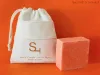
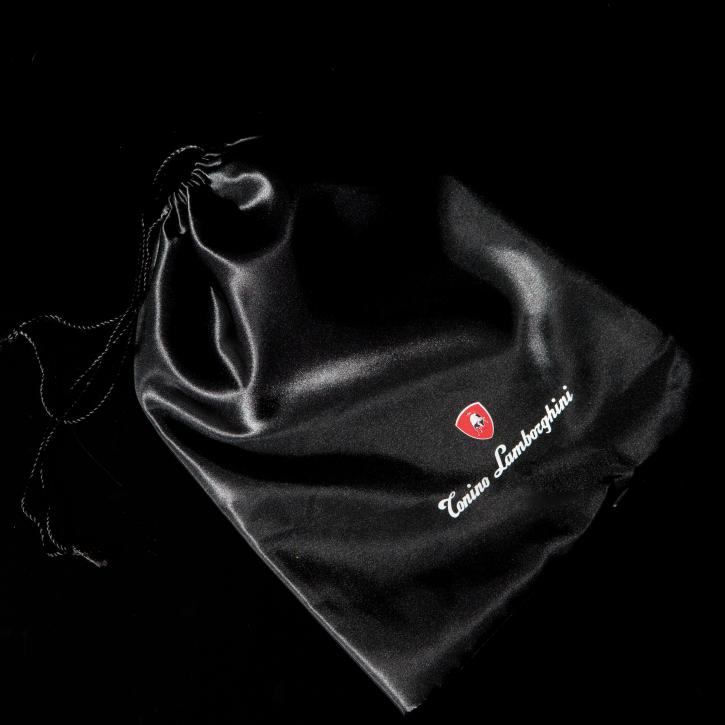
Thanks to screen printing, you can customise your cotton shoppers or eco-leather bags—and other materials—as you wish and use them in various ways.
For example, you can:
- offer bags to your customers with every in-store purchase;
- create shoppers to contain gifts (such as Christmas and corporate gifts) and promotional materials for campaigns;
- customise bags and pouches for events, trade shows, or openings.
Additionally, large companies in specific sectors can use bags for:
- luxury packaging of jewelry, costume jewelry, perfumes;
- protecting clothing, footwear, or accessories;
- storing cosmetics.
At Sacchetti di Tessuto, we support you through all stages of your bag production and customise it according to your needs. We use only the best fabrics available, Made in Italy, to produce flawless products with fast deliveries. Browse our catalogue to learn more!