









































In questo articolo
Ecopelle is a relatively recent material used in various fields, from clothing to packaging. Many think it is an artificial product, but in fact the prefix "eco" only indicates the type of treatment.
In this article, we will clarify what ecopelle is, starting from its origins, exploring the different types, the differences with classic leather, faux leather, and synthetic leather, and how this product is used.
The history of ecopelle
The term ecopelle has been in use since the early 1990s. According to Treccani, ecopelle is defined as “designating an artificial material resembling leather, produced with synthetic polymers derived from petroleum.”
However, this description has been further refined over time, emphasizing that ecopelle refers to “animal leather tanned through a processing method respectful of the environmental balance.”
This means that ecopelle is not a synthetic material but animal leather processed ecologically, with complete respect for the environment and using non-polluting methods. This is established by the UNI 11427:2011 regulation “Cuoio - Criteria for defining the performance characteristics of leather with reduced environmental impact” from 2022, which sets the parameters for environmentally friendly tanning processes.
Trivia about ecopelle
Reading the ecopelle definition by Treccani also reveals why clarifying the prefix “eco” was necessary. For a long time, it was thought that "eco" was synonymous with ecological product, while at the time it actually referred to the product’s economic aspect.
Ecopelle processing
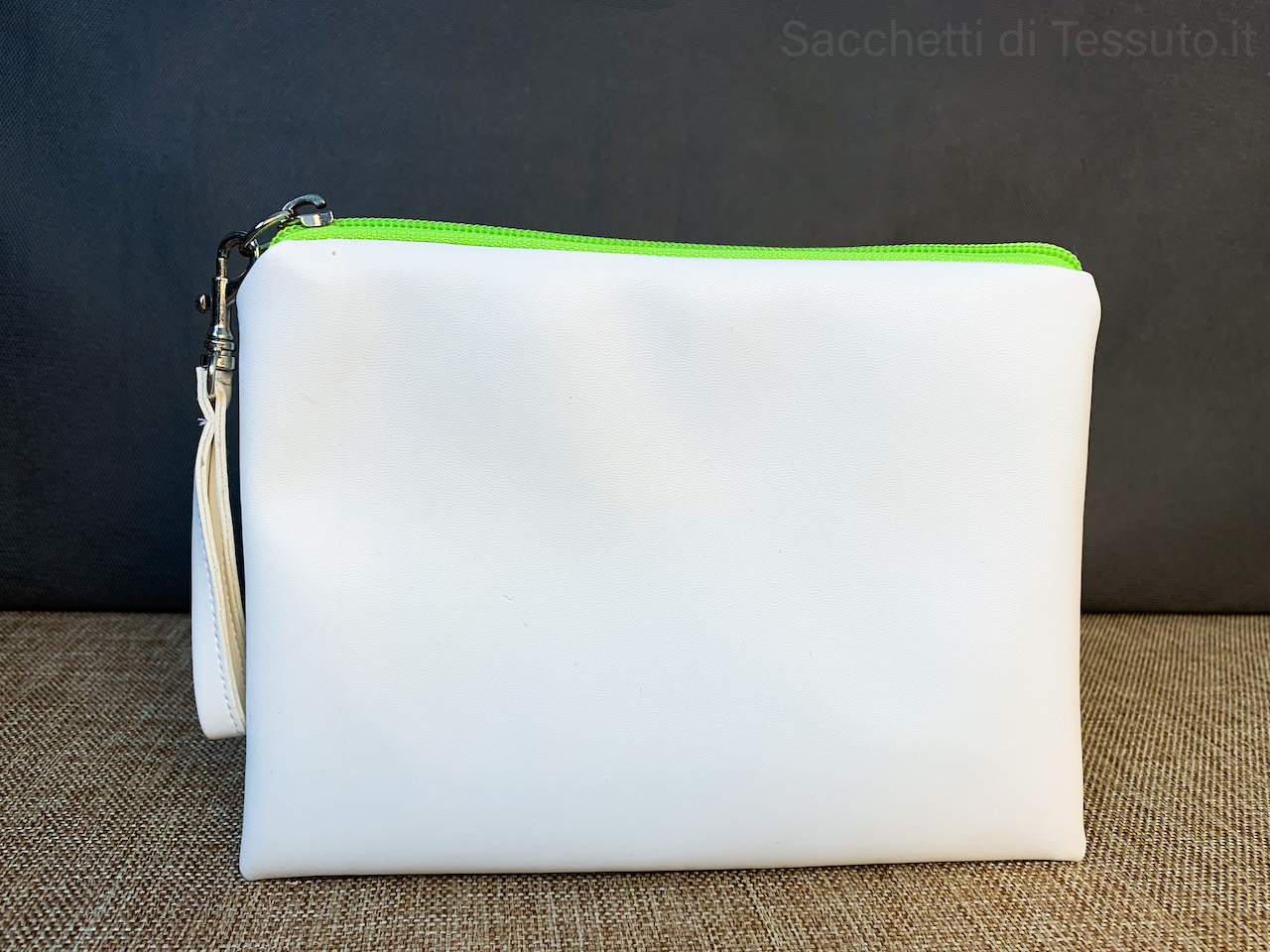
Tanning is the process used to work both leather and ecopelle. What does it involve? It is an ancient method used to stop the natural decomposition of animal hide through various techniques. In medieval and prehistoric times, for example, the leather was soaked with plant substances (mainly tree tannins) or dried using the smoke from burnt leaves.
In the modern era, plant substances have been replaced by compounds derived from aluminum, but especially chromium, favored by large industries and tanneries because it speeds up the tanning process without increasing costs (although it has a detrimental environmental impact).
Ecopelle regulations
The regulation UNI 11427:2011 — as mentioned — defines the term ecopelle to protect consumers and establishes the permitted tanning methods.
Specifically, the standard sets:
- limits on chemical substances used in the tanning process;
- restrictions on water consumption, chemicals, and waste produced;
- minimum worker safety standards.
Cleaning and care
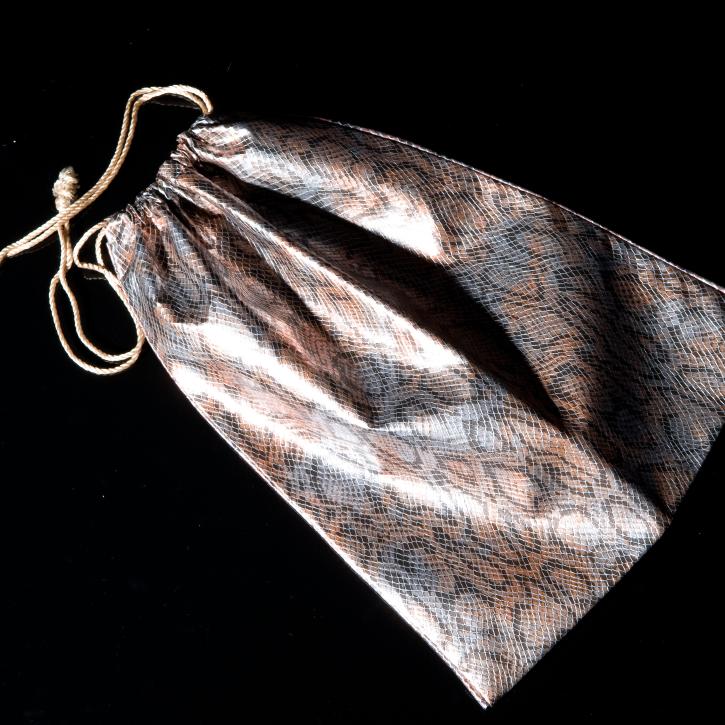
Ecopelle should be cleaned carefully and gently. Usually, using a soft, damp cloth on the surface is sufficient for good results. A mild soap can be used for persistent stains, taking care not to rub the stain too hard.
For proper maintenance, avoid chemical and harsh products that can damage the material. Also, machine washing is not recommended.
Ecopelle: what types are there?
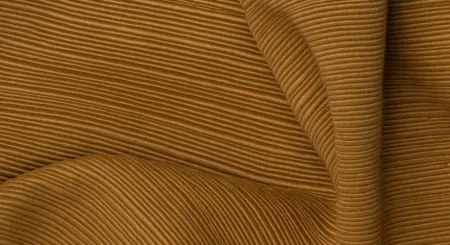
To the eye, ecopelle looks very similar to real leather but is characterized by uneven color, natural markings on the material, and small imperfections.
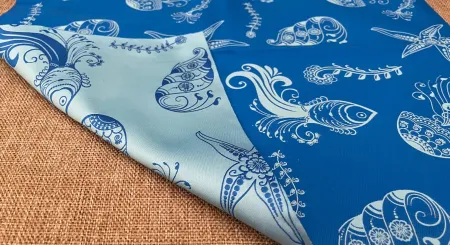
Lastly, ecopelle is a versatile fabric that can be dyed in different shades and even printed on. The varieties of colors and prints are truly numerous. Moreover, this material is long-lasting.
Faux leather or synthetic leather: the alternative to ecopelle
Those seeking a solution comparable to ecopelle — but not derived from animals (thus cruelty-free) — can opt for faux leather or synthetic leather.
This is a synthetic material obtained by combining plastic elements (usually polyurethane - PU) and fabric (such as cotton). Specifically, the fabric is coated with a thin layer of plastic material into which creases are embossed during production to recreate the appearance of genuine leather.
Visually, faux leather resembles both ecopelle and real leather. Additionally, the fabric is:
- soft and delicate to the touch;
- manageable;
- easy to clean;
- durable.
It is also worth noting that for faux leather, distributors can be chosen who guarantee sustainable production methods environmentally and ensure respect for workers.
Uses of ecopelle and synthetic leather
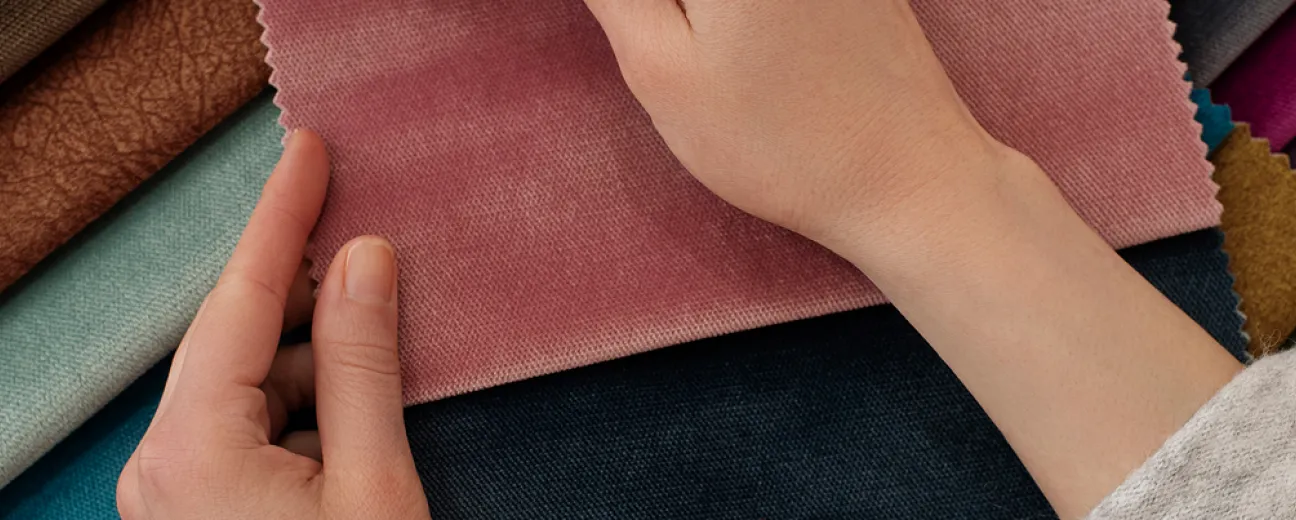
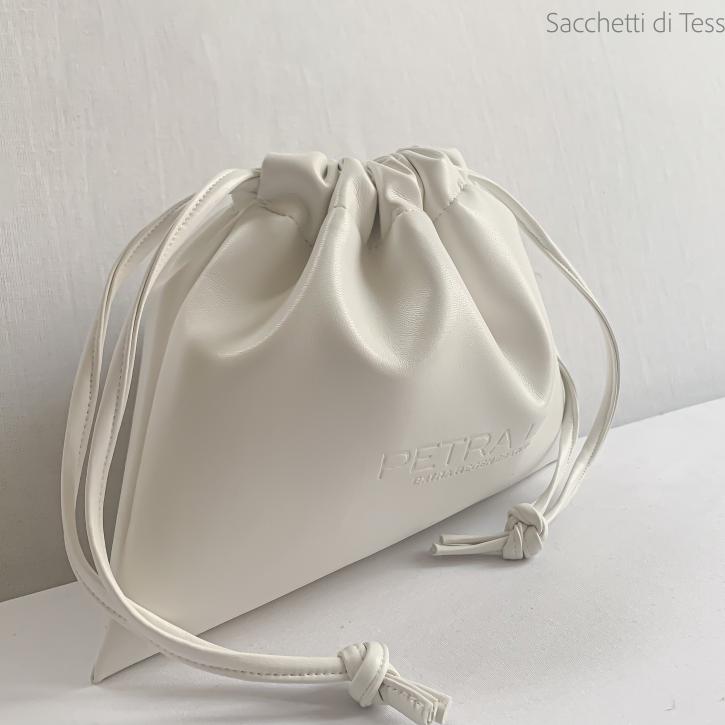
Ecopelle and synthetic leather (or faux leather) can be used in various sectors, from sustainable fashion companies to packaging. In clothing especially, ecopelle is often used for inserts in dresses, trousers, and sweaters or for creating accessories such as bags and belts. The material is so versatile that it is also often found in furniture, particularly for upholstering sofas and armchairs.
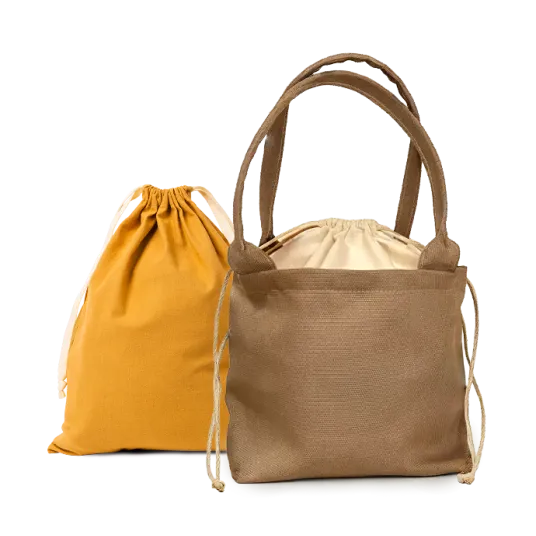
Regarding packaging, one can invest in or fine jewelry, customizing both color and prints. Faux leather bags are frequently used in luxury packaging to safeguard valuable items (such as shoes, accessories, cosmetics, perfumes) even for major brands.
Not only synthetic leather and faux leather: at Sacchetti di Tessuto, we produce products of various shapes and colors, fully customized, selecting the best sustainable materials to respect the environment.
Discover our catalog!