







In questo articolo
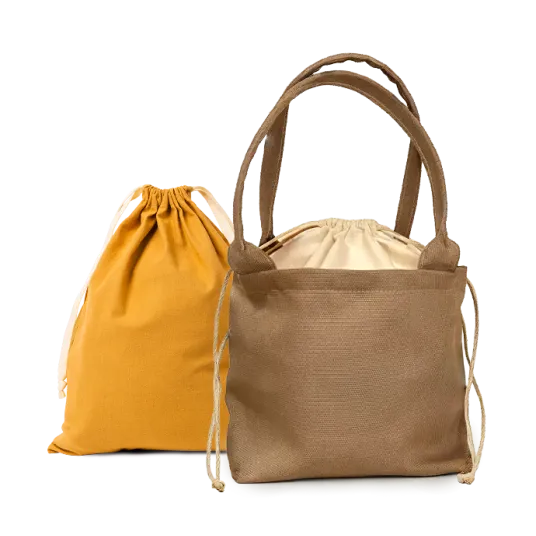
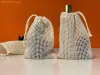
The demand for fabric packaging has increased in recent years, driven also by consumer expectations. Indeed, the number of customers choosing green packaging—more sustainable than common paper bags, which are also less durable, and plastic ones, which are more polluting—is growing, and they do not settle for simple containers. They seek customised solutions. This is why fabric bags are gaining great popularity and, alongside, new techniques to personalise them are constantly emerging, including embroidery.
Embroidery: a personalisation with an ancient flavour but a very modern finish
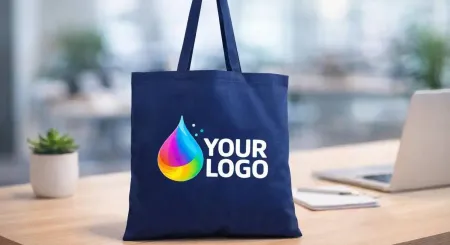
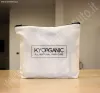
Any sector can use fabric bags as packaging, and every company can customise them with their own logo, graphic, or slogan to make their products immediately recognizable: whether they are jewelry, cosmetics, food, or clothing.
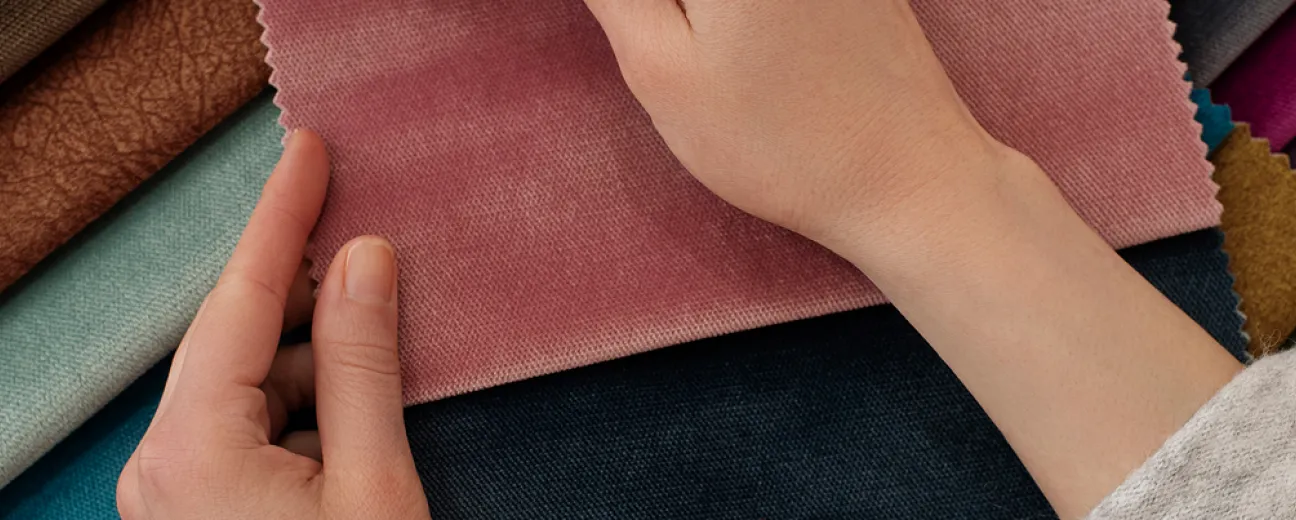
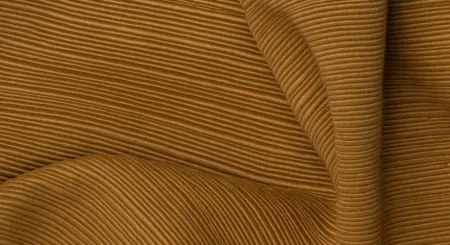
Thanks also to continuous technological development, today it is possible to work with all types of fabrics—from satin to gros-grain, from cotton to hemp—and create packaging suited to all needs: for supermarket shopping, retail shopping, or to store and transport items.
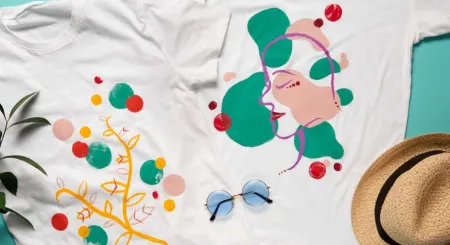
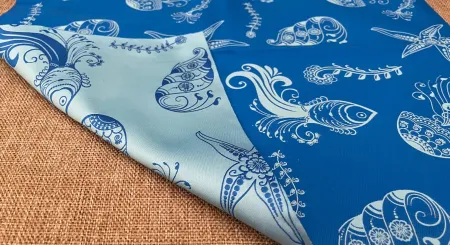
Printing techniques have also been refined. Among the most used are screen printing and hot foil stamping, but not everyone knows that besides these, there is another technique used for centuries to create designs on fabrics: embroidery!
Why personalise fabric bags with embroidery?
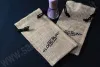
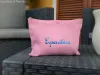
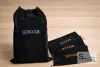
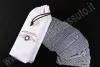
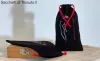
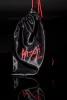
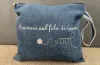
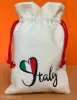
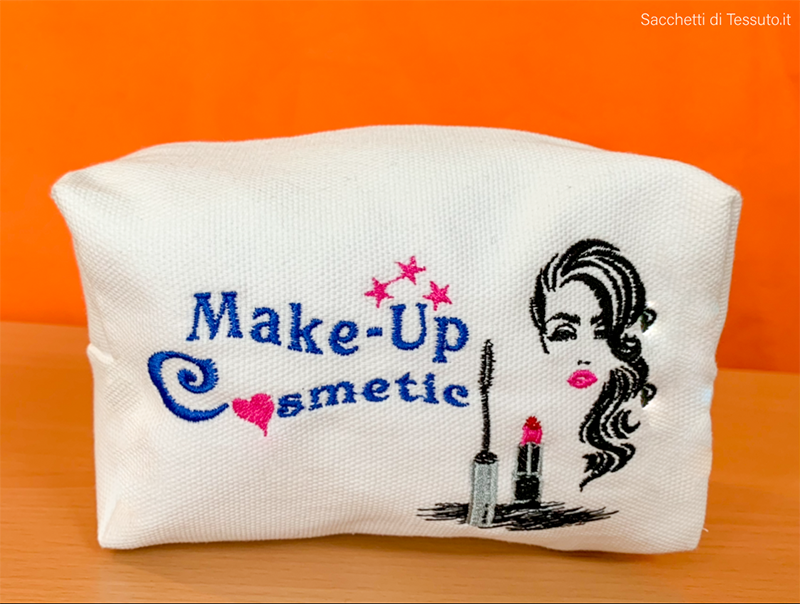
Personalisation with embroidery consists of stitching graphics and text directly onto the fabric of the bag. Although screen printing and hot stamping techniques have evolved to transfer sharp, durable images onto fabric, embroidery is much longer-lasting: it withstands frequent washing very well, can be ironed, and has a distinctive finish. The cost of this technique is higher than regular printing precisely because, beyond durability, it gives the bag a more elegant and refined appearance, both visually and to the touch.
Embroidered fabric bags deliver an elegant final result and suit sectors such as cosmetics, luxury, and also organic e-commerce wishing to offer customers high-end products packaged in sumptuous fabric cases.
How to embroider a graphic on fabrics
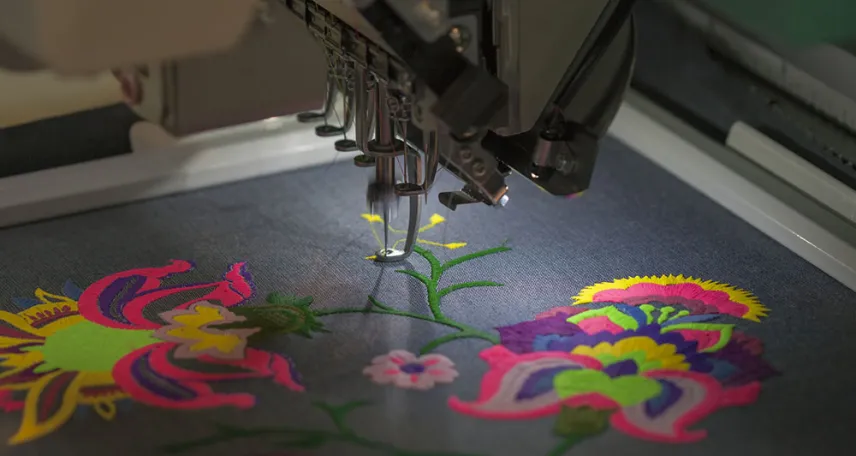
Embroidery on fabric can be done by direct technique—the graphic is reproduced by stitching threads directly into the material—but also through laser processing, a special technique combining modern embroidery production with laser cutting or engraving technology.
Today, unlike in the past, the embroidery process is automatic and carried out by computerized machines that transform the digitized image into embroidery: the file containing the logo is loaded into software that instructs the machine what and how to sew.
Printing or embroidery: which to choose?
It depends on the needs and the number of bags to be personalised. For example, screen printing is more suitable when a very high number of bags need to be customised, whereas embroidery, which is more costly, might be used for bags intended for special uses and in small quantities.
Fabric bags: full customisation
Fabric bags are very versatile and can be personalised to always align with the sector, brand, and purpose for which they will be used.
Customisation is comprehensive and includes:
- dimensions: the bag can be more or less spacious depending on the sector and brand, but especially according to the item it must contain;
- colours: they can vary based on the time of year, the brand, or coordinated with the logo to be printed or embroidered;
- fabrics: they can be natural, synthetic, blended, or recycled;
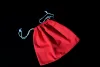
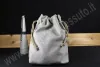
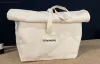
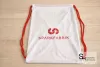
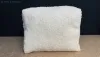
- closure: it can be candy-style, drawstring, or zip;
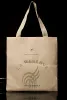
- handle: short, long, crossbody, or none;
- graphic technique: embroidery or printing of designs, lettering, or logos
Looking for made-to-measure fabric bags for your brand?
We specialise in producing packaging in fabric and create 100% Made in Italy solutions suitable for many different markets, fulfilling any request with passion and technical expertise.
Our projects are continuously expanding because we are always searching for new materials and printing techniques to design original and customisable products to offer our clients.
See our catalogue!