






























In questo articolo
Canvas is a very versatile material, known for millennia and combined with cotton or other fibers to create extremely durable fabrics!
As early as around 3000 BC, it was mainly used for making sails, tents, or outdoor shelters because it is a fabric resistant to tearing and long-lasting.
Although generally produced with various fibers, it is with cotton that you can obtain a truly impeccable fabric: cotton canvas.
Uses of cotton canvas
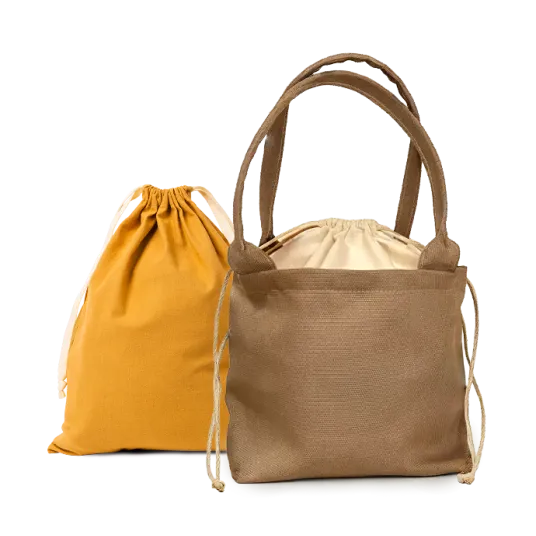
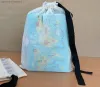
Thanks to its most distinctive characteristic, robustness, cotton canvas is widely used in the manufacture of backpacks, bags, motorcycle jackets, shoes, and other accessories requiring a strong and durable finish.
In particular, it is used for:
- clothing;
- shoppers for supermarket shopping;
- as embroidery backing;
- upholstery (furnishings, curtains, and home decorations);
- other decorative projects.
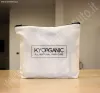
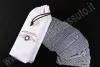
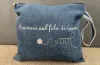
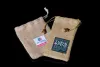
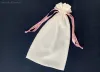
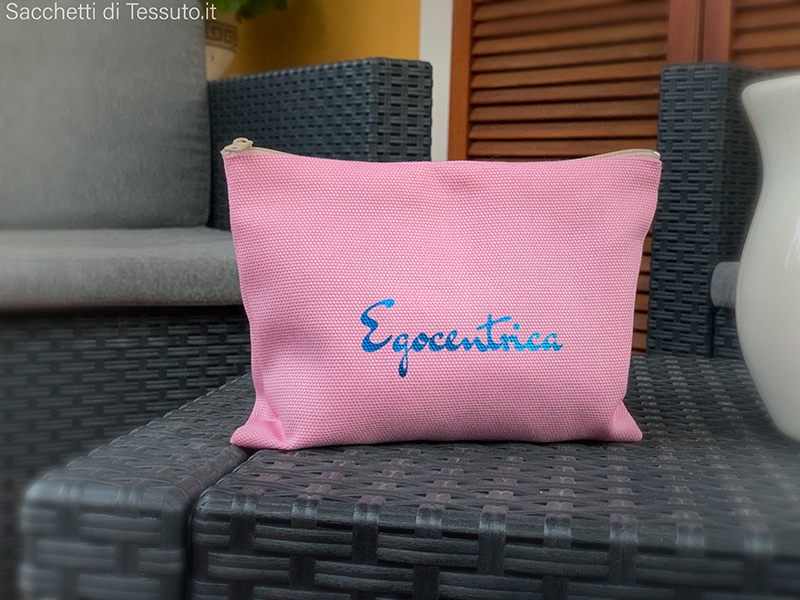
Moreover, cotton canvas is also used as fabric packaging in a very specific sector, namely cosmetics. Although very durable, it can be processed to acquire a very attractive appearance. It is precisely by using cotton canvas that elegant and refined cosmetic pouches are made, like this pink cosmetic and cream pouch, or this makeup bag in 100% natural cotton.
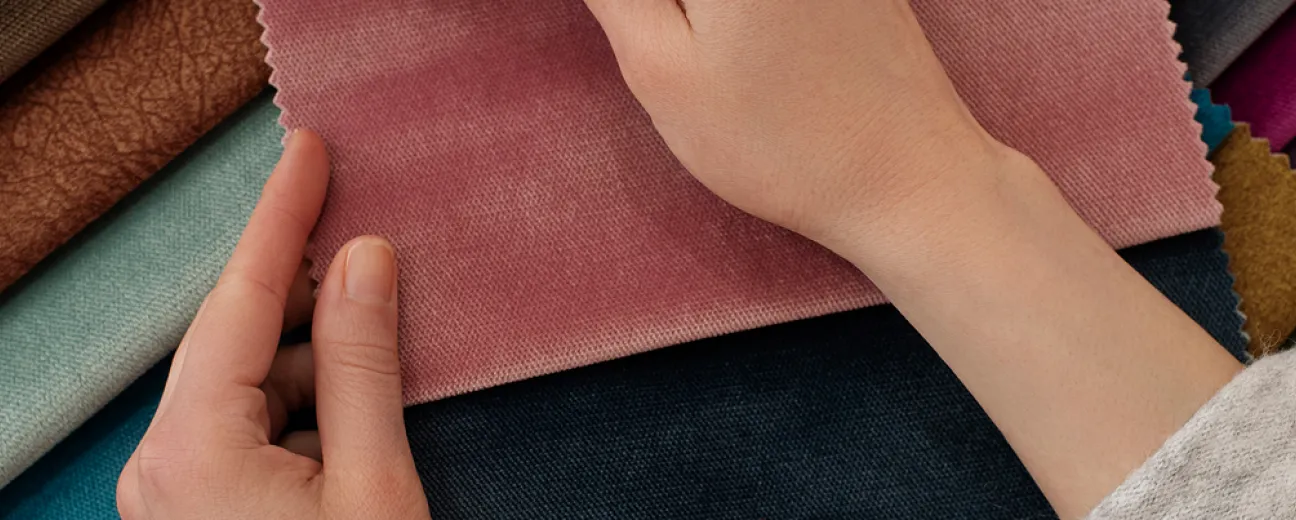
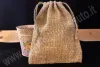
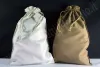
Cotton canvas can be found in various colors to meet each client’s needs, and its heavy, robust composition makes it suitable for travel pouches, standing out from lighter fabrics that may tear more easily.
Processing and washing of the fabric
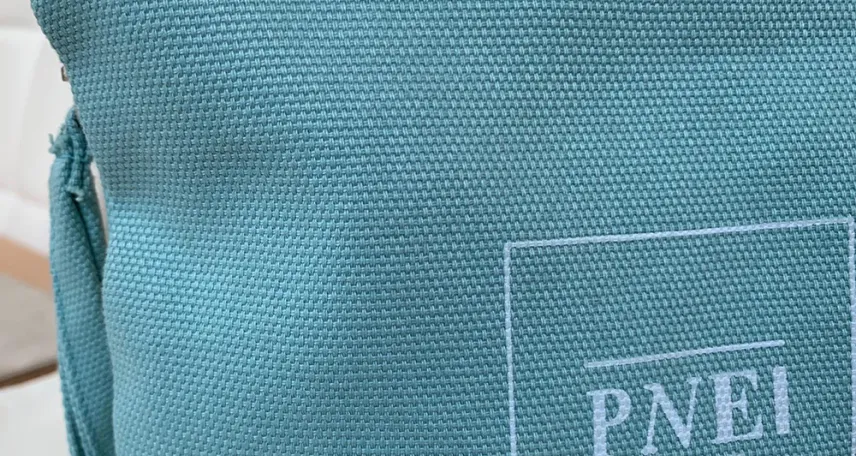
Cotton canvas is a very durable version of cotton and is woven with twisted yarns in both warp and weft to provide greater strength and resilience.
The first jeans were actually sewn using this fabric!
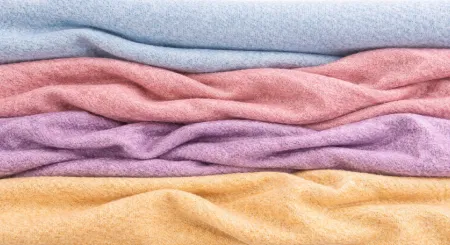
When cotton is spun together with other fibers, melange cotton is obtained: produced by blending natural mixed yarns and mainly used for packaging natural cosmetics, fragrances, and organic products.
Canvas is generally cotton but can also be produced with hemp, jute, or flax.
It is preferable to wash cotton canvas fabrics at 30°. A tumble dryer can be used and the fabric should be ironed with a hot steam iron.
Why choose cotton canvas over other fabrics?
Cotton canvas is a natural, ecological, and recyclable fabric known especially for its particular strength, ideal for carrying both delicate and heavy items without risking damage or fabric tearing.
- it is a heavy material;
- it has high absorption properties;
- it is breathable and permeable to air;
- it is abrasion-resistant and cost-effective;
- it is hypoallergenic.
Curiosity: the difference between cotton canvas and TNT
Cotton canvas is now well-known and widely used in packaging, including for supermarket shoppers. It is an ecological and stronger alternative to classic Non-Woven Fabric (TNT). The latter is an industrial product obtained by processes other than weaving and is more polluting because it is based on plastic and other synthetic materials.