








































In questo articolo
Turmeric, saffron, henna, as well as rosemary, bay leaves and aromatic herbs are not only ingredients for delicious dishes in the kitchen but also some of the most well-known bases for naturally dyeing textiles. The world of color on fabric has many shades and facets, as well as a millenary history, yet in recent years — which have seen growing attention to sustainability — one of the most explored aspects has been precisely natural dyes.
Extracts or powders can be obtained from many different plants, flowers, leaves, peels, barks, fruits or roots and, depending on the fabric we want to dye, a different color will emerge. It is important to emphasize that natural dyeing works only on natural fibers such as cotton, hemp, wool and linen. Moreover, it does not allow for bright and intense colors like synthetic dyes, nor the same performance on large volumes.
These are the reasons why few industrial realities have opted for natural dyeing on their products, but those who want to focus on sustainability and craftsmanship could make this an element of customization and, therefore, a strength!
Natural dyes: choosing the right fabrics
Before delving into the types of natural dyes for textiles, it is important to consider which fabrics are suitable. As we anticipated, this technique works only on natural fibers of vegetable origin in their natural state. So, a fabric of cotton, wool or even white or cream linen is perfect for experimenting with colors this way. Conversely, if there is a percentage of synthetic fiber, it will not be possible to dye the textile because the fibers will not absorb the color.
It is equally important to know that a bath of turmeric, for example, will not produce the same yellow on different fabrics. A characteristic of natural dyes is precisely that each type of fiber reacts differently: wool might absorb a lot of color and result in a bright yellow, while hemp yields a very pale yellow. This is the fun part of natural dyes! Therefore, we suggest anyone who wants to experiment to first dye swatches of various fiber fabrics and observe the results!
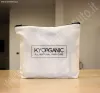
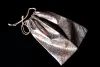
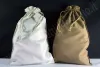
Here is the result of natural dyeing on cotton: a pouch in heavy cotton canvas, in gray color.

Before dyeing textiles, there is also a stage not to be forgotten called "mordanting". Its purpose is to prepare the fibers to receive colored pigments. There are different approaches to this preparation: some soak the fabric for a whole night in a solution of water and cream of tartar, while others prefer to simmer the fabric in water with coarse salt. In any case, mordanting is recommended for all types of natural fabrics we want to dye because it allows the color to adhere and enables us to obtain our colored fabric as we imagine!
Types of natural dyes
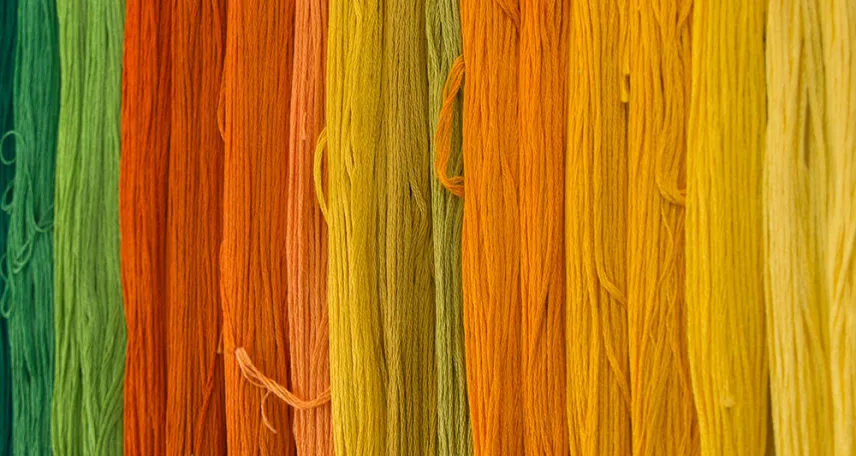
Many plants, herbs, spices and vegetables can be used to dye textiles, with just as many shades achievable. But it is important to remember that not all colors can be made naturally. It is no coincidence that historically blue was considered a noble dye, because it was very difficult to find indigo in nature to obtain this color. Reds, yellows and greens were much more common.
Here are some examples of natural elements used to obtain common colors:
- red from Rubia Tinctorum (madder), Ceasalpina Brasiliensis, Carthamus tinctorium (safflower) and Bixa orellana;
- yellow from dyer's chamomile, broom, mulberry, birch, turmeric or even Reseda luteola;
- orange from calendula, tagetes or Coreopsis, from henna;
- brown from various barks, walnut, chestnut, pomegranate or oak galls;
- green from spinach, nettles, some leaves such as bay, birch, chestnut or walnut;
- purple from blueberries or camp wood;
- blue from indigo.
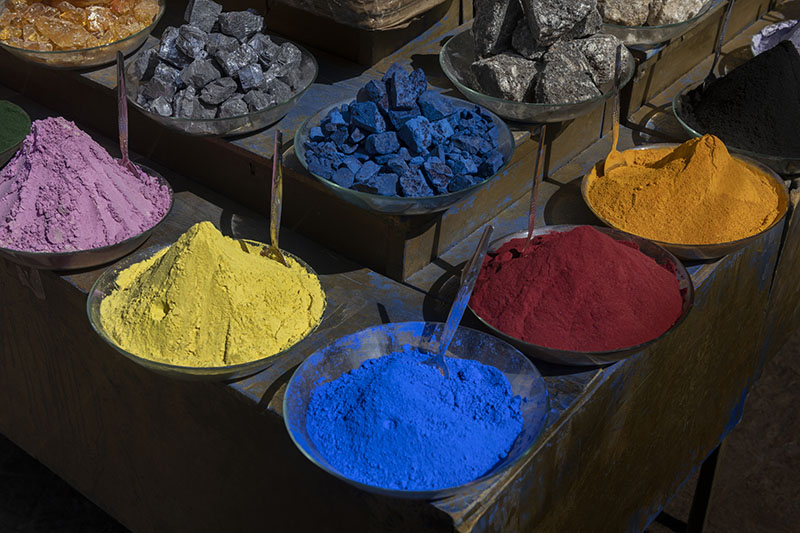
Creative individuals can certainly experiment with natural dyes directly from herbs, but there are also extracts and powders available on the market made from the same ingredients and ready for use. In particular, we can choose the solution most suitable for our needs among three options:
- direct dyes which dissolve in water and dye the fiber directly;
- mordant dyes which require a fixative that, dissolved in water together with the dye plant and fabric, allows the color to bond to the fiber;
- vat dyes which must undergo a chemical reduction process in alkaline conditions in order to dissolve in water and then dye the fabric.
Can natural dyeing be used in an industrial context?
It is natural to wonder if this type of dyeing can also be used by brands or commercial or industrial realities, even small ones. The entire process is longer compared to synthetic dyes, the colorfastness and light resistance are lower, and the color uniformity is less consistent. For example, it should not surprise us if the color does not appear uniform or identical across the entire fabric we have dyed.
These elements mean that, to date, few companies have chosen natural dyeing for their products, but this could be the right path for small, environmentally conscious businesses. Even color imperfections highlight craftsmanship and can turn a potential flaw into added value for the fabric.
To achieve truly sustainable natural dyeing, however, it is important to use a natural mordant. As explained, some direct dyes need only water to dye the fiber, but most require an additional step to fix the color. There are different types of mordants: sodium chloride, or common table salt, and diluted acetic acid, i.e., vinegar, are natural and do not pose wastewater disposal problems. Conversely, when using substances such as potassium bichromate, stannous chloride, copper sulfate or iron sulfate, it should be considered that these contaminate the water used for dyeing and therefore must be treated so as not to be polluting.
We know that for consumers sustainability is a priority, which is why it is important to monitor every stage of the production chain and, in the case of natural dyes, to make choices that respect the environment at every step. Herbs, peels, barks and sometimes even waste materials are perfect for green dyeing, as long as the environment where they grow is also respected.