















In questo articolo
Gros-grain is a fabric whose name comes from French and means coarse grain.
For many centuries, gros-grain, known for its distinctive appearance and manufacturing technique, has been used as reinforcement and decoration on garments to provide greater refinement and elegance.
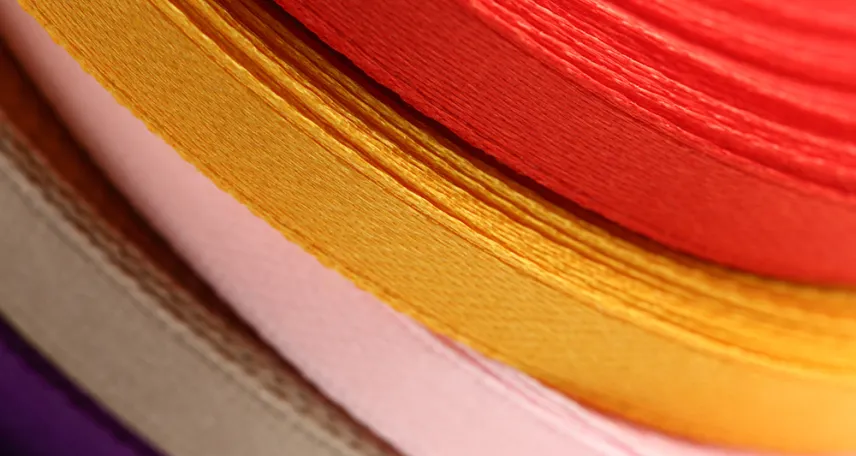
Produced as ribbon in various widths, it is used in tailoring for reinforcement finishes and trims. When made as fabric, it is suitable for women's clothing and is used for dresses, skirts, jackets, or to make bows.
The history of gros-grain and its uses
Before the introduction of synthetic fibers in textiles, gros-grain was mainly made of silk or rayon (a semi-artificial textile fiber obtained from cellulose through chemical processes). Throughout the 17th century, gros-grain fabric was used almost exclusively in clothing as a more affordable alternative to silk or wool, for waistcoats, jackets, slips, bodices, cuffs, vests, and many other garment items.
In the 19th century, American factories also began producing silk gros-grain.
During the 1920s, the fabric started to be used less in clothing and more as a decorative ribbon for accessories and garments, expanding the availability of colors and printed patterns.
The first military seat belts during World War II were made of gros-grain from hemp, jute, and linen.
Manufacturing of gros-grain
Gros-grain is a solid-color fabric with warp dominance, obtained through a plain weave. The warp threads, made of shiny and well-twisted material, are much finer than the weft threads. Initially, gros-grain was made only with fine silk and rayon yarns. Later, other synthetic fibers were introduced into the warp to provide greater softness and gloss, and cotton was used for the weft. The fabric can also be dyed.
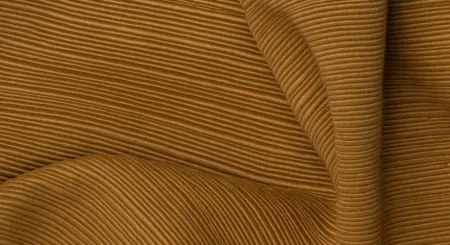
The result is a compact and stiff fabric where the warp completely covers the weft, giving gros-grain its characteristic appearance, with fine, shiny, raised horizontal ribs identical on the front and back.
Uses of gros-grain
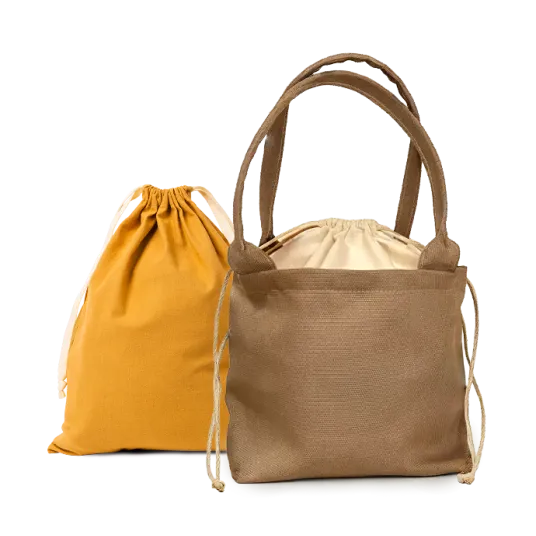
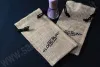
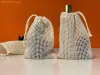
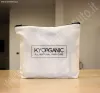
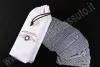
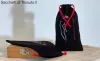
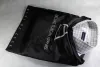
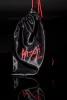
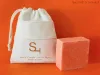
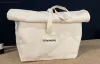
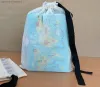
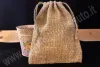
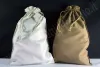
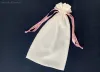
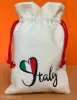
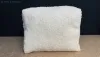
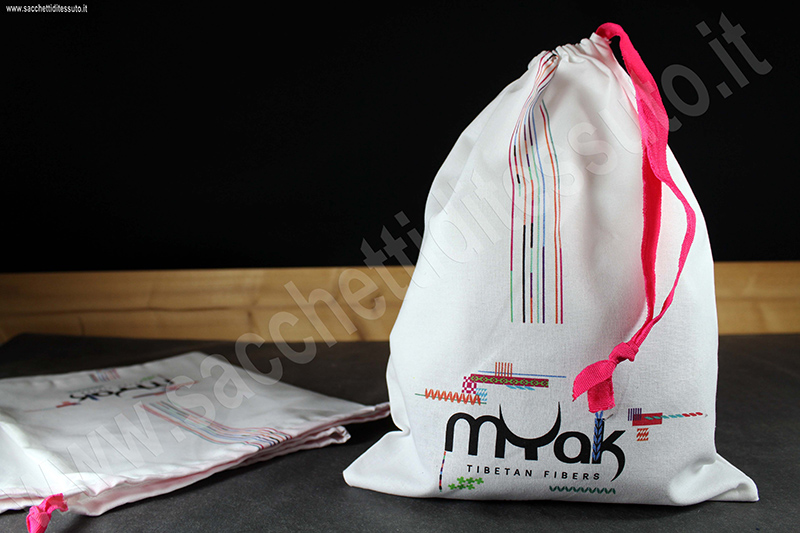
The defining feature of gros-grain fabric is stiffness, which explains its widespread use for reinforcing finishes at points on garments subject to greater strain, such as hems, straps, and pockets. It is also used to make accessories such as bags, wallets, hats, and in the fabric packaging sector both as a decorative element and as a closure ribbon, like this optical white cotton bag.
Gros-grain is popular in evening gowns, the facing linings of most coats, as well as for tuxedo sashes or bow ties. It is also used in craftsmanship for bookbinding and restoration.
The fabric’s use also varies depending on the fiber it is made from:
- Nylon gros-grain is often used as luggage straps, package bindings, and crossbody bag straps.
- Satin gros-grain is the most commonly used for practical reasons: it does not wear out easily like silk or satin gros-grain, where the threads tend to catch, fray, or tear easily.
- Cotton gros-grain or gros-grain made from more economical synthetic fibers like polyester is very common for gift ribbons or for decorating and embellishing albums and postcards.
Trivia
In the film Gone with the Wind, known for its historically accurate costumes, the redingote hem can be seen in gros-grain on several dresses.
Audrey Hepburn’s black dress in Breakfast at Tiffany’s is also made of gros-grain.