


































In questo articolo
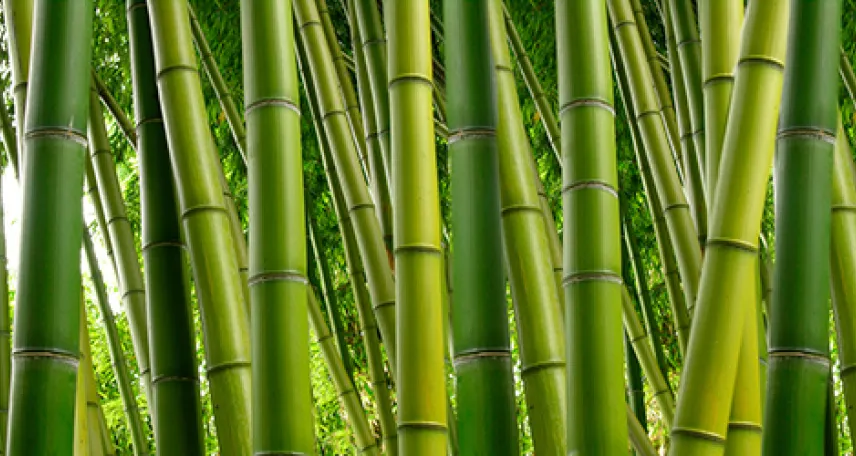
Originating in the tropical regions of the East, bamboo is a very special plant, well known as the favorite food of pandas and considered a symbol of perseverance in Japanese culture. Many fables are dedicated to the bamboo plant to teach children to have confidence in their own strengths and to never give up on their dreams, but to persist and work hard to achieve them.
Timber, food, clothing, and medicine: bamboo is a plant of many uses that is gaining market recognition due to its great flexibility and durability.
The history of the plant and its use
Bamboo is an evergreen plant that belongs to the Poaceae family, a family of plants known as viscose. Originating in the East, it quickly spread to Africa and Australia, but it is still mainly cultivated in China, Thailand, and Indonesia. The plantation grows rapidly, forming a dense forest where the height of each plant ranges from just a few centimeters to over 40 meters. Although it grows in humid and tropical areas, the plant can withstand freezing temperatures.
There are no certain sources on the plant’s origin, but its appearance in Europe dates back to 1860, shortly after the Exposition Universelle (Expo) in Paris, where the Japanese introduced bamboo to the continent for the first time.
Initially, bamboo was used to make agricultural and fishing tools, but over time it was realized that it could be used in various fields. It is also thanks to the recent climate crisis and the growing awareness among consumers—who strongly demand plastic-free products and packaging—that bamboo has found many new applications. Today the plant is used in many ways, not only as a substitute for plastic but also as a valid alternative textile fibre alongside the well-known natural fibres of cotton and hemp.
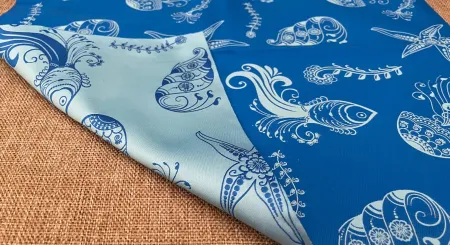
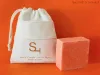
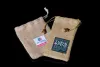
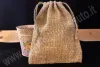
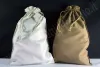
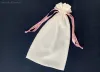
Its moisture-absorbing capacity makes it particularly suitable for the textile sector, to produce packaging such as natural bamboo bags that can hold objects of any kind, including food. Its strength also makes bamboo suitable for various uses: fishing rods, bicycle frames, as food, and it even finds applications in the pharmaceutical sector.

Bamboo processing for the textile sector
Bamboo processing is mainly carried out in South America, Africa, and Asia, where the warm climate allows plantations to thrive. First, the artificial extraction of the textile fibre takes place, which is then imported into Europe for final touch-ups by local textile industries.
Although bamboo plantations are very environmentally sustainable, the same cannot be said for its processing, which requires man-made chemical processes to produce viscose, an artificial fibre extracted from plant cellulose that gives particular brightness to textiles. There are other certified sustainable alternative fibre processing methods, but few use them due to their higher costs.
Fabric washing
Bamboo fabrics can be washed by hand or machine, however for machine washing it is better not to exceed 30 degrees Celsius, choosing a delicate cycle and avoiding the spin cycle. Washing requires little detergent—preferably mild and liquid—and a teaspoon of baking soda. To speed up drying, it is advisable to wring out the fabric lightly right after removing it from the washing machine.
Why prefer bamboo over other fabrics
The fabric fibre obtained from the bamboo plant has many qualities such as biodegradability and durability; moreover, the fabric is breathable and recyclable. Plantations require one-third of the water quantity compared to cotton plants and are cultivated without the use of chemical substances (pesticides, herbicides, etc.). Being also one of the largest CO2 absorbers, it can almost be defined as a natural organic cultivation, ideal even for companies pursuing sustainability in the products they sell.
A particular characteristic of bamboo fabric is its antibacterial quality: the fibre contains a bio antimicrobial agent called 'bamboo kun', which helps reduce bacteria that thrive on clothes and consequently on our skin.
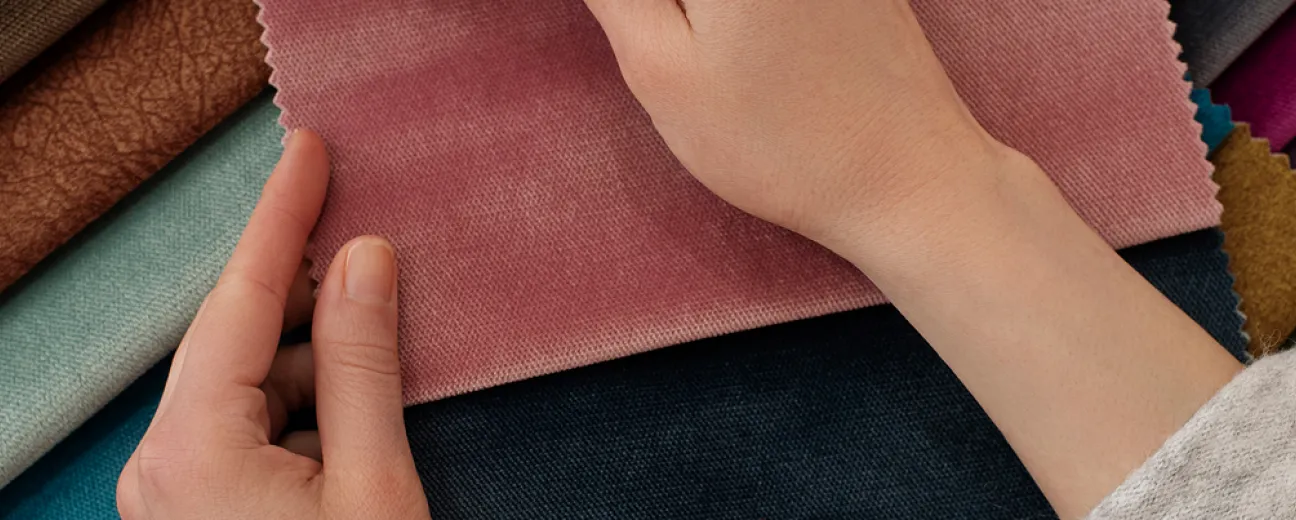
In addition, the extreme softness of fabric derived from bamboo is comparable to cashmere and wool, making it suitable even for intimate apparel and children’s clothing.
Curiosities
The term bambù is an Italian word, while the more common term bamboo is its English translation. According to the Treccani dictionary, the word derives from French bambou, originally from Malay or New Indian languages, through Portuguese bambu or mambu.