














In questo articolo
The textile sector is constantly expanding. Today, there is a wide variety of printing and weaving techniques available, alongside ongoing research to combine different fibers that give rise to new materials.
For this reason, there are now various types of fabric on the market: some are “classic” and have always been appreciated, while others are less known or “new.”
How can you find the best type of fabric for your needs when the selection is so broad?
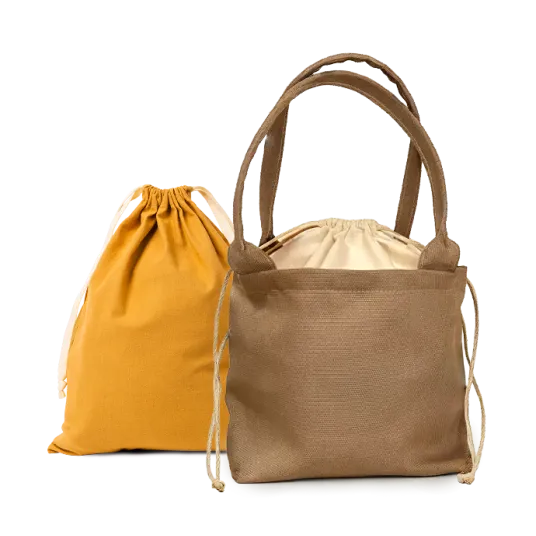
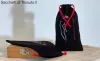
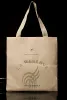
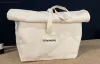
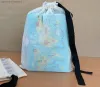
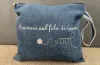
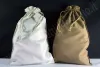
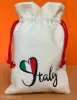
To choose one fabric type over another, you should first consider the intended use. For example, if you want to create fabric packaging, you will need materials that are durable, soft to the touch, and perhaps breathable.
Hemp, jute, and cotton are the most commonly used fabrics in these cases. But what if you wanted to give the bag a more distinctive or innovative look? There are dozens—perhaps hundreds—of different fabrics, but to select the right one for your needs, you first need to learn how to recognize and distinguish them.
Let’s explore together the various types of fabric available.
How many types of fabric exist?
Whatever their distinctive characteristics, all existing fibers fall into three major fabric categories: natural, synthetic, and artificial.
All natural fabrics consist of animal or plant-based fibers. They have a long history, are easy to dye, spin, and customise, but above all, they are made using animal hair or cellulose fibers extracted from various plants. The best known include wool, silk, cotton, linen, hemp, and bamboo.
Synthetic fabrics, such as nylon and polyester, are composed of fibers and components artificially created through chemical and industrial processes. They result from human innovation to fulfill specific needs, making them more versatile, durable, and cost-effective than natural fabrics. Often, these fibers are blended with natural fibers like cotton to create other types of fabrics.
This category also includes technical fabrics: yarns produced with polyester blended with other fibers (natural or synthetic), characterized by being lightweight and breathable, yet warm and waterproof.
Artificial fabrics are also created using chemical substances but differ from synthetic fabrics because they are produced from a natural substance. They are considered sustainable because their production avoids the use of petroleum-based materials. Most artificial fabrics are classified as viscose; others fall into the categories of bioplastics or bio-based fabrics depending on the raw materials used. They are generally less costly than natural fabrics because of lower production costs. Every fabric always carries certification indicating its characteristics.
There are therefore many fabrics you could use for your needs, and in this article, we present 12 materials you might not yet know.
12 types of fabrics you might not yet know
Here are 12 fabrics distinctive in appearance and characteristics that you may have never seen.
1. Jacroki
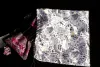
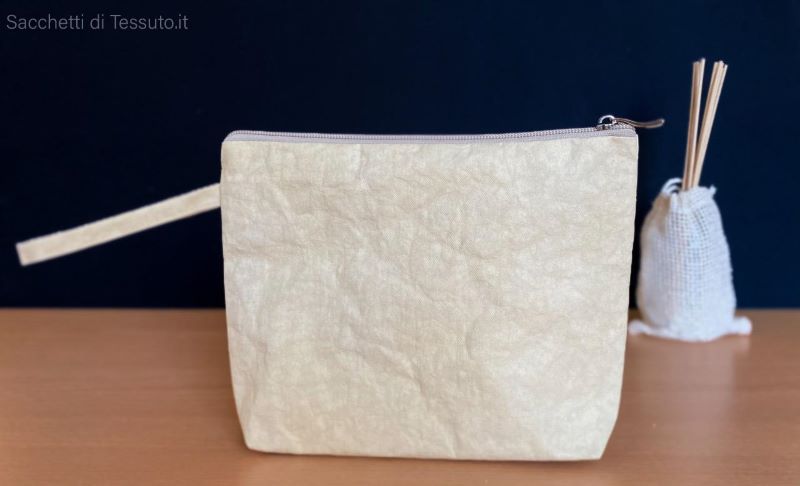
Jacroki is a new and innovative material that looks like a sheet of paper. Created only a few years ago, it stands out for its particular appearance, which resembles paper more than fabric. Yet it is fabric: an artificial fabric composed of natural fibers and recycled paper fibers. Its ecological features combine with the robustness and mechanical resistance of standard fabric.
Although “new”, more and more companies from different sectors are introducing this type of material: from fashion to packaging!
2. Non-woven fabric
The name says it all! Similar in appearance, characteristics, and uses, non-woven fabric—also known as TNT—is not considered true fabric. This material is indeed produced by methods other than weaving and uses artificial raw materials such as polypropylene. However, being very durable and versatile, TNT can be used as protective sheeting in agriculture and construction, as packaging, as well as for furnishings or surgical masks.
Other important characteristics of this type of fiber include:
- softness and anti-scratch properties;
- flexibility (it is also easy to cut);
- air permeability;
- durability because it does not fade;
- customisability, as it can be heat-sealed and ultrasonic-welded, including printing graphic elements.
3. Gros-grain
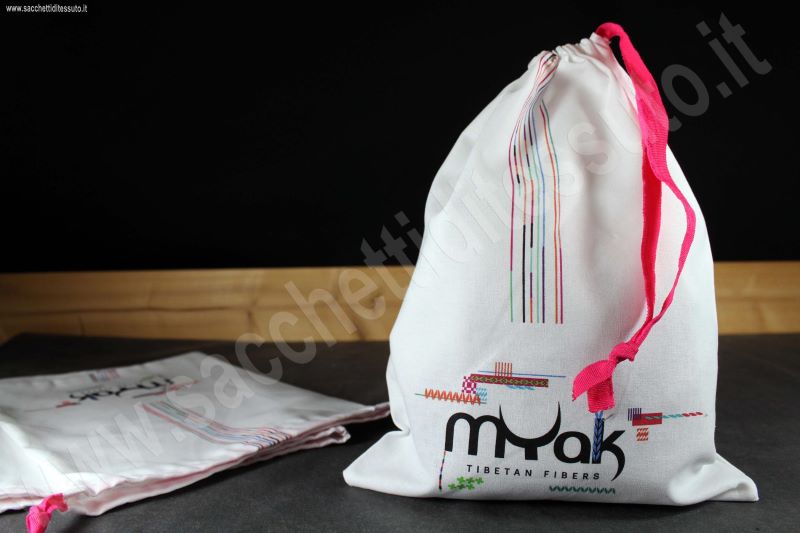
Gros-grain—from the French “coarse grain”—is a cotton fabric blended with other fibers such as silk, rayon, or other synthetic yarns. Despite its distinctive look, it was initially used only to reinforce trims on women’s clothing.
Its distinctive feature is its stiffness. Used in the form of bands and ribbons, it remains useful in many fields today: in crafts for bookbinding and restoration, in packaging as a closure or external finishing ribbon for fabric bags, and for making accessories such as bags, wallets, and hats.
Its weaving method also differs from many other fabrics; gros-grain is a solid-color fabric with a plain weave, dominated by a warp that completely covers the weft.
4. Bouclé
Bouclé is a warm fabric with a long pile characterized by small knots and loops on its surface.
It is produced from fiber made of at least two threads, also known as bouclé yarn (from French boucler “to curl” and boucle “curl, loop”), from which its name derives.
It can be made by hand or machine: the first method involves pulling one of the two threads (called the core) to keep it under tension while wrapping the other thread (the effect yarn) around it. This creates the fabric’s typical irregular looped texture. Machine spinning, instead, can produce the yarn in one step using a hollow spindle.
5. Jacquard
Jacquard fabric is easily recognized by its distinctive complex geometric patterns, rich in color.
It is produced on a specific loom named after its inventor: Jacquard. This is a classic textile machine added to the spinning machinery to allow the automatic movement of individual warp threads. This process is essential to weave fibers of different colors and create patterns of various sizes.
Thanks to its special features, it has gained prominence in the fashion industry, but it is also used in other sectors such as furnishing and fabric packaging.
6. Tweed
Tweed is an old fabric made of carded wool, with a porous texture. Originating in Scotland, it is known for its solid feel. It is very warm and durable, and therefore mainly used for winter clothing.
Initially woven by hand only in gray and black and with a herringbone pattern (a type of twill), other shades have gradually been introduced, including typical Scottish tartans and various other patterns such as checked, overchecked (windowpane), and others.
7. Alcantara
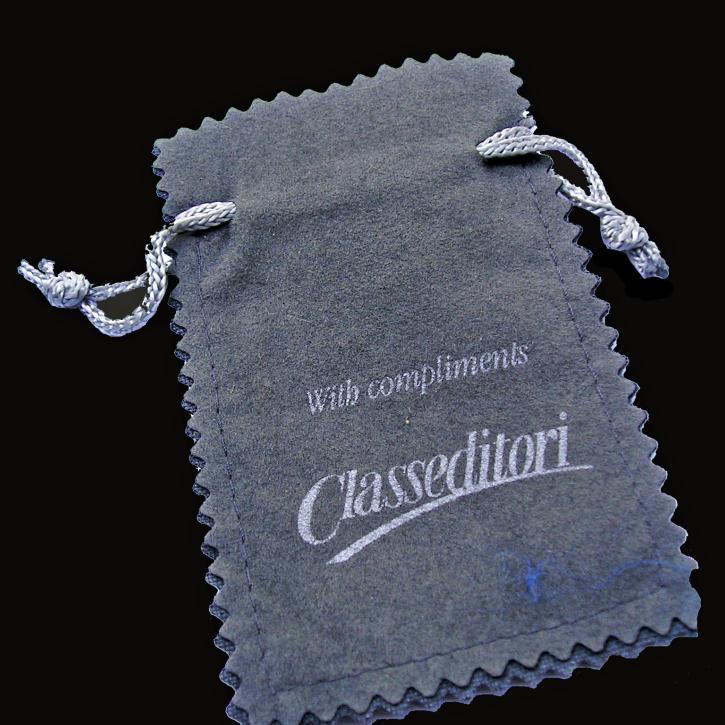
Alcantara is a trademarked fabric made of microfibers, resembling suede, used for garments or upholstery (Source: Treccani). It is elegant and refined and suits the luxury sectors, including clothing, furnishings, and fabric packaging.
It is a durable and long-lasting material produced through special spinning processes combining microfibers and polyurethane.
8. Fresco wool
A material that can be misleading! It is a natural wool satin fabric, used particularly for summer clothing. Indeed, although the name might suggest a winter fabric, it is much cooler than the wool it is named after and stands out for its resistance to tears and wrinkles. It also breathes better than cotton, is soft, hypoallergenic, and does not irritate the skin.
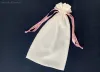
9. Organza
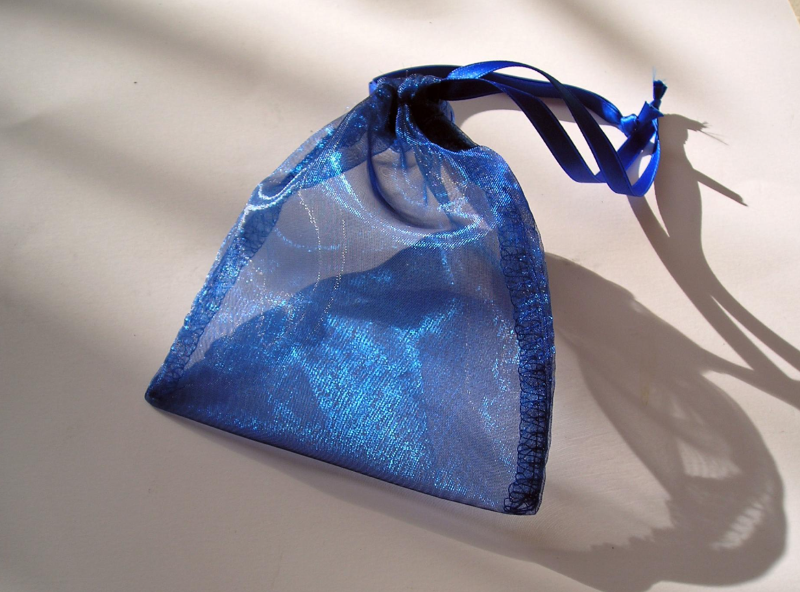
Organza is a thin fabric traditionally woven with silk. It has a transparent, matte, and sophisticated appearance.
Similar in many ways to chiffon, this fabric is slightly heavier and stiffer, with a “crisp” feel due to sericin (the “bark” of silk).
With its elegant and luminous effect, it is suitable for multiple uses: for example, for wedding dresses, but also as packaging for high-fashion brands and jewelry, thanks to the fabric’s ability to capture and reflect light.
10. Econyl®
Truly revolutionary, Econyl® is a recent synthetic fabric born from a regeneration program for recoverable plastic waste, positioning itself as one of the most ecological synthetic fibers on the market. Although very similar to nylon (which is less sustainable), Econyl® is much greener because it derives from the regeneration of recycled plastic polymers. Specifically, it comes from recovering abandoned fishing nets in the oceans, domestic carpets, industrial plastic waste, and textile industry fabric scraps.
By type, it is considered a fabric, not a bioplastic, because bioplastics come from biodegradable or compostable plant-based raw materials, while Econyl® is exclusively derived from recycled plastic.