




















In questo articolo
In recent years, the interest in taking care of one's home has grown, especially after the pandemic. Ensuring increasingly livable and comfortable spaces where you can rediscover all the warmth of an intimate and well-curated domestic dimension has become a true trend: cocooning. This phenomenon has affected many areas, from fashion to interior design and lifestyle. Today, we also see the cocooning effect in fabric packaging, chosen not only for sustainability reasons but also to best showcase premium and luxury products. Let’s explore more about this trend and how to support it with the right solutions in Teddy, Sherpa, and Bouclé.
What is the cocooning effect and why is it popular in textile packaging
Cocooning is an English word derived from “cocoon” and refers to a lifestyle and home arrangement approach. Those who adopt this lifestyle spend a lot of time at home, not just for eating and sleeping but to create quality moments, also in the company of family and friends. Domestic spaces are increasingly welcoming and equipped to make the home a true nest of comfort and well-being. Slow rhythms, intimacy, and warmth are the key concepts around which this philosophy revolves.
Cocooning has been translated into style, design, and fashion proposals: from coverings (wood, stone, bamboo), to colors (neutral tones like gray, beige, white), to objects (warm and soft lighting, artisanal furniture, plants), everything can promote a relaxed and comfortable atmosphere.
But how does all this reflect in textile packaging? Packaging can also convey these feelings through carefully selected shapes, materials, and finishes that are pleasant to the touch, inviting relaxation and self-care.
The Teddy fabric: a sophisticated indulgence
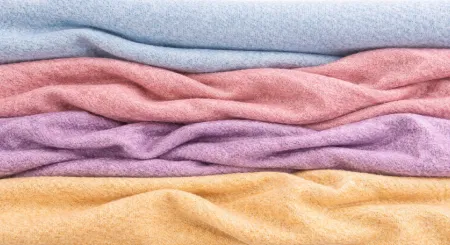
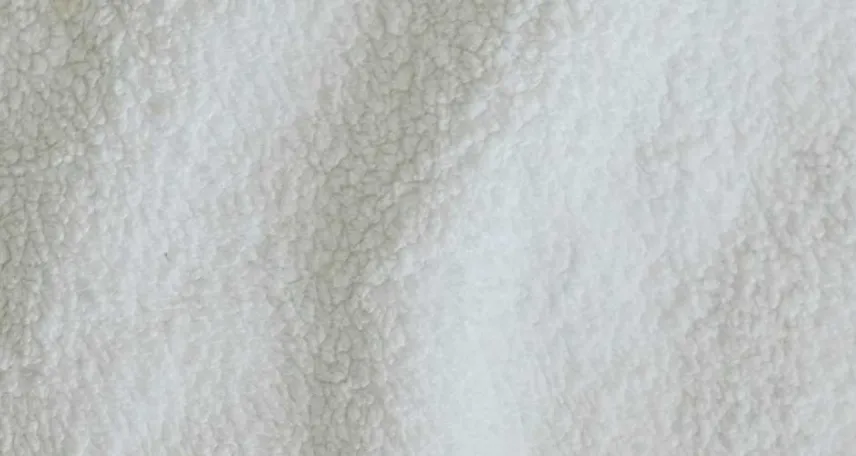
The Teddy fabric, named after the English word for “teddy bear,” owes its name to its very soft texture, reminiscent of a plush toy. It can be made from various materials such as polyester, wool, and cotton. In all cases, the effect is decidedly cocooning – it feels like touching a soft fur – but it is much lighter and easy to maintain. The surface is created through small open loops of yarn that are then stiffened, much like some types of terry cloth, which add elasticity.
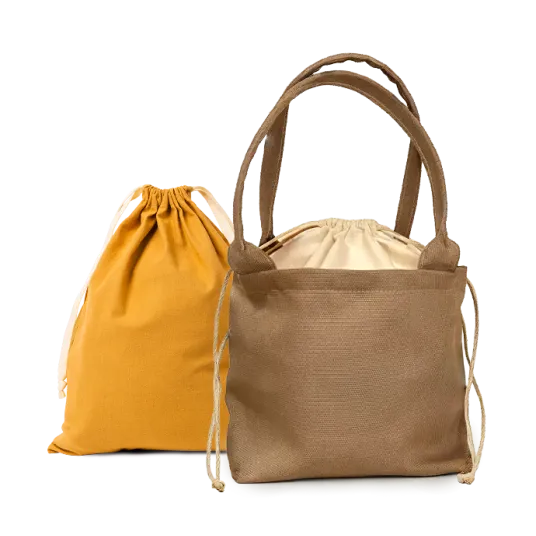
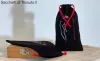
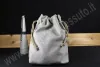
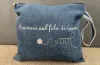
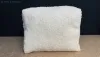
For this reason, it is mainly used for warm and practical outerwear but also for upholstery in armchairs and other furniture pieces. And, of course, for fabric packaging, to create sophisticated and irresistible packages, like our bouclé fabric pouch in Teddy style with zipper, original, refined, and customizable.
What does bouclé fabric mean? Let’s explore that next.
Bouclé fabric: a touch of class for brand packaging
Clothing and interior design are the most common applications of bouclé fabric, from the French word “boucler,” meaning to curl or close. The surface of bouclé fabric, made from the eponymous yarn, is characterized by loops or knots of varying sizes which, depending on the treatment, make the fabric more or less stiff, dense, and soft.
But these are not its only qualities: typical of the Chanel style (Coco Chanel first introduced it to haute couture around the 1950s), it is distinguished by its elegant and refined appearance.
Often made from synthetic fibers, this particular type of fabric may also include mixed yarns, both in solid colors and in various patterns, especially geometric motifs.
Its qualities are numerous: it is durable, soft, breathable, and retains its original shape well without wrinkling. This is why it is highly valued for making winter garments or upholstery.
Regarding packaging, it is ideal for comfortable and elegant packs like pouches and less structured packaging, or casual yet sophisticated terry cloth bags, perfect for cosmetics and high-end products.
Sherpa fabric: extreme softness and comfort
It resembles fur in texture and appearance but is not real fur. Sherpa fabric takes its name from a Nepalese ethnic group known for their mountaineering skills and distinctive wool clothing. Today, however, it refers to a synthetic fabric (typically polyester, acrylic, or a blend of the two), very soft and versatile.
Depending on its weight and thickness, Sherpa fabric can be used for household linens and pet accessories (such as beds and cushions), home furnishings, outdoor equipment (such as sleeping bags), and clothing. Usually, the two sides are differentiated: the inner side has a smooth knit, while the outer side is softer and textured, contributing to its pleasant feel. The enveloping texture similar to sheep’s wool is one of Sherpa's advantages, along with its heat-retaining capacity.
How to choose the right fabric for packaging with a strong emotional impact
When it comes to brand identity, packaging also matters. As a vehicle for the brand image alongside the logo and other features, it is one of the elements that directly influence consumer perception. Consider the connection between certain packages and the immediate recognition of the product (pastel yellow bags are not synonymous with a specific brand of biscuits and sweets?). Or the fact that some particularly original and innovative packaging can be registered and protected under Italian law. Therefore, when choosing the packaging of any product, careful attention is essential to make the right choices, namely in line with the brand image and its values.
Fabric packaging, in particular, can communicate various messages:
- greater content value: compared to simpler or disposable solutions, fabric packaging conveys refinement and care, typical of premium products;
- environmental awareness, especially if made with sustainable materials or methods, also because it can be reused multiple times;
- multisensory experience: the packaging texture can enhance the positive experience of its contents.
Each fabric also has its own “personality” that may align more or less well with that of the brand. Teddy, Sherpa, and Bouclé, for example, are ideal for those seeking the cocooning effect even in packaging.
Teddy, Sherpa, and Bouclé: characteristics compared (and guaranteed cocooning effect!)
If your brand embraces the cocooning lifestyle or wants to evoke its atmosphere, the choice can only fall on fabric packaging in Teddy, Bouclé, or Sherpa.
Teddy, as we’ve seen, offers a soft and welcoming texture, ideal for evoking tenderness and affection. Bouclé, with its irregular and sophisticated surface, is perfect for brands aiming for elegance and originality. Finally, Sherpa conveys a sense of craftsmanship and “handmade” quality thanks to its woolly, natural appearance.
These materials not only elevate the perceived quality of the product but also enhance the purchasing and usage experience, strengthening the emotional bond between brand and customer.
Is this exactly what you are looking for? Then take a look at our catalog to discover all our creations! Or contact us for more details and to explore all the possible customizations: creating the most suitable packaging for your products and brand is precisely our profession!