







































In questo articolo
It is common to use the terms cloth and fabric interchangeably as if they were synonyms, without knowing that, in fact, they refer to two different things.
So what is the difference between cloth and fabric?
The difference is that cloth is a type of textile fiber used to make linen, clothing, or upholstery, while fabric is what is obtained from weaving. More specifically, as the Treccani encyclopedia states, "Fabric, in its technological sense, is an industrial product consisting of a web made with textile materials, of indefinite length, limited width, and thin thickness, either absolute or relative to the other two dimensions. It has adequate flexibility in every direction and possesses characteristics of solidity, compactness, and appearance varying according to the intended use."
Therefore, the term cloth indicates the purpose — that is, to make garments or coverings — while the term fabric refers to the specific manufacturing method, namely the interlacing of threads.
In practice, all cloths can be considered fabrics, but not all fabrics are cloths. In both cases, these are fibers processed differently: thus the difference between cloth and fabric lies in the processing!
The processing of textile fibers
To understand the difference between cloth and fabric, one must know the process of textile fiber processing.
Textile fibers are not all the same, but are distinguished as natural, artificial, and synthetic.
- Natural fibers can be either plant-based — such as cotton, linen, hemp, and jute — or animal-based, such as sheep’s wool, cashmere, silk, vicuña, alpaca, and others.
- Artificial fibers originate from the combination of several materials. Rayon, derived from cellulose fibers, belongs to this category.
- Synthetic fibers also result from the combination of materials, in this case petroleum. Nylon and microfibers are synthetic fibers.
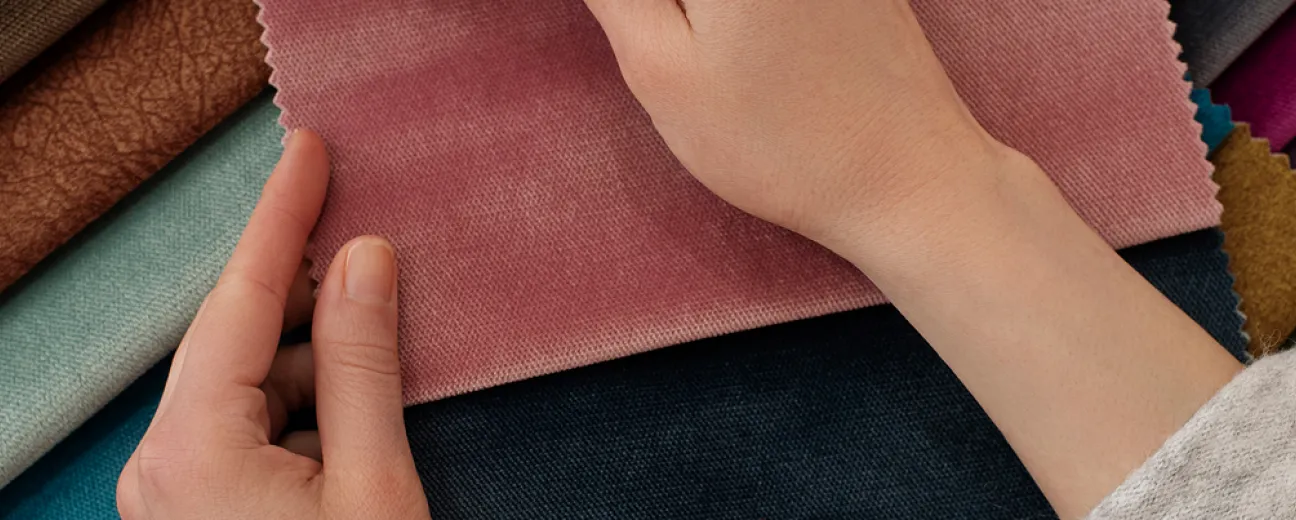
The processing of fabric takes place through the technique of weaving, which consists of the interlacing of threads of natural fibers. The characteristics of the fabric itself change depending on how the weave is designed.
The interlacing of threads derived from fibers forms the weft, warp, and selvage. The weft is the set of threads woven across the warp and determines the fabric width; the selvage is the edge of the fabric.
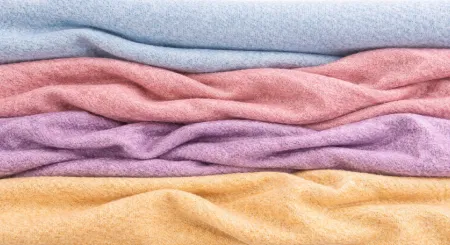
The processing of cloths, such as TNT or felt, is different because these synthetic fibers have felting properties. This means that after being pressed, they compact with soap and water-based solutions. Therefore, they adhere to each other without spinning or weaving processes.
Fabric and cloth are not used only for garments and accessories. They can also become convenient packaging
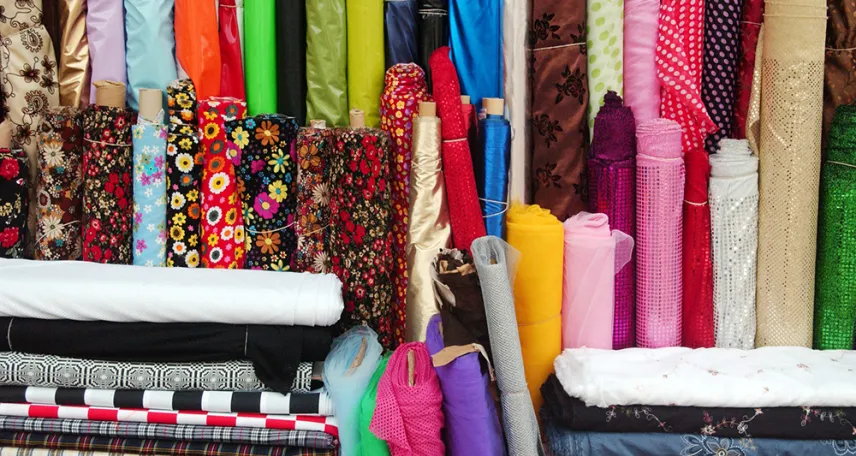
Cloths and fabrics are therefore similar but at the same time different, and both find application in various fields and sectors: they are used for upholstery and curtains, for making clothes and apparel, for furnishing, but also as packaging!
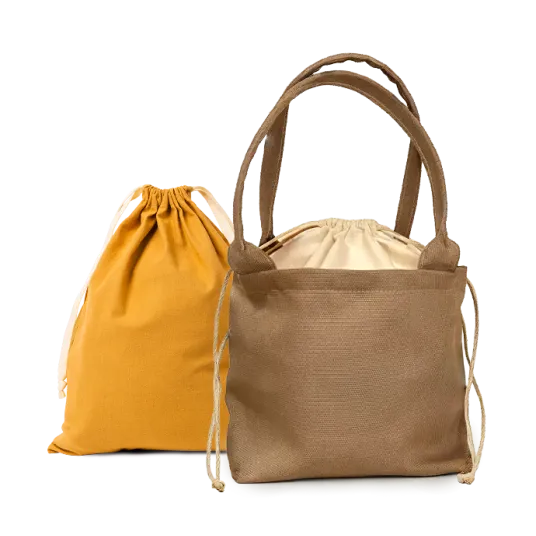
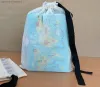
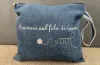
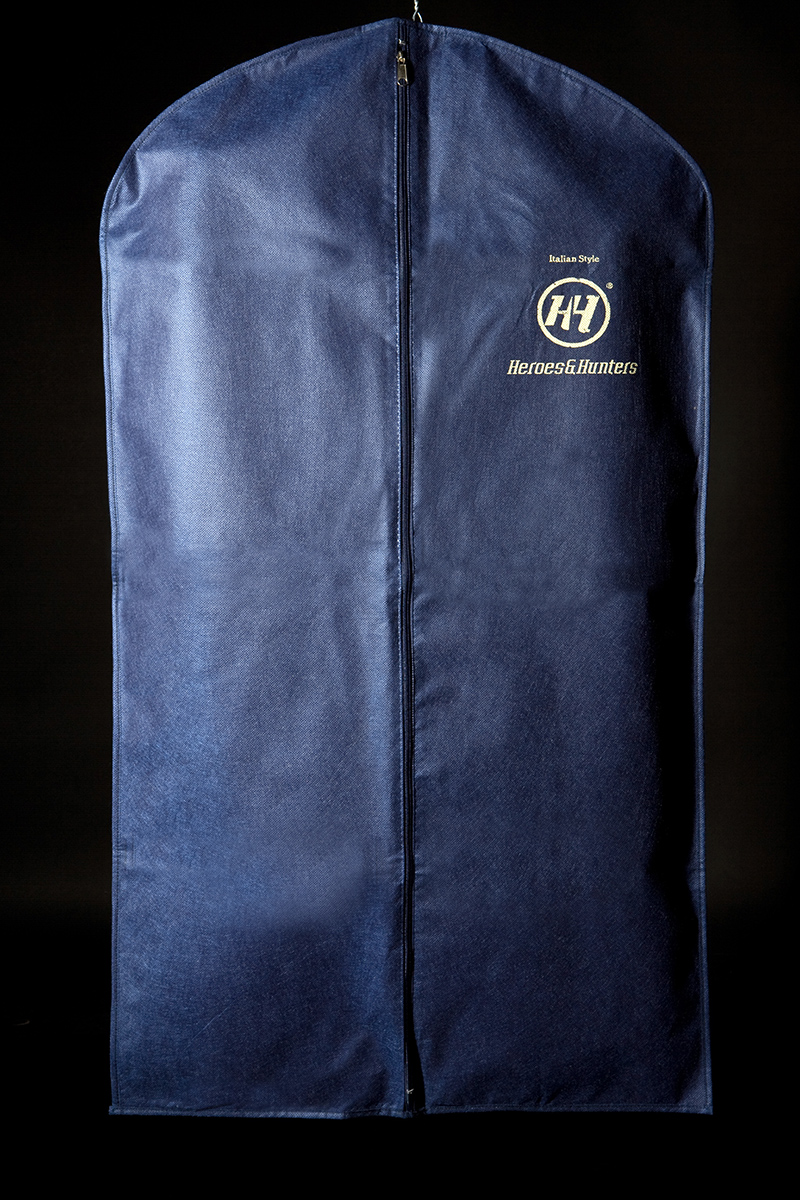
Due to their durability, cloths and fabrics are widely used also in textile packaging! For example, a custom TNT fabric garment bag can be used to protect your most elegant clothing; just like felt, when made with wool, can be employed in the cosmetics sector to become a makeup pouch. The result is an ecological and sustainable packaging solution to preserve makeup for a long time.
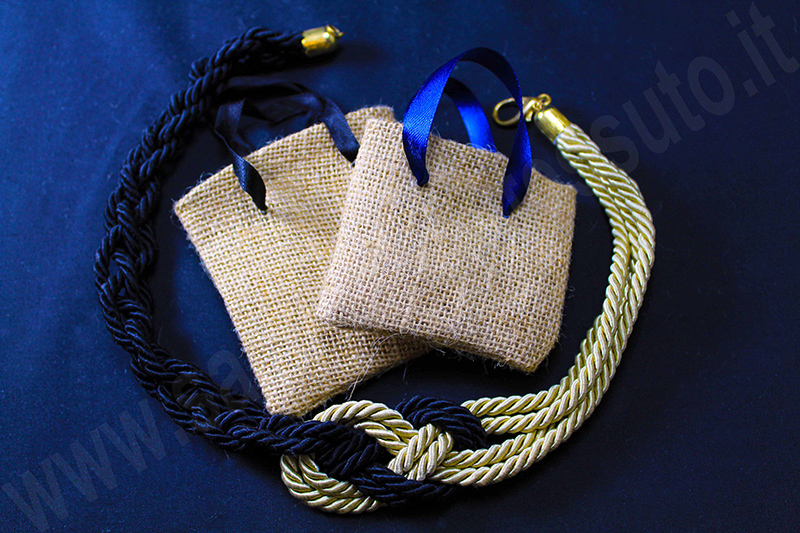
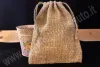
Similarly, a natural cotton fabric bag can be used to package foods such as coffee, legumes, and cereals, or a jute bag can become an ideal packaging for costume jewelry items.