









































In questo articolo
From India to Peru, from East to West, cotton is the plant with a thousand uses that has been cultivated, processed, and appreciated worldwide since ancient times.
Cotton fiber is in fact the most used alongside wool, and the plant from which it comes, cultivated for many centuries, is one of the few that humans grow intensively for non-food purposes.
The history of the plant and its use
The history of cotton spans millennia. The first evidence of its presence dates back to 9000 years ago. It was in that distant era that the first seeds of the plant were found in the Indus Valley. Its Latin name Gossypium derives from the Egyptian Gossypion and is still the scientific term used to designate cotton.
This plant is present on many continents, including America, where the Maya, Aztecs, and Incas extensively worked and used this fiber thousands of years before the birth of Christ. Archaeologists have found cotton capsules and fabrics dating back to 5800 BCE. In Europe, cotton first arrived in Greece, and it was the Arabs who introduced it to our continent around 350 BCE during the empire of Alexander the Great (Source: Textile Architecture website of Politecnico di Milano Membranes and shells for widespread architecture).
In the following centuries up to the 1400s, cotton remained a luxury import product in Europe, gaining greater importance only after the discovery of America. Indeed, once in the New World, Europeans found an ancient tradition of cotton cultivation and processing.
Then, with the invention of the cotton gin, the cost and production time for this material were greatly reduced, spreading cotton use also in the Old Continent. Unfortunately, its history is inextricably linked with slavery: in the 1600s in Louisiana, the first large cotton plantations emerged where slaves were forced to harvest the plants destined for processing.
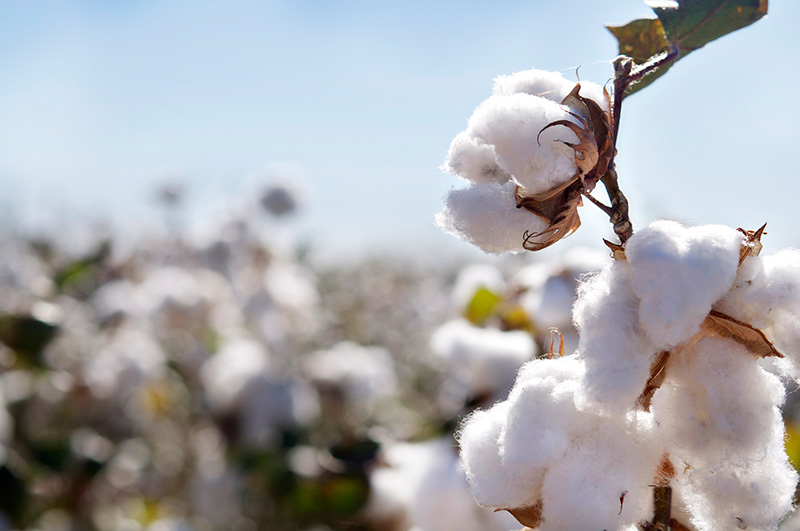
The cotton industry as we know it today began taking shape only after the invention of the mechanical loom and the steam engine, which also sped up the process of seed collection.
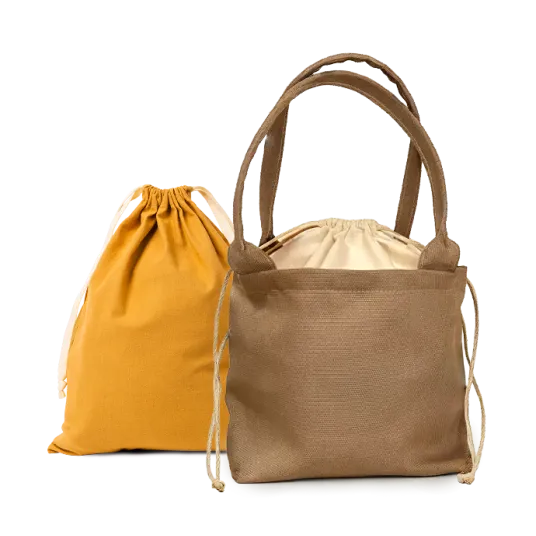
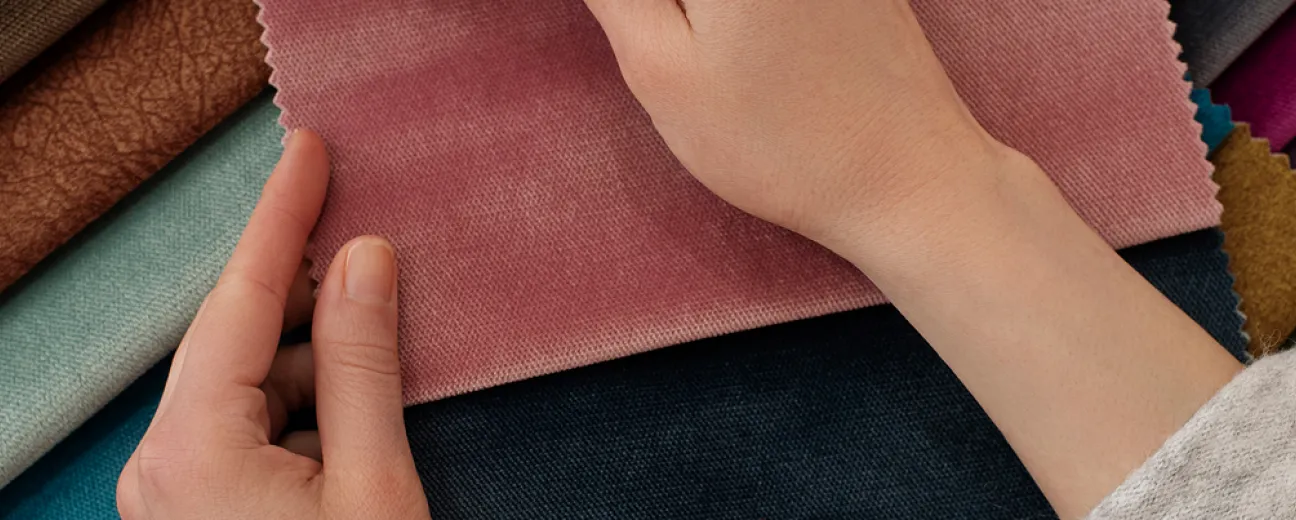
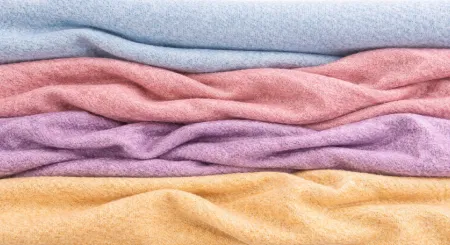
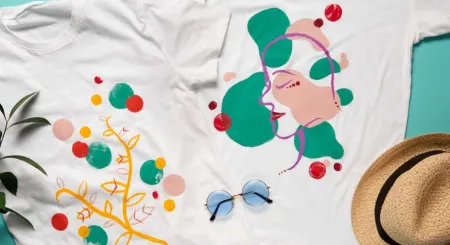
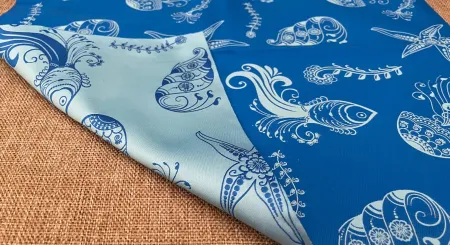
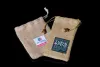
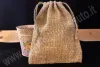
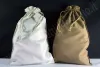
Currently, cotton is mainly used in the textile sector, where both natural raw cotton and dyed cotton can be found for garments or fabric packaging, and virtually nothing of the plant is wasted, as it is used in many ways:
- from the fiber, cotton wool and absorbent cotton pads are produced;
- from the seeds, edible oil is extracted;
- from cellulose treated with nitrogen compounds, explosives such as nitrocellulose can be obtained;
Cotton is a material that does not require special care and, unlike other fabrics like wool and silk, is not attacked by moths. The color varies depending on the origin: in Egyptian regions it is yellowish, in American areas the fiber is white, while in Asian areas it has a brown-red hue. Like the color, the fiber length varies between 60 and 10 mm depending on the region.
Fabric processing
The processing begins with seed harvesting, which are placed into the cotton gin to remove leaves, dust, and soil, separating the fiber that is collected into large bales. These bales then go through another machine that cuts the fiber into segments a few centimeters long, which are then spun to form threads that can be used to produce fabrics.
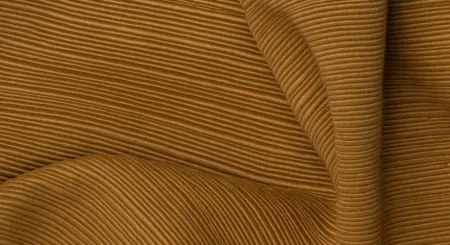
A very strong and durable version of cotton is canvas cotton, a heavy and highly protective material made from twisted yarns in warp and weft. The first jeans were sewn precisely with this fabric.
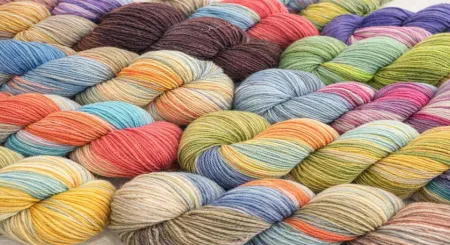
When cotton is spun together with other fibers, it creates melange cotton, usually made from mixed natural yarns and therefore well suited for packaging natural cosmetics, fragrances, and organic beauty products.
Why choose cotton over other fabrics?
Cotton is a 100% natural fabric that is biodegradable, ecological, recyclable, with a composition of 95% cellulose. It is a light, soft material with high absorbent properties, but also durable, making it perfect for carrying delicate objects without the risk of damage. Cotton is also:
- hypoallergenic, suitable for everyone;
- air permeable and breathable;
- a fabric that facilitates the dispersion of body heat, making it a good material for clothing for any season.
Distinction between cotton and non-woven fabric: which to prefer?
Cotton is now widely known and used in packaging, but it still competes with other types of fabric, such as Non-Woven Fabric (TNT). In reality, TNT, though similar in appearance, is not technically a woven fabric but an industrial product obtained by different manufacturing processes from weaving. In recent years TNT has found many different uses because it is durable, versatile, and economical, to the extent that products combining cotton and TNT are created to produce extremely long-lasting products.
Cotton or TNT: which fabric is best to use? It is not easy to answer, as each material has advantages and disadvantages depending on its intended use. Particularly with the recent emergency triggered by the Covid-19 pandemic, which required protective devices for the population, the question arose as to whether disposable TNT protective masks or cotton masks are preferable.
TNT masks are the surgical type, which reduce the risk of virus spread by limiting saliva discharge from potentially infected wearers; however, they are uncomfortable to wear and can only be used once. Their disposable nature has proven more harmful than expected, causing an enormous waste buildup with possible negative environmental impacts, especially if discarded on the street instead of disposed of properly.
Cotton filtering masks, on the other hand, are much more eco-friendly, as cotton can be washed and reused many times, and are more comfortable to wear because they are softer and more fragrant. We too have chosen to produce double-layer cotton filtering masks to do our part during this emergency. Although cotton masks do not constitute medical devices, using double-layer tightly woven natural cotton with an outer water-repellent cotton flap can still filter microbial passage and the droplets expelled by sneezing or coughing. This is a valid ecological alternative to disposable masks for personal protection to help prevent virus spread, though not suitable for use in workplaces.
How to reuse cotton fabric
Cotton fabric can be recycled in many ways. For example, if you have a natural cotton bag at home that you haven’t used for a long time, why not transform it into a small and simple keychain? You just need to cut a piece of the bag, stuff it with cotton wool, sew it up, and attach the key hook.
Or, if you have a cotton shopper bag that you no longer use, you could cut the handles, insert a pillow, and sew it up. This way, you get a new pillow cover.
Curiosities
Not everyone knows there are differences between cotton wool obtained from cotton and absorbent cotton pads. Cotton wool, widely used in upholstery for furniture or clothing, is a soft felt with little density. It is made by mixing shredded cotton scraps, virgin fiber, and cleaned leftovers.
Absorbent cotton pads, on the other hand, are a product that has undergone processing such as carding and bleaching to make it better at absorbing water. When sterilized, absorbent cotton is also used in healthcare.