







































In questo articolo
Even online sellers can opt for eco-friendly packaging for e-Commerce. This way, they can enhance their products while simultaneously communicating an important message about environmental responsibility to their customers.
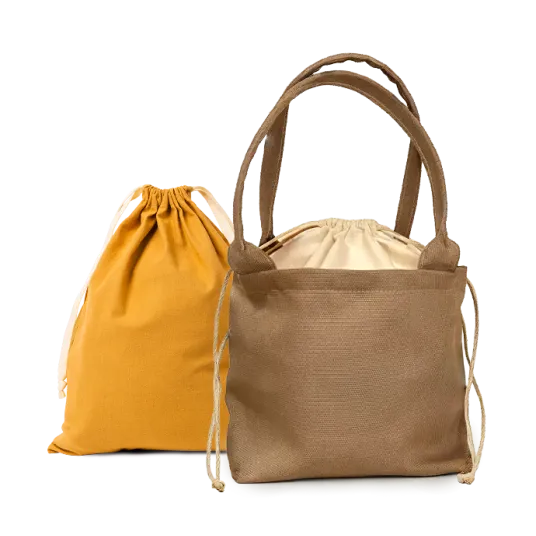
Using, for example, fabric bags as packaging and product protection is an interesting alternative from several perspectives. They are eco-friendly, reusable, colorful, and customizable with your company or store logo.
Let’s explore all the advantages and which options to choose!
Italians choose e-commerce for shopping
More and more Italians are using digital channels for shopping. According to the data from the 2022 Annual Report on Italian E-commerce by Idealo, which captures trends and changes in consumer habits, the representative survey sample states they are very satisfied with how digital influences shopping behavior.
Specifically, the research shows “61% of consumers make an online purchase at least once a month, while 24% do so weekly.” Thus, at least 8 out of 10 Italians shop online at least once a month. This figure is, however, slightly down (by 2 percentage points) compared to 2021 due to inflation, a consequence of the delicate geopolitical situation currently underway.
For Italians, shopping from home is comfortable and therefore seen as an alternative to the traditional shopping trip. Moreover, online shoppers can compare prices, enjoy a wider range and availability of products, benefit from fast transactions, and keep track of their spending.
For an e-commerce to succeed, it is important to meet customer expectations. This also involves packaging that can trigger the “wow” effect and convey the brand’s values.
What is packaging for e-commerce?
When we talk about packaging for e-commerce, we refer to all the details and characteristics of the packaging used to ship and thus deliver a perfect parcel to online shoppers.
Generally speaking, packaging includes both the box and the material used to make the box; the presence or absence of a note card; the type of packaging; and the presentation of products inside the package.
There are different categories of packaging:
- primary: the package that actually contains the product when handled by the consumer;
- secondary: the set of packaging that holds together multiple individually packaged products;
- tertiary: all the packaging that allows transportation of products in large quantities, packaged inside.
While this last category is rarely seen by end consumers, those involved in shipping and e-commerce know that both primary and secondary packaging are highly visible. So, how can these also be made useful for promoting the brand and making the consumer’s unboxing experience memorable?
Packaging for e-commerce: fabric bags with eco-wow effect
To pleasantly surprise and impress those who receive your package, you can choose custom packaging, even better if created carefully and consistently with your brand’s values. Consumers today consider themselves increasingly “eco-conscious”, sensitive to environmental protection and keen to avoid waste.
Sending a product in non-recyclable packaging, for example, could even damage your image. Conversely, opting for packaging made of natural materials, including fabric bags, can bridge the gap between producer and consumer.
Highlighting that the company cares about environmental sustainability creates a connection that strengthens the bond with the customer, even at a distance. But this is not the only reason to choose reusable packaging.
Fabric bags are highly versatile packaging elements. Companies can customize many aspects that make the pack unique and perfect to create a genuine “eco-wow” effect in the eco-conscious consumer opening the package. Before exploring fabric bags to choose for leaving everyone amazed, let’s look at which ecological materials for packaging can be selected.
Eco-friendly materials for packaging: which to choose?
Nowadays, we have many green alternatives to polluting packaging. Durable packaging that can protect goods from damage during transport, adapt to any shipment, and—above all—reduce environmental impact.
You can choose among:
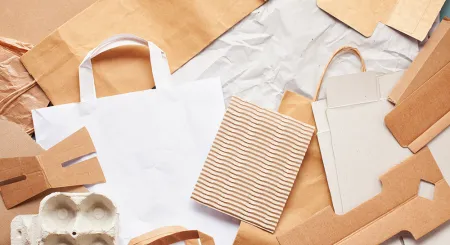
- paper and cardboard;
- compostable bioplastics;
- innovative sustainable materials derived from algae and fungi, for example (recently widely used in the fashion industry);
- vegetable fibers;
- natural fabrics.
All materials can be used to create sustainable packaging that minimizes environmental impact through recycling and avoids waste (thanks to reuse).
Advantages of eco-friendly packaging for e-commerce
Those who choose eco-friendly, recyclable, and reusable packaging make a conscious choice and show respect for the planet. Additionally, they take a stance on environmental issues, increasingly valued by consumers.
As confirmed by the Nomisma 2022 Consumer Goods Packaging Observatory, 59% of the population pays more attention to green issues than in 2019, and “28% of buyers also choose based on packaging sustainability.”
Companies committed in this direction contribute to building their brand reputation, that is, the image they present to people. Packaging tells the brand story and helps convey the brand identity.
For this reason, abandoning plastic and single-use packaging in favor of recyclable and natural materials is a significant step forward that demonstrates sensitivity and respect for the planet. These themes— as mentioned— are fundamental to people today and can be pursued while reducing costs, without compromising sustainability.
Summarizing, the advantages of using sustainable packaging are:
- ensuring environmental protection by reducing emissions and waste production;
- allowing the brand to declare its values, strengthen its image and brand reputation;
- helping the brand gain and retain customers who want to buy from brands reflecting these values and using sustainable packaging.
Customising fabric bags for e-commerce packaging
How to make eco-friendly packaging unique and original, suitable for every type of brand? By customising it, for example.
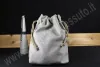
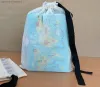
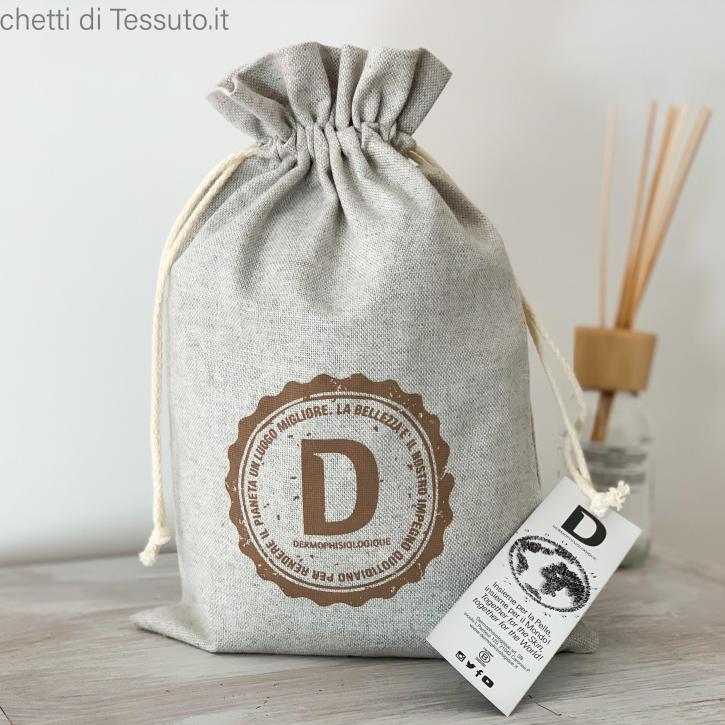
When using fabric bags for your e-commerce packaging, you can choose the type of fabric (cotton, hemp, etc.), the color, and customize it with logos and text that evoke your brand.
Natural cotton is suitable for all types of bags and packaging; it can be dyed, printed, or embroidered and can hold accessories, beauty products, jewellery, shoes, and many other items. It is an untreated fabric of medium weight, smooth and soft to the touch, yet durable.
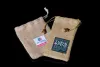
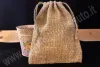
Those preferring a more rustic effect—for example, selling coffee, legumes, and other food products—can choose jute. Breathable and sturdy, it also evokes the aesthetic of sacks used for transporting materials before the advent of plastic.
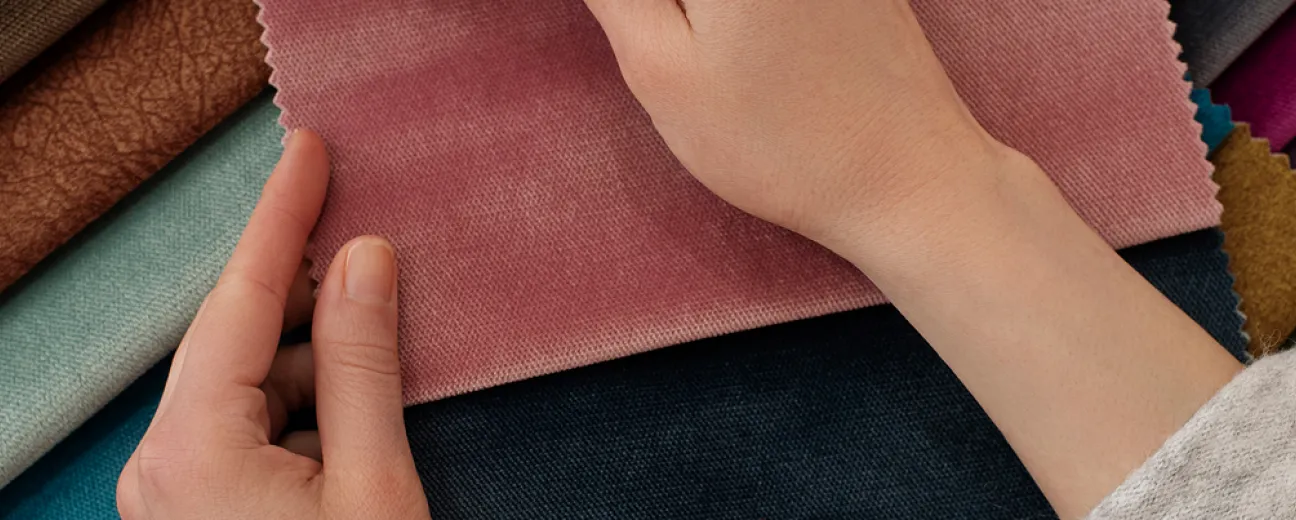
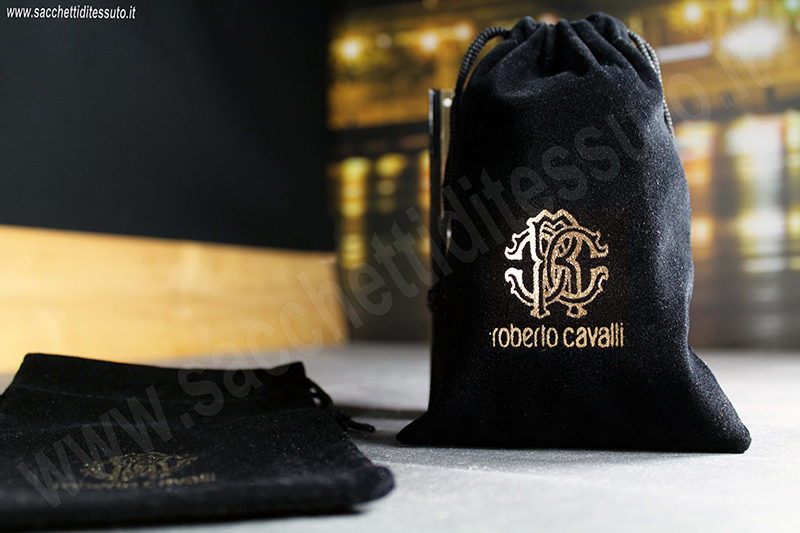
For a precious product, the most suitable choice is velvet. Long associated with the luxury sector, it is perfect for perfumes, jewellery, and tech accessories wrapped and protected in a bag that can be reused many times.
The customisation options for fabric bags do not stop there. You can add your logo to your fabric packaging with different techniques:
- embroidery for a handcrafted effect;
- screen printing;
- digital printing;
- hot foil stamping.
Each technique has its own characteristics and helps give your packaging character and personality. This way, your customer will receive a recyclable, reusable, and sustainable package.
Finally, the brand name, logo, or other customisation means that the fabric bags, once reused, can spread your name and website to even more people.
Would you like to see what we can offer? Browse our catalogue!