


















In questo articolo
Lycra, fleece, microfiber: surely we have all heard of or used one of these fabrics.
Now familiar and commonly used, not everyone knows that these are actually technical fabrics, meaning fibers artificially created through specific processes to fulfill various purposes, especially for athlete clothing.
In this article, we will explore what these materials are, their composition, their characteristics, and their main uses. Let’s review them together.
What are technical fabrics and what are the benefits of using them
Technical fabrics are made of polyester blended with other natural or synthetic fibers, depending on the desired characteristics.
Based on the production technology used, they are classified into two main categories: those with a traditional woven warp and weft or film-non-woven, obtained through lamination or extrusion processes.
Woven fabrics are further divided into two classes:
- natural: when fibers such as cotton and hemp are used,
- artificial: when fabrics like polyester are employed. For construction uses, silicone or fiberglass are often used.
Characteristics, benefits, application sectors
Technical fabrics are lightweight and breathable yet at the same time warm and waterproof. These features make them suitable for sportswear, as they protect athletes from extreme temperatures and prevent sweat accumulation.
Additional advantages include:
- easy to wash,
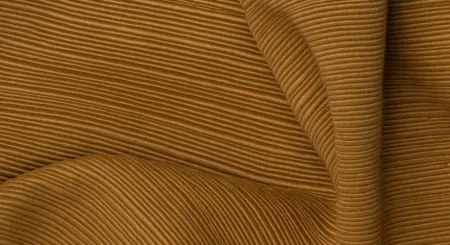
- quick drying and often wrinkle-free,
- resistant to tearing and weather conditions,
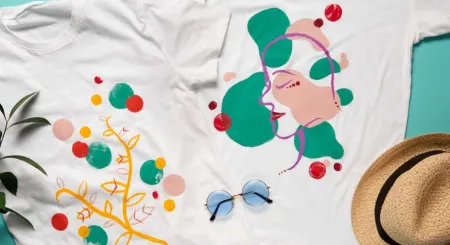
- easily customizable with fabric printing techniques,
- excellent thermal insulation.
Thanks to all these properties, technical fabrics find applications in various sectors, ranging from clothing and furnishings to construction, agriculture, and packaging.
Microfiber, fleece, nylon… discovering the main technical fabrics
Among the best-known technical fabrics are microfiber and fleece, but there are also lycra, gore-tex, ripstop, cordura, acetate fabric, and many others. Let’s take a closer look at their characteristics.
Microfiber
Microfiber is a soft and versatile fabric composed of technofibers made from extremely fine and light fabric filaments.
It originated in the 1980s, developed to create a fabric that was soft and shiny like silk but also capable of absorbing water easily, as well as (or better than) cotton.
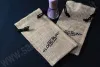
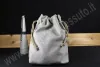
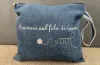
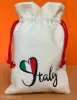
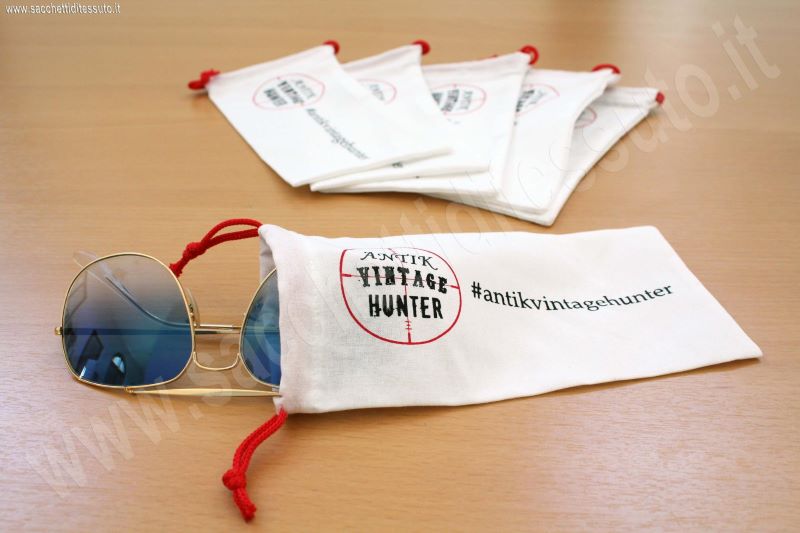
Thanks to its breathability and high absorption properties, it is used in very different sectors. It is perfect for sportswear, cleaning, and leisure, but also used for underwear (socks, underwear, vests) and for fabric packaging. It is particularly useful for making bags for glasses that protect while also serving as lens cleaning cloths.
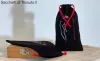
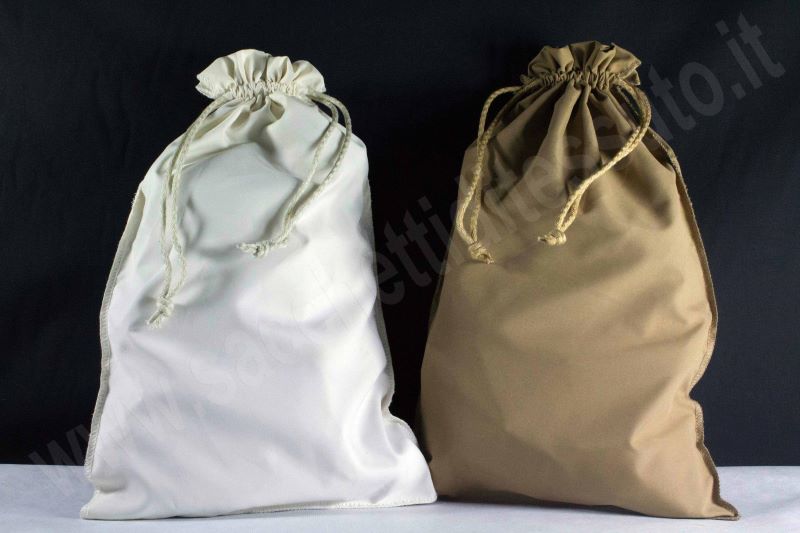
Or as a bag for containing footwear, bags, and accessories in the leather goods and luxury sectors.
Microfiber is also used in the cosmetics sector for beauty routine headbands or makeup removal cloths, as it is soft on the skin and safe for health.
Makeup remover cloth and headband in microfiber created on request for a client" data-entity-type="file" data-entity-uuid="3c8daf40-375b-4a87-873c-007292c6cba0" src="/sites/default/files/inline-images/fascia-e-pezza-struccante-in-microfibra-ricamati1_0.jpeg">
Fleece
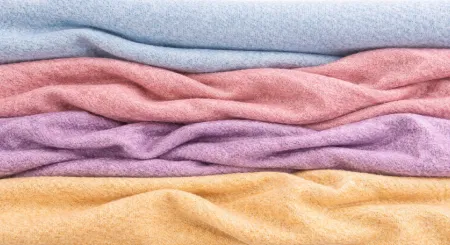
Fleece was created and patented as Polartec at the end of the 1970s by the American company Malden Mills. The name derives from its distinctive texture reminiscent of the woolly surface of a carpet: hence “pile of carpet”, meaning carpet fluff.
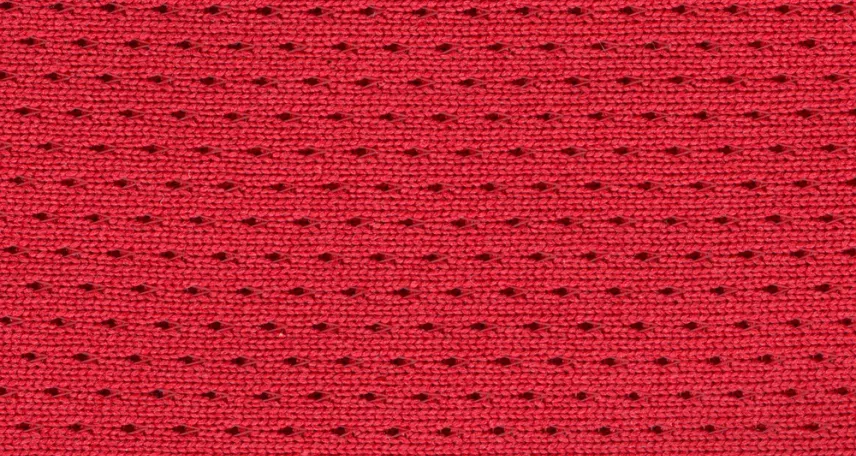
Its production consists of treating polyester to have significant technical breathability properties while maintaining warmth. To make it voluminous and soft, it requires a special knitting process. In addition to polyester, other fibers such as polyamide, acrylic, and elastane can be added.
It is affordable, wrinkle-resistant, and non-shrinking, but while warm and breathable, it does not block wind or rain.
Used in many different sectors, you can also find it in fabric packaging and as clothing or accessories for high mountain and trekking wear.
Nylon
Nylon is among the oldest synthetic fibers. Soft and durable, it appears as a very thin “filament.”
Primarily derived from petroleum, it can also be blended with other fibers—natural or synthetic—to make it waterproof.
Its first uses date back to the 1930s. It became famous mainly for women’s stockings, but—as happened with many technical fabrics—it was later introduced in various other sectors, including fabric packaging.
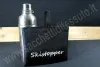
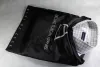
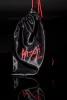
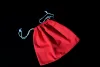
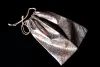
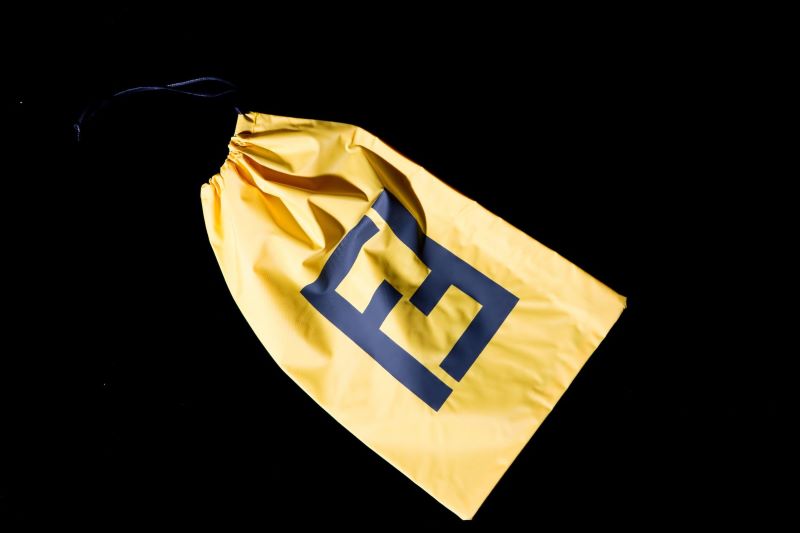
In our catalog, you can find a great selection of nylon bags, such as this colored and waterproof model, ideal for containing garments, sports shoes, or leather goods.
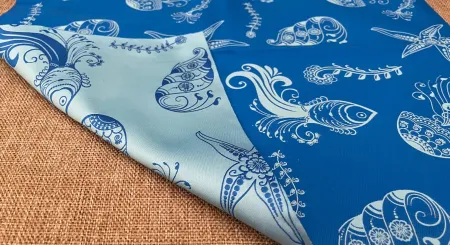
The fabric allows graphic customization through screen printing technique: ideal for creating packaging that reflects the company image with a clear, durable, and smudge-free visual effect.
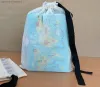
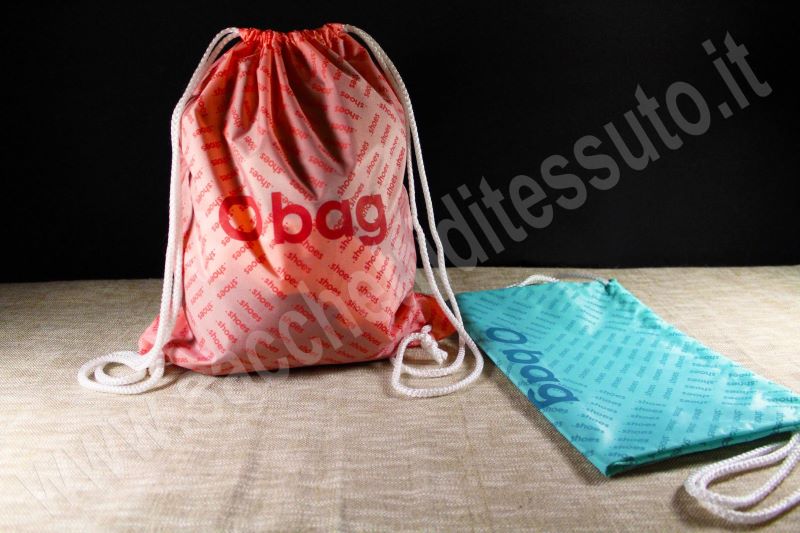
This waterproof nylon polyester shoulder backpack is designed for those who prefer the convenience of wearing it on their back, with the option of continuous logo printing customization.
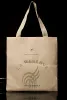
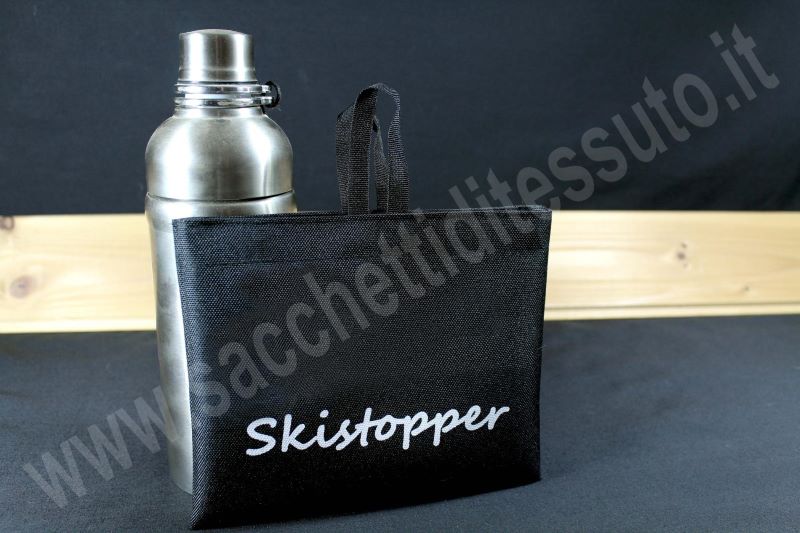
Finally, there is also a shopper version, black and also in nylon, waterproof and cut-resistant, with grosgrain handles for comfortable carrying of any accessory.
Lycra
Lycra—or elastane—is a synthetic fiber made of polyurethane which, although it appears as a single thin thread, is actually composed of many very fine filaments.
Its production uses multiple yarns together, both natural and synthetic. Its main qualities include:
- softness
- elasticity
- quick drying
- easy customization through fabric printing
- good fabric uniformity
Initially used for swimwear and to add elasticity to fabrics, it quickly found use in many other sectors.
Technical fabrics are durable and comfortable, but there are more ecological alternatives: bags in natural fabric
Technical fabrics have many desirable properties but are not natural fabrics due to the presence of artificial substances and production processes that are not always environmentally friendly.
However, sustainability is a feature increasingly sought by consumers: what they buy—including the packaging—must be safe for health and for the environment.
Technical fabrics are safe, but what alternatives exist for those who prefer greener solutions?
Well, there are bags in certified natural fabric!
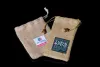
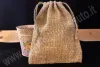
Hemp, cotton, jute, bamboo, and linen are the most well-known fibers: natural, 100% biodegradable, ecological, recyclable. Of course, it is necessary to ensure that the entire lifecycle of the chosen fabric bag is sustainable, starting from cultivation, which must not be intensive, through sustainable processing, and until its recycling.
For example, the cotton we use in our bag manufacturing company is sourced in Italy and woven with Oeko-Tex® certified yarns that guarantee the reliability of plant origin and respect for the environment.
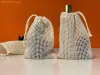
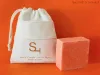
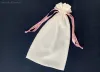
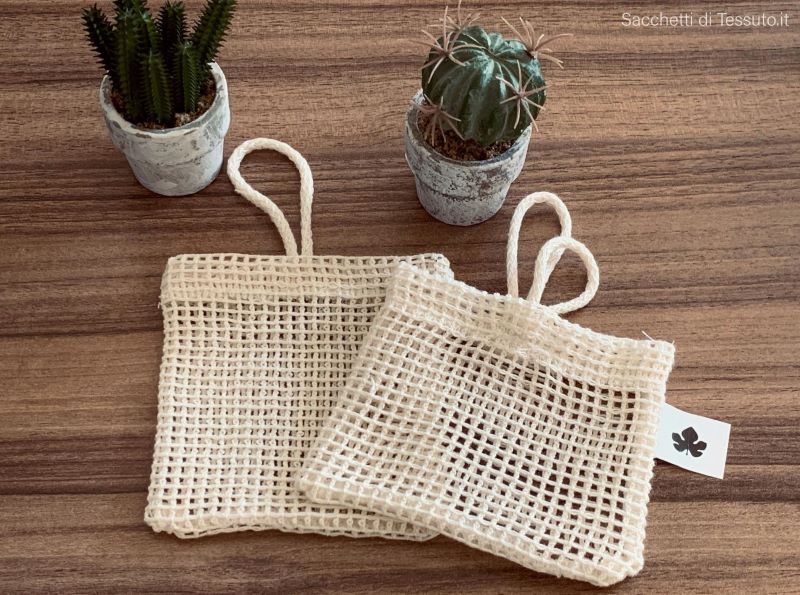
Look at these net bags suitable for makeup and soaps, as they are safe for product storage and human health.
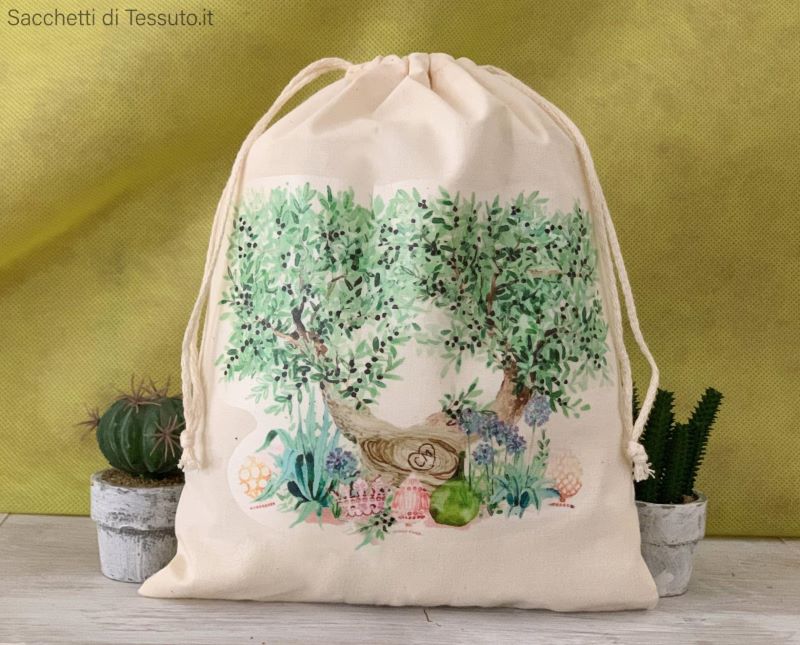
This ecological natural cotton bag is also Oeko-Tex® certified and customized with four-color transfer printing.
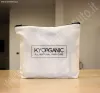
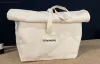
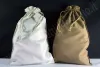
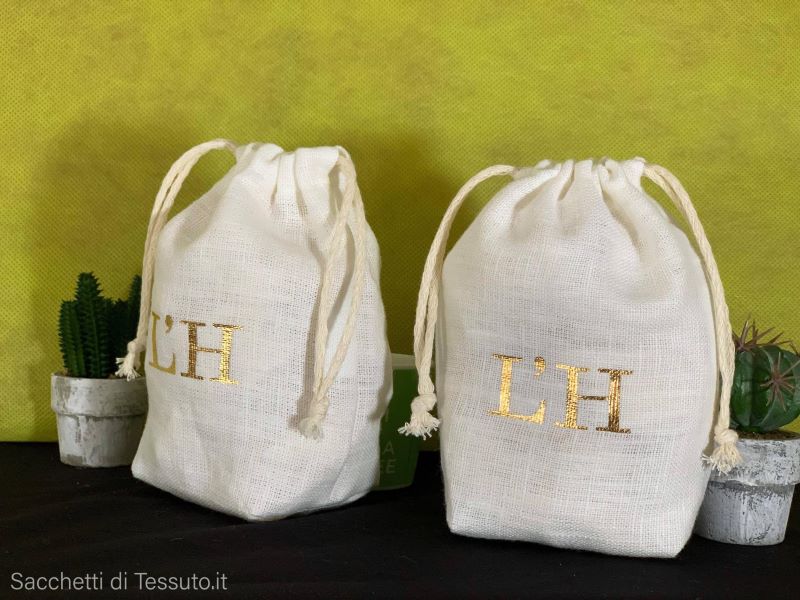
Finally, here is another ecological bio bag from our collection, in pure white linen, with a convenient drawstring closure. Soft and elegant, you can use it as a pouch to contain cosmetic bottles, small makeup items, and various accessories.
Your personalized packaging in every detail
Do you want packaging with your logo like the examples in this article? We can help you create a fully customized fabric bag: we will assist you in choosing the shape, color, accessories, fabric, and the best printing technique for your needs.
Contact us!