


































In questo articolo
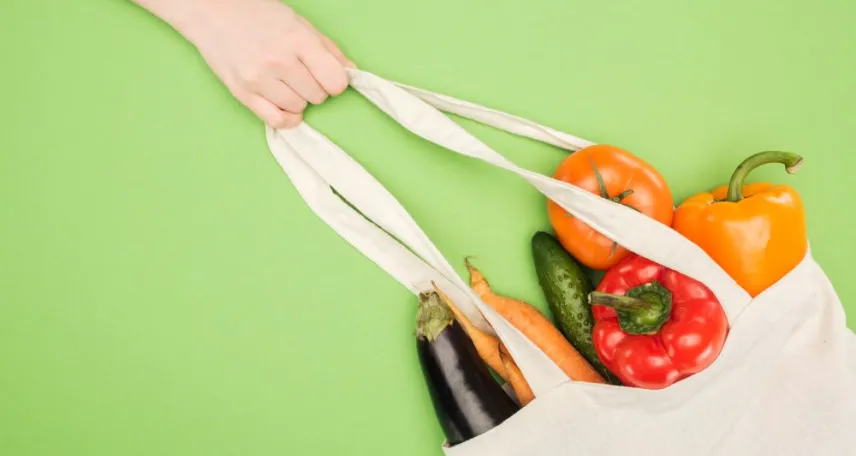
With a view to better safeguarding the planet, people are much more attentive when making their purchases. Following this trend, consumption patterns are also changing: Italians want green packaging and the number of those—both companies and individuals—who prefer to use ecological bags and pouches made from recycled or plant-based raw materials is growing, even better if made from natural fabric, to carry with them during their shopping or to offer to their own customers.
This is because reuse avoids waste and prioritizing packaging made from materials other than plastic (whose use, on the other hand, has a negative environmental impact) are choices capable of triggering a change: new lifestyles embracing good green practices.
What is sustainable packaging? A definition
Sustainable packaging refers to all packaging made with natural, recycled, or renewable materials that allow for a second use. Whether it is a container for food, for carrying groceries, or for a store purchase, the fundamental concept is the same: minimize waste, recycle, and reuse the same container as much as possible.
The negative environmental impact of packaging is considerable, especially when it comes to single-use plastic bags and packaging, as revealed by the study Plastic Waste Makers Index produced by the Minderoo Foundation, an independent Australian philanthropic organization.
For this reason, more and more people are adopting good environmental practices. This happens both on the part of consumers, who prefer to buy low-impact products, and on the part of companies, also encouraged by recent European regulations governing plastic use.
It is also important to specify that packaging is sustainable only if throughout all its phases, from design to production, the environmental impact is considered, minimizing carbon emissions during production and extending the product's life cycle.
Recyclable is not compostable
When discussing environmental awareness and respect for nature in the packaging world, the difference between sustainable packaging and compostable packaging is not always clear.
In fact, these are different products because they serve distinct purposes. Compostable packaging specifically refers to packaging made from natural materials that should break down without polluting the environment. Examples include the bags for fruit or vegetables used in supermarkets.
Recyclable packaging, on the other hand, refers to packaging that can be reused and given a second life. For example, fabric bags made from various materials such as cotton, linen, hemp, or jute. These can be used multiple times over time, both for shopping and as everyday shoppers, thus avoiding the use of plastic bags that would otherwise be discarded and dispersed in the environment.
At the core of this discussion is not only the use of different materials but also a new approach towards the environment and the world around us. Furthermore, every retailer can contribute to green efforts, from fruit vendors to clothing boutiques, by offering bags for food use, sustainable packaging for cosmetics or fashion, thus providing customers with an alternative to single-use bags. And, as you will see, the benefits are numerous.
Sustainable packaging: a trend favored by major brands (and beyond)
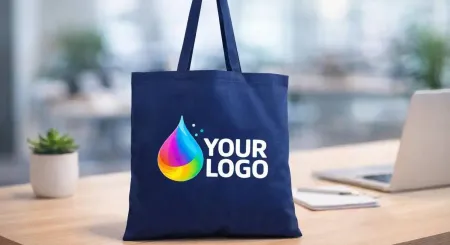
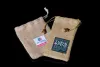
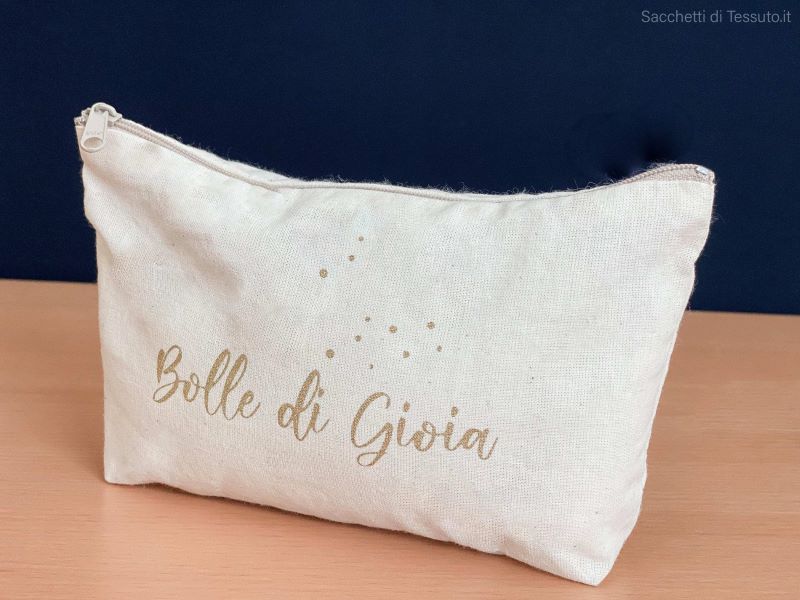
The advantages of sustainable packaging extend beyond environmental respect and are numerous on a commercial level as well. Brands can benefit from this choice because by creating interesting packaging that combines attractive colors, engaging graphics, and an eco-friendly fabric, the company is making a true investment in advertising. It can make its brand immediately recognizable and literally spread its name among the crowd by adding all its main contact details to the shopper, including the brand name, address, city, telephone number, website, and social media.
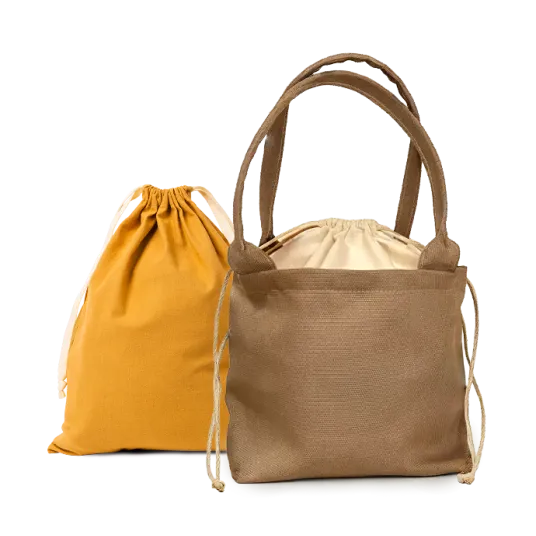
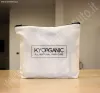
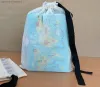
This explains why more and more brands, from large retailers (GDO) to luxury brands, offer shoppers, bucket bags with handles, or pouches so attractive that people are eager to carry them around, not only for shopping but as an accessory to complete their look, holding documents, wallets, or notebooks inside.
But the scope is not limited to shoppers only.
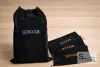
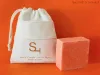
Sustainable packaging can also be used at the table and in everyday life: from reusable bread bags customized with the restaurant name to unique and special gifts, such as a set of cosmetics enclosed in a branded pure linen pouch. There are many opportunities to offer beautiful and reusable sustainable packaging.
All sectors have already recognized the many benefits of choosing sustainable materials to protect their products, and this will undoubtedly be the trend for the coming years. Additionally, adopting a sustainable packaging strategy means a company is taking a stand to defend the environment.
Sustainable packaging: which materials to choose
When considering the best materials for sustainable packaging, paper and cardboard might come to mind. However, these packaging types have some limitations: they break easily and can only be reused for a short time.
Certainly, fabric-based packaging offers many more possibilities and, besides meeting the needs of eco-conscious consumers, can be produced by companies that respect the environment even during manufacturing.
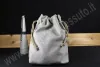
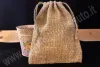
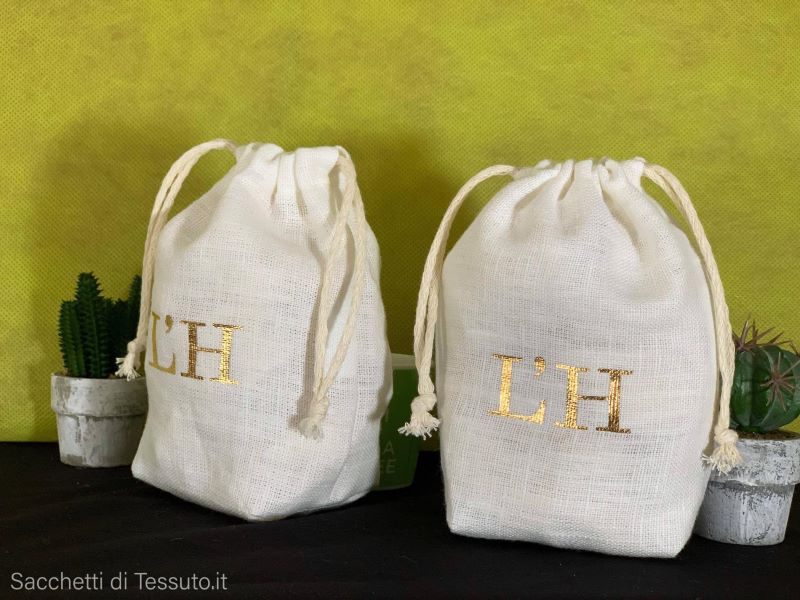
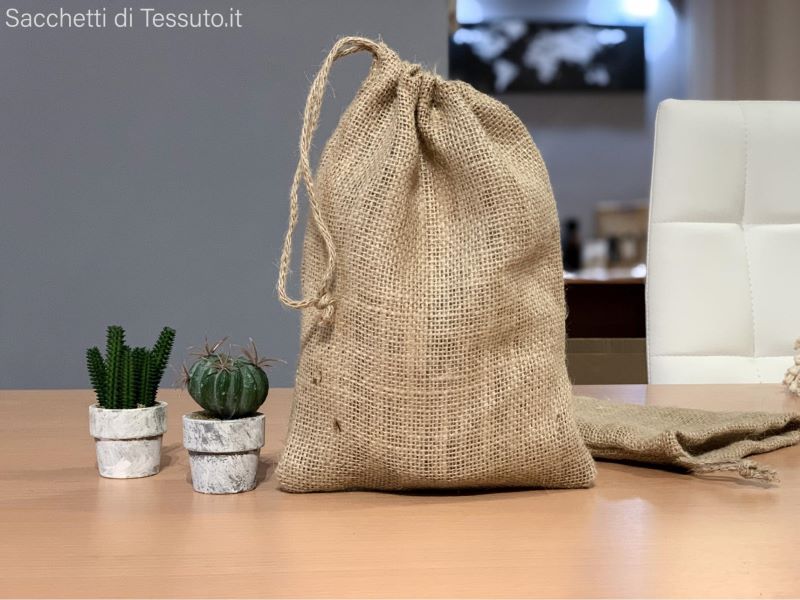
At Sacchetti di Tessuto, for example, we collaborate only with producers who follow green policies and use only the best materials available on the market. For our bags, we prefer natural cotton, jute, linen, or products like canvas (a cotton and fiber blend) and hemp, which is eco-friendly and very durable. All these materials can be used across various sectors: food, cosmetics, fashion, or office.
So which materials should you choose if you want sustainable packaging? Bio-ecological materials can be an excellent investment. We are talking about low environmental impact fabrics that are also very durable, such as natural cotton, pure linen, jute, hemp, which can be used to create comfortable shoppers, pouches, toiletry bags, or bags.
Materials with sturdy stitching, resistant to time and washing, and precisely because of these qualities, can be reused multiple times over the years. Moreover, by customizing them with text, graphics, or simply through color choices, packaging can express a more natural, rustic, shabby chic, or refined style, respecting the environment, the concept, and the brand's values.
How to use sustainable packaging creatively
Like many types of packaging, sustainable packaging can also be used with creativity. Once you have chosen the material that reflects your brand, it can be used not only to create the well-known shoppers but also bags and storage containers that can be reused later.
For example, if you own a restaurant, you can present bread and breadsticks inside sturdy custom bread bags made from ecological and washable materials. This way, you can place them on tables repeatedly, also providing an original touch to the environment. Another creative idea is to use linen or cotton packs to wrap a gift, customizing it, for example, with your store’s name. Whether it is cosmetics or food products, success is guaranteed, and the person receiving the gift can reuse the bag at home. Depending on its size and the natural material used, it can hold linen, makeup, creams or serve as a pencil and marker case.
If the bag is in a natural color or a melange gray, or even features white or gold lettering, it could also be an excellent decorative item for the home or perfect as a jewelry holder. Or it can be transformed into a scented potpourri to give as a gift or to leave a pleasant fragrance in a room.
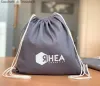
Whether pouches, bags with ribbons, candy-style or drawstring closures, or bags with handles, as you can see creativity knows no limits. After purchase or as a gift, bags can live a second life in many ways, such as flower pots holders, small handbags, for storing and protecting all types of footwear, or as document holders.
Additionally, custom bags can be a wonderful idea not only for stores and brands but also for couples looking for a different way to store wedding favors or for schools and sports teams aiming for a coordinated image. Every material can be adapted to suit one’s style, whether romantic, rustic, elegant, or sporty.
Would you like to discover Sacchetti di Tessuto’s sustainable packaging?
Browse our catalog and explore all our offers within the bio-ecological bags section. You will find cotton bags with drawstrings or cotton pouches to enhance your packaging: there are countless ideas!