












































In questo articolo
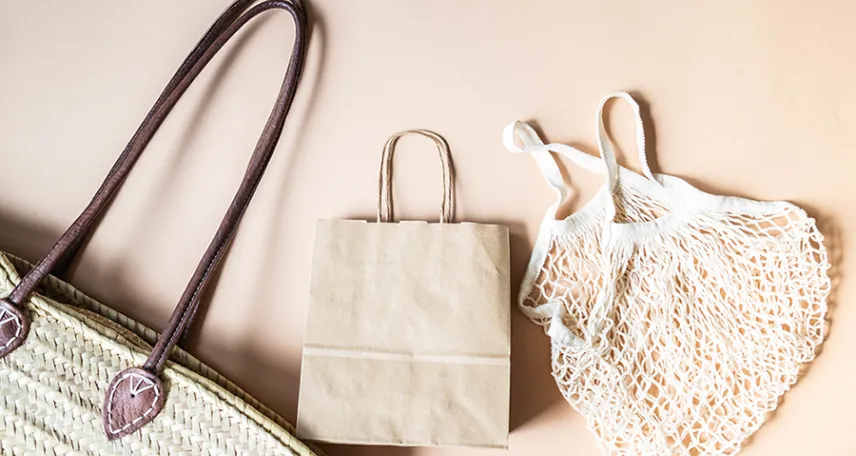
Driven by the increasing pressure from environmentally conscious consumers, single-use plastic bags have been replaced in recent years by more eco-friendly types of packaging. There are many varieties of green and plastic-free packaging, but the most commonly used are paper bags and fabric bags.
Paper bags are affordable and lightweight, and can be customized in design, handle type, and printed logos and graphics. Although they are not very durable, they can serve many purposes: for example, they can be used for very elegant and fashionable packaging. Luxury paper bags with refined and elegant designs can indeed be found for stores such as jewelry shops, optical retailers, and perfumeries.
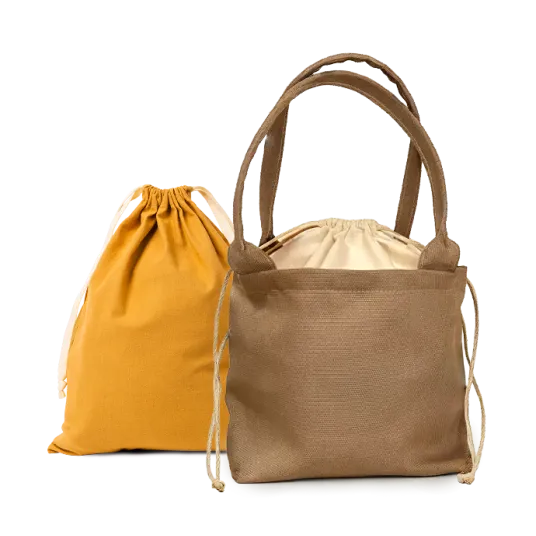
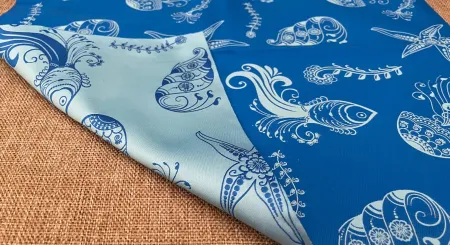
Fabric bags, on the other hand, are increasingly appreciated and used by those seeking packaging focused on ecology and sustainability. These bags come in various shapes and sizes, are versatile enough to carry anything, and can be customized with logos and texts of all kinds and combinations: drawstring closures or cotton tape, candy wrapper style, button closures, and more.
But which is preferable to use: fabric bags or paper bags?
Let’s examine in detail the major differences between paper bags and fabric bags.
1. Fabric bags are more durable than paper bags
Fabric bags are more durable than paper bags and can therefore carry heavier loads and better resist tearing and moisture. This also results in a much longer life cycle for fabric bags. Paper bags, however, do not offer the same durability. For the same size, they cannot carry as much weight as fabric bags and are more susceptible to tearing. For example, this is especially true for bags and pouches used for packaging gifts or small items. Choosing bags made of cotton or jute makes it much easier to handle heavy loads that would otherwise require large quantities of paper.

2. Fabric bags are waterproof whereas paper bags are not
When exposed to liquids or moisture, paper bags become unusable: they can lose strength, and items inside may become wet. Fabric bags, however, are absorbent, so accidents involving liquids and moisture do not compromise their usability. Even if stained, they can be washed and reused multiple times.
3. Fabric bags have greater elasticity
Fabric bags easily adapt to the items they carry, making them ideal for transporting any type of product from one place to another. Paper bags are much stiffer and could easily tear if sharp or angular objects are placed inside.
4. Fabric bags are more sustainable
The production of paper requires a large expenditure of resources both to recycle and to manufacture from raw materials, not to mention the excessive number of trees cut down for its production. Most textile fiber crops, however, are more sustainable. These plantations are not harmful to the soil and produce large quantities of textile material needed to make fabric bags that can be used for many years, unlike paper which deteriorates more quickly.