






























In questo articolo
The maintenance of fabric bags can cause quite a few headaches. After all, each type of fibre – from cotton to jute – has its own specific characteristics and requires particular care. However, there is nothing to worry about because it is enough to follow some simple rules to keep the fabrics intact and clean for as long as possible. This will also make it easier to use or reuse packaging that we already have at home for new purposes.
In this article, we will focus specifically on how to wash velvet bags, how to dry them, and how to remove any stains without damaging the texture!
Maintenance of velvet fabric bags
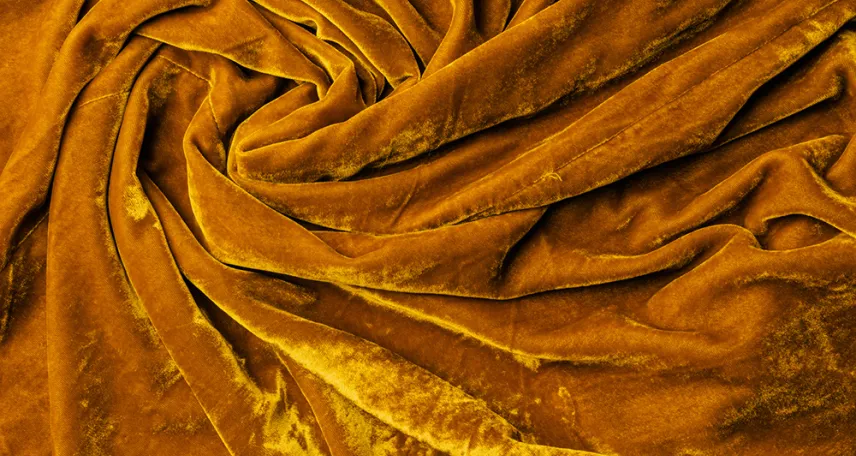
Velvet is a traditionally noble fabric, used both in clothing and furnishings, but also for accessory details and lingerie. Always a symbol of nobility, it originated in the East, particularly between Iran and Iraq, but it developed further in Italy thanks to the skills of Venetian and Sicilian artisans, the first to discover this treasure.
Since the Middle Ages, velvet has spread throughout Europe. At the time, it was used – combined with gold and silver – to make winter garments for the most noble families. It is a heavy fabric that today can be made from various fibres: silk, cotton, wool, rayon, and blends.
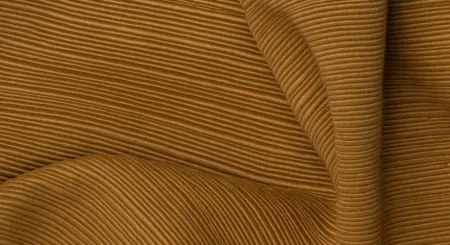
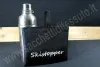
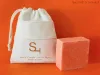
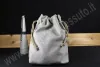
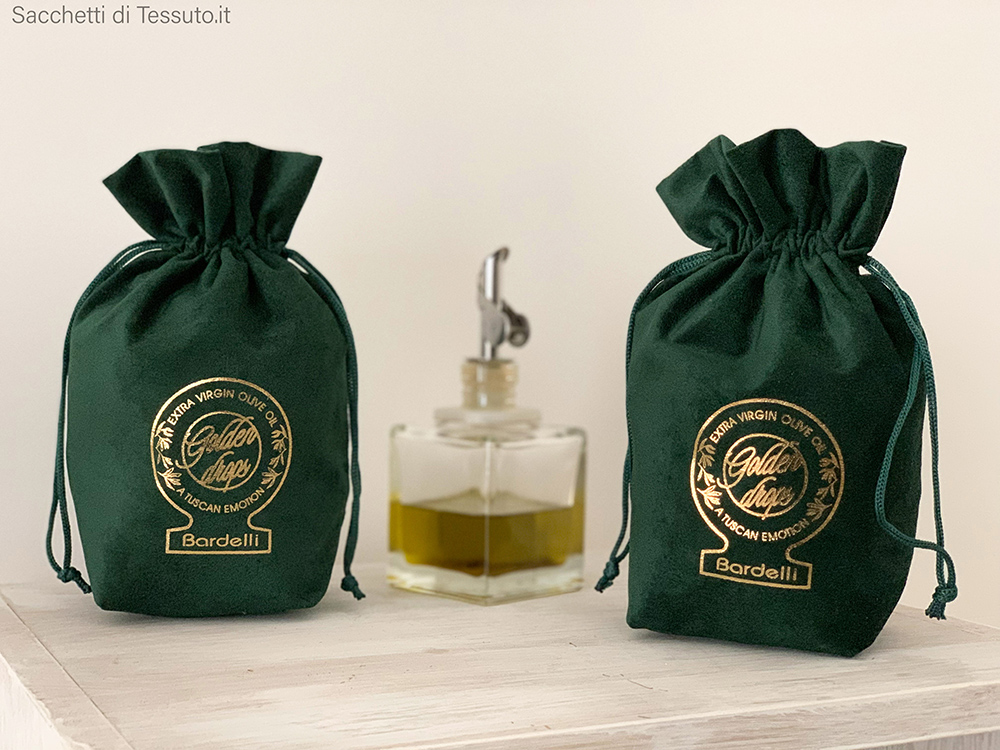
Velvet is used to make clothing, hats, ribbons, furnishings, but also fabric bags for storing delicate and precious items. For example, to package luxury makeup and beauty products, perfumes, or even bottles of high-end products as shown in the photo.
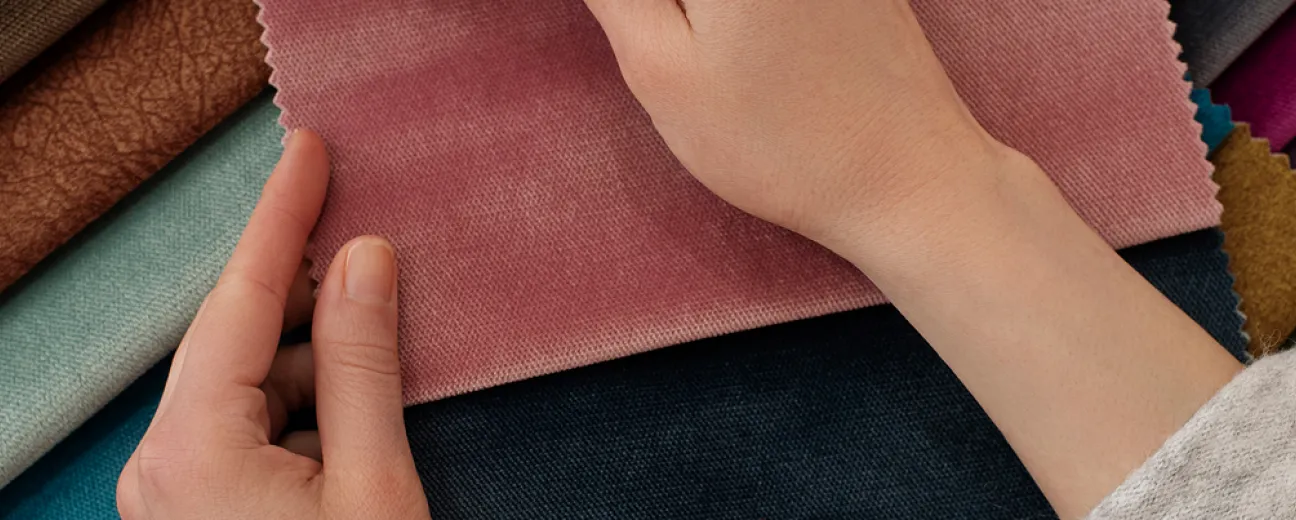
The main characteristic for which velvet is known is the pile that can be created in various ways, making it particularly soft and warm. But precisely because it is a precious material, it is important to take particular care with its maintenance.
Washing velvet fabric bags, or any garment, should not intimidate us: they can be washed either by hand or in a washing machine. After discussing how to wash linen and how to wash jute, here are some useful tips to follow. The first? Always read the label and follow the manufacturer's instructions! Some velvet items, in fact, can only be cleaned by a professional or dry cleaned.
Hand washing velvet
The safest way to wash a velvet item is definitely by hand. In this case, remember to never use hot water, which could damage the weave, and instead always use a gentle detergent, preferably natural.
You can leave the bag immersed in water for about ten minutes, rinse carefully to ensure all soap residue is removed, and then gently squeeze it and let it dry. It is also possible to pat the velvet with a towel to make the process gentler.
A useful tip is to always follow the direction of the pile so as not to damage the warp and weft interlacing.
Machine washing velvet
However, there is not always time to wash velvet fabric bags by hand. Fortunately, some types of velvet can also be machine washed. The first step is to turn the garment or bag inside out so that the pile faces inward.
You can then proceed with washing using a wool, silk, or delicate program not exceeding 30°. The detergent must also be suitable for this type of fabric, preferably natural; a few drops of wool fabric softener can be added, while spinning should be avoided as it would damage the velvet.
Finally, it is very important to wash the fabric separately. You can put several items of the same material in the drum – preferably of similar colours, separating light and dark – but do not overload it.
How to dry and iron velvet bags
As always with delicate fabrics, velvet also requires care during drying. The advice is to air dry garments or bags while still damp, preferably laid flat on a drying rack or hanging on a hanger.
If there is no outdoor or balcony space, you can also use the shower or bathtub to let the water drip without dirtying the floor. Once dry, you can take the fabric, spread it out with your hands while always paying attention to the direction of the pile, and store it in the wardrobe.
The tumble dryer may be too harsh and is generally not recommended, nor is ironing. If you notice particularly stubborn creases, you can try using a low-temperature iron with a natural cotton cloth placed between the heat source and the fabric. Again, be careful with the direction of the pile! Respecting it will help maintain its softness and appearance.
Removing stains from velvet
Velvet fabric can stain; in this case, it is not necessary to resort to washing (which, as we have seen, must be very gentle) but you can treat the stain cold.
If you accidentally spill liquid on the fabric, the ideal is to act promptly by immediately removing the stain with a soft cloth, tissues, or kitchen paper.
The advice is to gently blot the liquid, gently shaking the fabric as well so that the stain does not fix into the fibres and the dirt comes off quickly.
In the case of a dry stain, the goal is to remove residues as soon as possible. If possible, avoid using water on the velvet, while for large fabrics you can use a vacuum cleaner always following the direction of the pile. Alternatively, use a sponge to dab the stained area until the dirt disappears.
A “grandma’s” tip is to prepare a solution with plenty of lemon juice and two teaspoons of baking soda. Stir the powder until it dissolves and forms a foam. Then, with a clean cotton cloth, collect the foam (only the foam!) and gently and slowly rub it on the stained fabric area.
By following these tips, maintaining velvet fabric bags is straightforward.
Are you thinking about producing velvet bags to promote your brand? See the solutions we can offer you or your brand, browse our catalogue