









































In questo articolo
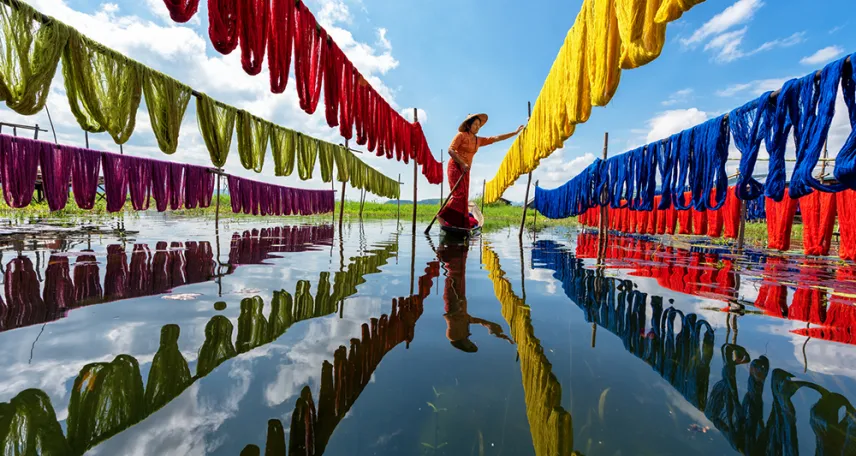
Dyeing is an ancient art, originating in India and practiced even before the construction of the Egyptian pyramids. The earliest dyes were spice-based and, once processed, allowed the coloration of fabrics. Over the centuries, significant progress has been made in dyeing techniques: initially, the processes relied on natural substances, whereas today they are chemical. Additionally, while textile dyes in ancient times were only applied to natural fabrics such as cotton fabrics, linen, wool, and silk, nowadays there are no fabrics that cannot be dyed.
Modern textile dyeing is understood as an operation, mostly chemical, that allows for adding or changing color to various materials—not only textiles—through a liquid bath in which specific dyes are dissolved.
The materials to which this operation can be applied are many: ranging from leather to hides and wood, but the sector where the technique is most widely used is certainly that of textile fibers, which includes textile packaging, fashion, and generally all sectors connected to fabrics.
How has the practice of fabric dyeing developed over the centuries? Let’s take a look at the history of dyeing.
How dyeing practice has evolved
No direct evidence has been found, but as noted on the Treccani website, there appears to be no doubt that fabric dyeing is an operation that originated in India.
From the 14th or 15th century BC, the Phoenicians gained fame as great dyers, for the quality of the dyes obtained from the Tyrian purple with which they dyed fabrics (mostly wool) of inestimable value.
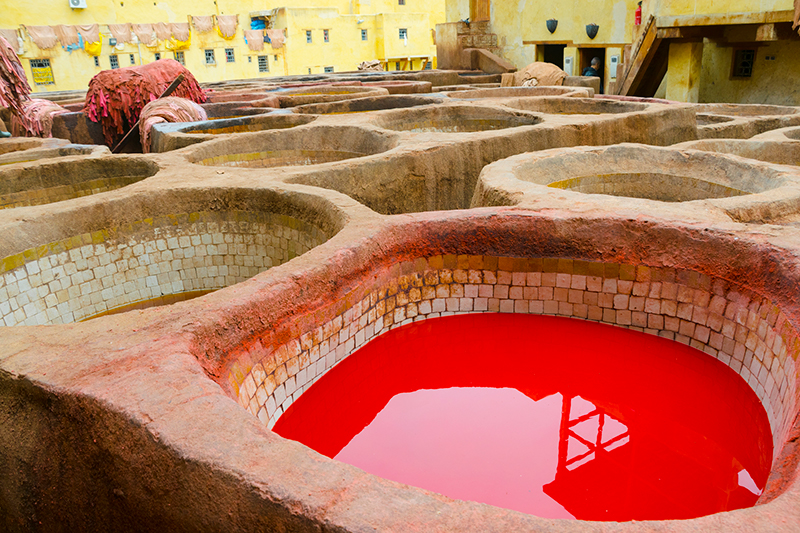
Also among the Egyptians, Greeks, and Romans, fabric dyeing was mostly natural, exploiting exclusively elements derived from plants, insects, and mollusks. For example, red color was obtained from animal derivatives: the dye was produced from a bath of color extracted from two different species of scale insects. In Japan, seaweed was instead used to dye silk, later employed for making kimonos, while in China the imperial court believed dyeing techniques should remain secret.
It was especially in Italy, after the Crusades, that fabric dyeing gained great importance within the textile industry. In the 1400s, Florence had as many as 200 dyeing workshops, which later spread also to France and England.
With technological advances, the dyeing operation evolved as well, thanks to new discoveries and especially early commercial trades, adding chemical substances to the natural ingredients and employing increasingly specialized machinery. It was particularly at the 1862 London International Exhibition that fabrics dyed with new dye substances, those derived from tar, were presented for the first time, marking the beginning of a type of operation much less ecological than in the past.
Current dyeing techniques
Today, yarn dyeing mainly occurs in two ways:
- piece dyeing: a fast and economical technique that consists of dyeing the raw fabric, which however delivers optimal results in terms of color durability and fastness.
- yarn dyeing: far better for color stability, thanks to the use of chemical substances that allow the color to penetrate deeply into the fiber, for longer-lasting results.
The most used technique is yarn dyeing, which involves various steps:
- first, a cycle that removes impurities that could affect the color
- then, the yarn is immersed in an alkaline bath containing dye substances capable of penetrating the fiber and activating chemical processes to fix the color
- at this point, the fabric must be washed to remove excess dye
- then comes the oxidation step which definitively fixes the color
- after 12 hours of oxidation, the textile skeins are dried with a centrifuge that removes the majority of the water
- finally, to give the fiber the proper moisture level, the skeins are treated with air jets or microwaves.
Fabric dyeing today
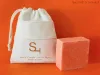
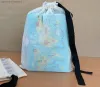
Fabric dyeing today is in demand across many sectors, primarily textile packaging, our reference sector as a fabric bag manufacturer, and fashion.
The dyeing process is actually still evolving, because modern textile dyeing operations face strong criticism, both due to a carcinogenic component contained in the dyes of clothing distributed by some major brands and due to the coloration process employed by the textile industry, which is extremely harmful to the environment due to poor management of tar extracts and derivatives.
Today’s consumers are particularly attentive to a sustainable lifestyle to safeguard their health and that of the planet, which is detrimental especially to the fashion sector that uses tons of water and chemicals for dyeing processes, making it one of the most polluting industries.
The textile packaging sector is more fortunate, having been born precisely from the desire to propose a more ecological and sustainable type of packaging. Here, the production processes—for instance, for fabric bags for cosmetics and beauty, for TNT bags for footwear and leather goods, or for customized bags for jewelry—always maintain a focus on the environment, ensuring processes are ecological and respectful not only of nature but also of consumer health.