


































In questo articolo
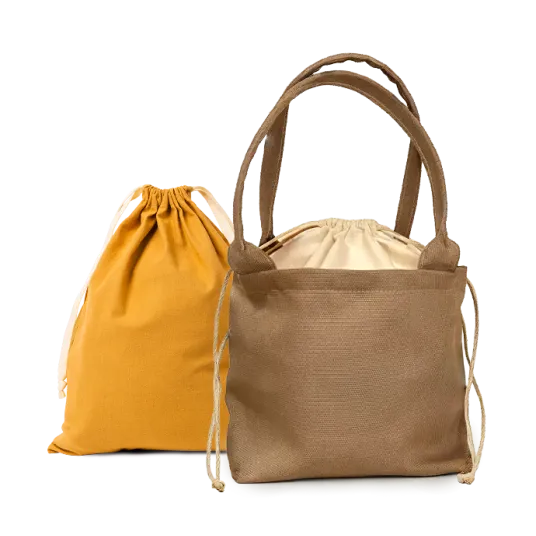
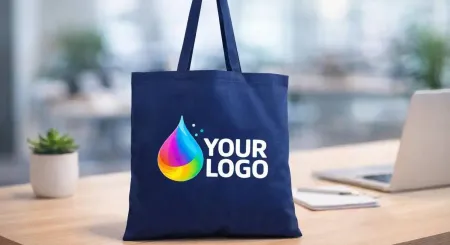
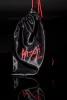
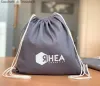
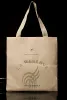
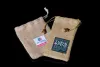
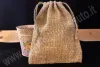
Can good packaging increase the perceived value of a product? Yes, and it can do even more. It can instantly communicate your brand's values, not only through colors and images but also through the materials chosen for packaging. Perceived value is the sum of strategic, marketing, and communication choices. Everything contributes to defining it: from the in-store or online shopping experience to the product use, from social media posts to the packaging that protects your items. Choosing an eco-friendly packaging option, such as a custom cotton fabric bag, instead of plastic packaging, can make a significant difference if your target customers are sustainability-conscious.
Packaging communicates your values
Packaging is part of the product. It is the first thing customers see when they buy from you. Since the first impression counts, choosing packaging that communicates is the first step to increasing the perceived value of your products and is essential for your Branding strategy. The market is saturated; consumers are increasingly informed and attentive to the value of each purchase. If they identify with the brand—if the product they buy is not just a product but addresses their deeper needs: belonging, security, self-realization—they are also willing to pay more and recommend it to others. Therefore, every aspect of the product matters. There is functionality: the product meets your customers’ needs and must live up to their expectations. There is emotional value: buyers invest because they believe that product will improve their lives. Finally, there is social and environmental impact. The environmental and social impact of a product is an aspect that can no longer be overlooked. People know their consumption choices influence brand decisions, and many today demand concrete commitment from companies. It is no coincidence that organic, plastic-free, and cruelty-free products are achieving widespread success among consumers. For this reason, many brands, big and small, are focusing on fabric packaging or packaging made with other eco-friendly materials.

Every sector requires specific packaging
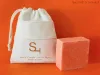
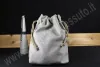
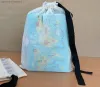
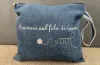
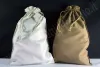
The perceived value of packaging is a crucial element in the purchasing experience. Historically, a product with durable packaging, an appealing design, and quality materials is preferred over others, but there is no perfect packaging solution for every occasion. Each sector has its specificities, and each company has its style. For example, a cosmetics company must comply with strict quality standards and therefore choose durable packaging capable of preserving the product’s properties for an extended period. Plastic and paper are among the most common materials, but if a brand has made eco-sustainability one of its core values, it might prefer alternative materials and produce fabric bags and pouches for cosmetics and beauty free of plastic, such as satin bags or cotton pouches and other natural materials like jute and linen.
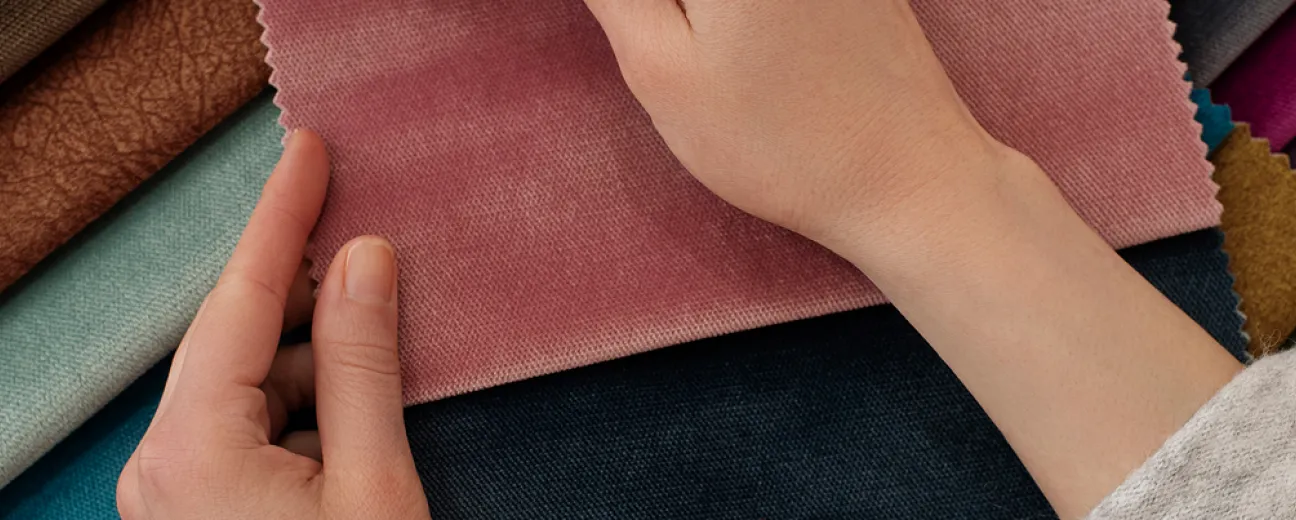
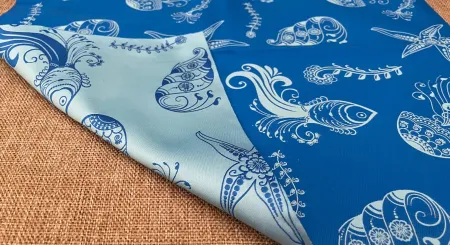
A fashion company, on the other hand, requires elegant packaging made from high-quality materials to protect clothing and accessories. Satin, velvet, cotton, and felt are fabrics commonly used in the sector, especially as bases for jewelry bags and fashion bags. In the food sector, packaging must be made from non-toxic materials but at the same time help the brand distinguish its products from others on the same store or supermarket shelf. Once again, the choice of colors, shape, and material is fundamental.
The best packaging should be durable and sustainable
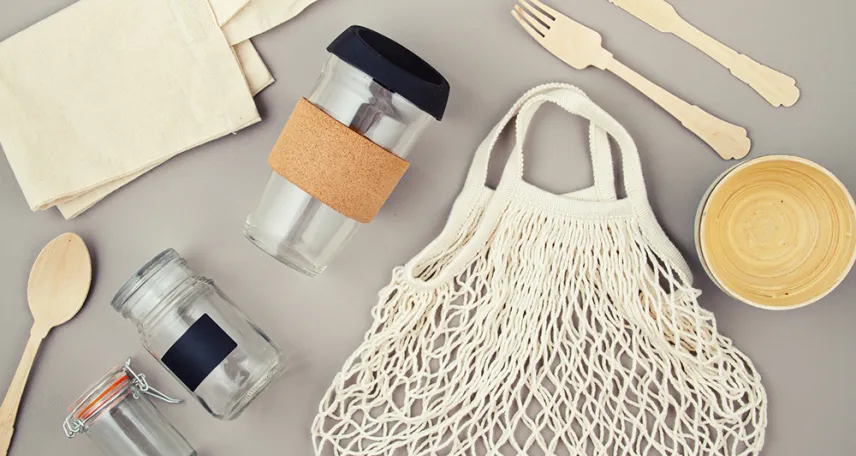
Hemp, jute, linen, canvas, bamboo, and cotton are all materials that can replace plastic because they are equally durable and versatile. Choosing alternatives to plastic does not mean compromising product quality or limiting customization options. On the contrary, the packaging industry is increasingly investing in eco-friendly packaging, a choice confirmed by consumers, as also demonstrated by the market survey conducted by Boston Consulting Group for Exal on the “Quantification of sustainability’s impact on consumer goods purchase decisions.” According to the study, approximately 47% of respondents are willing to pay at least 5% more for eco-friendly packaging.