





































In questo articolo
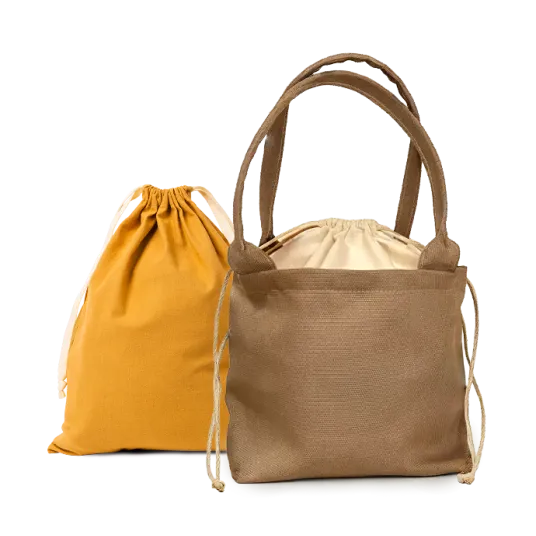
Ecological, versatile and durable, natural fabric packaging is increasingly chosen by both large and small companies instead of paper and plastic bags. The advantages of this choice are numerous, ranging from an ethical shift in fiber production to the possibility of often reusing bags, pouches and shoppers in an original and versatile way, thereby positively impacting the environment and contributing to reduced pollution.
However, not all yarns are equal, and today, a clear distinction exists between natural and synthetic fabrics. Generally, natural fabrics are made from plant-based fibers, while synthetic fabrics originate from chemical processes. There is also a middle ground, the artificial fabrics, where natural raw materials are transformed into fibers through some chemical processes.
In this article, we will specifically examine what distinguishes natural fabric packaging from synthetic, and what the main differences are. This way, you can choose the best fabric packaging based on your needs, perhaps also considering environmental concerns!
The advantages of natural fabric packaging
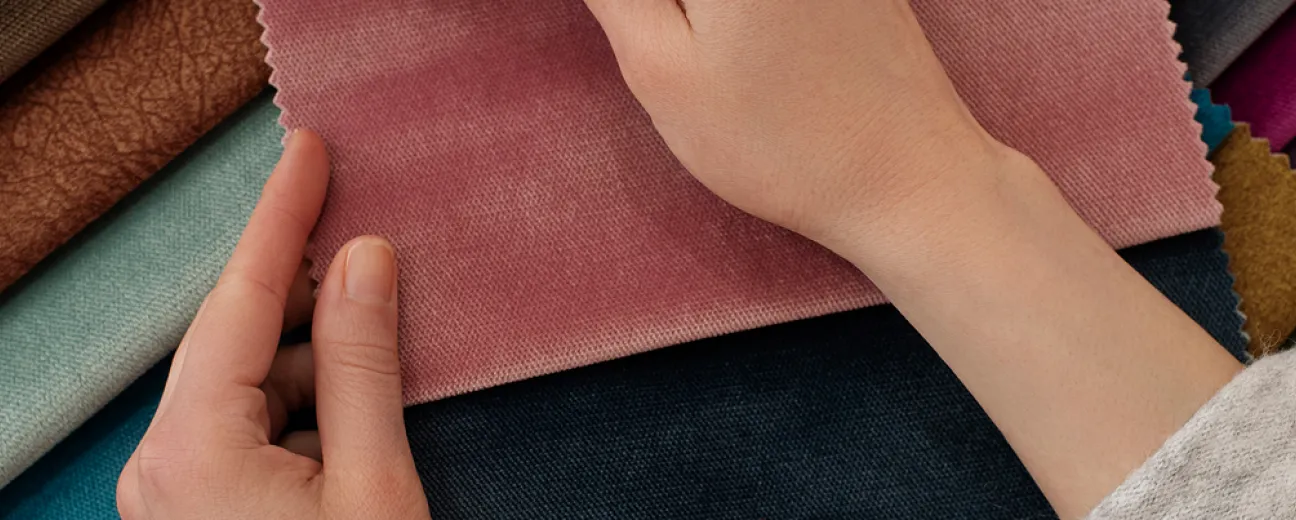
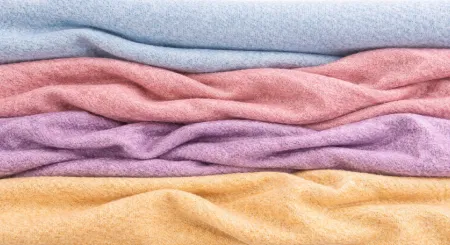
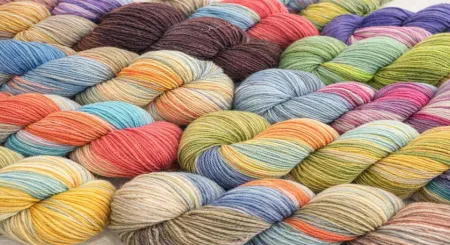
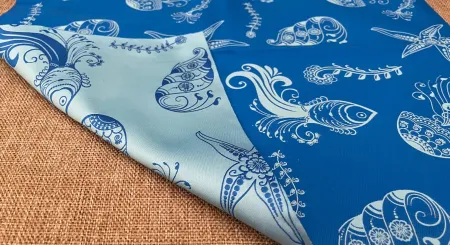
Natural fabrics are among the oldest and most widely used in the world. They are usually classified by their origin, distinguishing between plant-based fabrics, if derived from plant fibers; or animal-based, if the fibers come particularly from the hair of some animal. In the first category we find, for example, cotton, hemp and linen; while the second group includes fabrics like wool and silk.
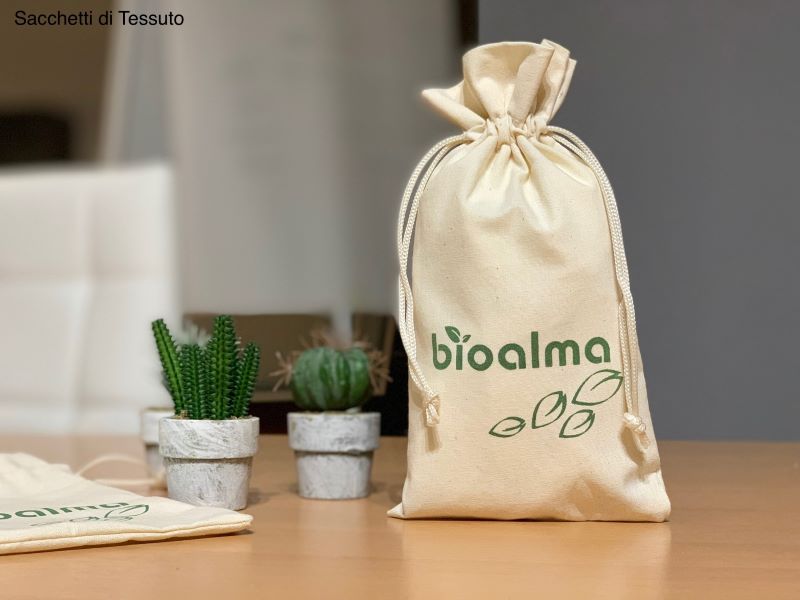
Generally, natural fabrics are lightweight, soft, breathable, biodegradable and very durable. Their production involves no toxic substances nor chemical processes harmful to humans and the environment. For this reason, they are ideal as food containers or as valuable wrapping for clothing, footwear, cosmetic bags, or as everyday shopping bags.
Moreover, if they get dirty, they can be easily washed by following certain care instructions on the product label, which indicates the correct water temperature for washing and whether or not to use the washing machine spin cycle. Certainly, natural fabric packaging has a higher cost compared to synthetic fabrics, but the quality is indisputable.
A natural product to respect the environment
Since no chemical processes are used to transform the fabric, and given their green components, the use of natural fabrics has a positive environmental impact that also affects the reduced distribution of plastic bags and packaging.
Consider that, according to a study to reduce environmental plastic pollution by the global nonprofit research organization World Resources Institute, every year 8 million tons of plastic end up in the ocean. This endangers aquatic wildlife and pollutes ecosystems. Therefore, choosing natural materials over synthetic can positively change the future of the environment and people's lives.
To ensure you purchase an ecological bag and that your commitment is meaningful, it is always best to verify certification. Fabric bags bearing the labels OEKO-TEX® and GOTS, for example, indicate that the materials and production have a low environmental impact and that no labor exploitation occurred during manufacture. Such products are therefore sustainable.
However, opting for natural fabric does not always mean making a vegan or cruelty-free choice. For example, silk processing involves not removing the silkworm from the cocoon.
Synthetic fabric packaging: cheaper but more polluting
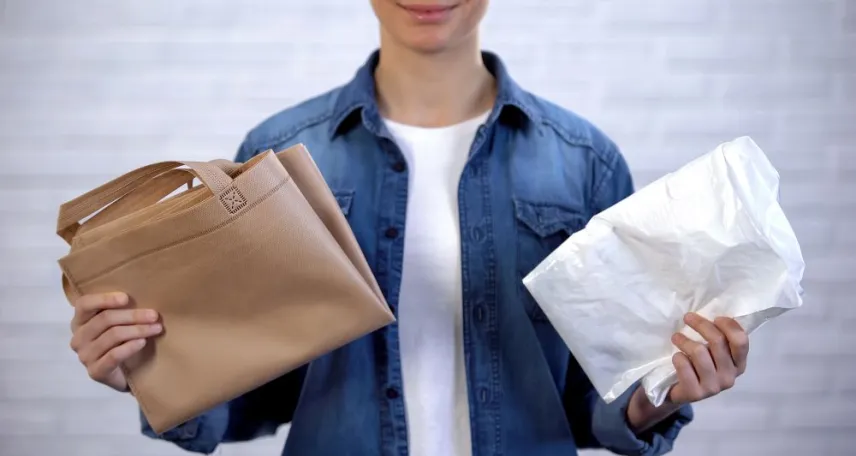
Synthetic fabrics do not exist naturally but are entirely man-made through chemical processes. They usually include fibers such as nylon or polyester that derive from petroleum, used not only in packaging but also for producing bags and some low-cost clothing.
Due to their composition, they are poorly breathable and, especially for clothing, may cause allergic reactions in people with sensitive skin.
They are certainly very resistant to weather and durable over time, but precisely because of these characteristics and their laboratory production, they are harmful to the environment because they are very difficult to dispose of.
Furthermore, synthetic fabric packaging is often used at home as storage containers or cosmetic pouches. When washing, it should be remembered that these products release polluting microplastics that eventually reach the sea.
Artificial fabrics, the middle ground between synthetic and natural
This classification also includes artificial fabrics. These products are made by combining natural or plant-based raw materials (such as bamboo, for example) with chemical processes to make them more durable or versatile.
They are yarns where some qualities of natural fabrics are maintained, such as durability and breathability. Compared to natural fabrics, due to chemical processing, they have lower production costs and, compared to synthetic fabric production, they have a more positive environmental impact.
Among the most well-known artificial fabrics are EcoVero, viscose, modal and lyocell.
Companies that have so far used synthetic packaging are recently moving somewhat closer to these fabrics as they are less expensive than natural ones and a bit more ecological. Still, they cannot replace natural fabrics which remain the preferred choice for brands wishing to communicate an environmental sustainability message and for the eco-conscious consumer who respects the Earth.
Differentiating natural from synthetic fabrics: learn to read the label
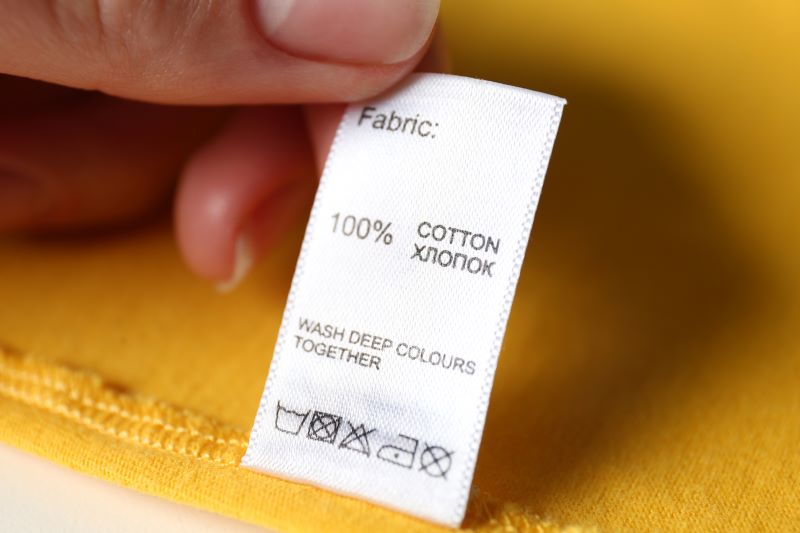
One good habit to adopt for making an informed choice and selecting the right fabric packaging is to learn how to read product labels. They indicate the exact composition and any certifications. Labels are usually found on an inner side of a shopper, bag or garment and also provide washing instructions. If labels are absent, the composition is printed directly on the material, as is the case with plastic shopping bags.
How to read the label
The label can be considered the identity card of a product and by law—specifically according to EU Regulation No. 1007/2011—the exact composition of fabric packaging must be stated. For example, when a product is made from a single yarn, it will be indicated as “100% cotton” or “100% linen.”
For blended fabrics (i.e., not made exclusively from a single material such as hemp or cotton), the yarns are listed in descending order. Thus, the yarn present in the highest percentage appears first, followed by those in smaller amounts. For example: cotton 90%, polyester 10%.
For clothing—and not only—other useful information is included on the label such as a guide for proper fabric washing, which with graphic symbols indicates whether hand wash or machine wash is allowed, suitable temperatures, and the possibility of using a spin cycle and ironing.
Finally, if you choose a natural fabric, check for the presence of certifications such as OEKO-TEX® and GOTS, meaning the production and materials have low environmental impact. At Sacchetti di Tessuto, for example, we use Italian raw cotton, made with yarns certified OEKO-TEX®.
Want to discover Sacchetti di Tessuto fabric packaging?
As you have seen, choosing ecological and sustainable fabric packaging is possible. Browse our catalog and explore all our proposals divided by various fabrics. You will find bags made of raw cotton, jute or hemp that are 100% biodegradable, ecological, and recyclable!