
















In questo articolo
Linen is a plant-based fabric with a very ancient history. The Ancient Egyptians already used it to make the bandages for wrapping mummies, and since then it has been discovered suitable for many uses. Today linen fabrics are found in clothing, household linens, kitchenware, and also in packaging. This is because it is .
Like all natural fibers, it requires some care in maintenance. Having already covered the washing of cotton and hemp, this time we have gathered some advice on how to wash linen so that the fabric retains its valuable properties!
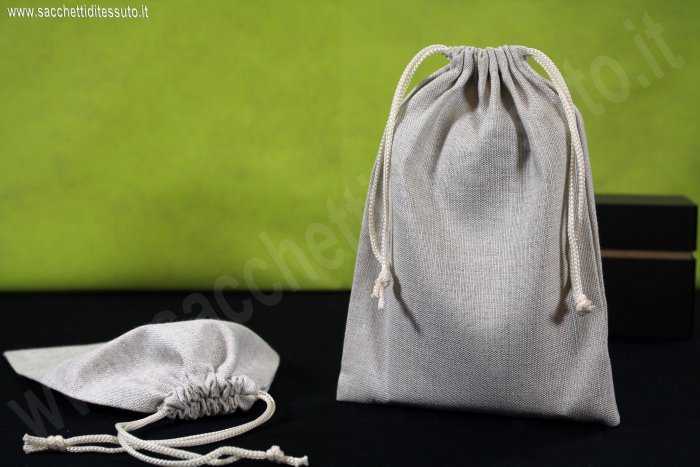
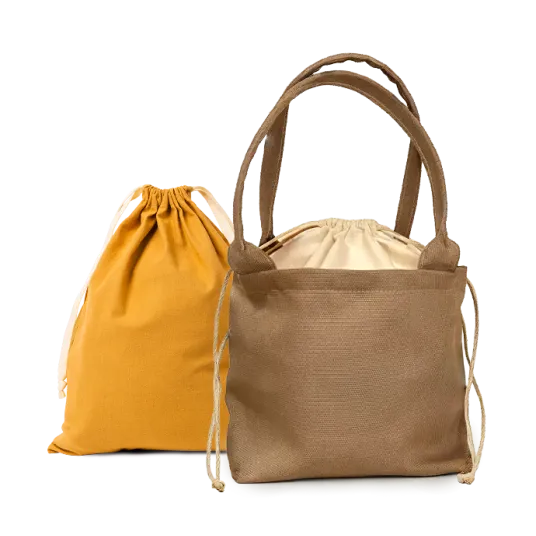
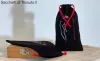
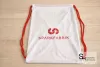
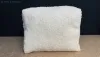
How to wash linen fabric bags
Linen, unlike cotton for example, attracts less dirt and therefore can be used or worn longer before washing. However, it wrinkles very easily, so if you need fabric that is always ironed, you must increase the frequency of washing.
The fact that it is a very strong fiber means it can be washed both by machine and by hand, depending on your preference, but be careful with colored fabrics! Linen bleeds easily, so it is essential to separate fabrics by color and during the first washes of a colored garment or bag, test by hand first. Simply soak a piece of the fabric for a few minutes and you will immediately notice how the water’s color changes.
Hand washing linen
To wash linen by hand, you need a basin, a mild detergent, preferably ecological, and warm water. Avoid bleach which damages fibers, while Marseille soap is perfect for treating stubborn dirt or stains.
This fiber is very strong, so hand washing is usually not necessary, but there are cases when it is preferable: for example, when you need to spot clean a precise area or if the fabric is custom with embroidery or printing.
Machine washing linen
The strength of linen means it can be safely machine washed. For whites, a standard 60°C programme can be used, while for coloured fabrics it is better not to exceed 40°C. In any case, be careful with the spin cycle: if too aggressive it can damage the fibers. The advice is to set a delicate spin or skip it altogether.
For curtains and linen upholstery fabrics requiring a deep wash, the temperature can sometimes be raised to 90°C. However, to ensure fiber durability, it is best to follow the instructions on the label.
How to dry and iron linen
Because linen bleeds easily, it is ideal to dry it inside out and never in direct sunlight. It benefits from fresh air but is negatively affected by humidity, so even indoors, it is better to hang it in a well-ventilated, not too humid space.
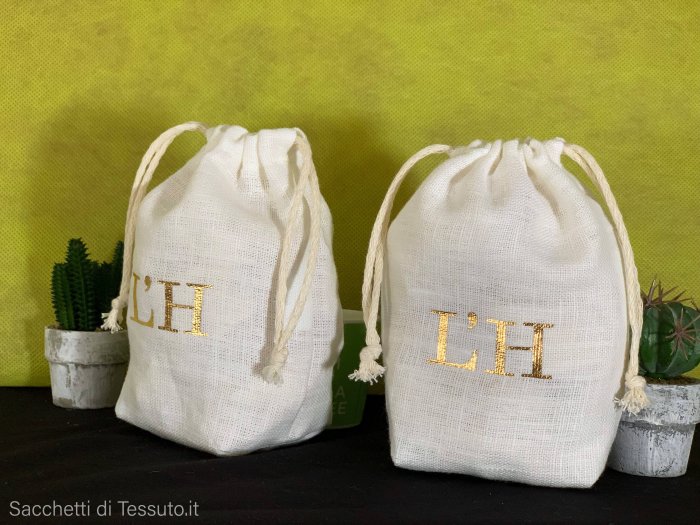
The ironing phase is crucial because it is a fabric that wrinkles very easily. The iron can be very hot and steam ironing is possible, starting on the reverse side then moving to the right side only if necessary and never if there are prints (hot foil stamping or screen printing) or embroidery that could be damaged.
To iron more easily, start when the fabric is still damp or dampen it deliberately. This way it will be easier to get your garment or bag perfectly neat and smooth in few steps.
What to do if linen yellows?
A problem with white linen fabric is that over time it tends to yellow. The damage may not be irreversible, and there are some "grandmother’s tips" to try. The first is to pre-treat the yellowed area with natural Marseille soap, leaving it to act for about an hour before washing, either by machine or by hand.
Alternatively, you can soak the fabric overnight in a basin with warm water, baking soda, and coarse salt. Another suggestion is to use fresh milk on the affected area: after applying it, let the fabric dry and only then carry out the actual washing.