












































In questo articolo
Packaging is an essential element in product sales; indeed, a well-packaged item always receives appreciation and admiration, and when carefully designed, product packaging can also become an effective advertising tool. Over the years, companies in the packaging sector have developed a wide variety of packaging products, exploiting the potential of very different materials. Among these, the most used are plastic bags, or those made of fabric, glass, paper, and cardboard.
But are we sure that all materials represent a truly ecological choice? Let’s explore the sustainable and ecological packaging solutions and why it might be useful to replace even paper bags with fabric bags!
Packaging and sustainability: the importance of reducing plastic bags
Plastic bags in particular are probably the most widely used packaging solutions because the countless facets of this material always attract attention. The flexibility of plastic is reflected in the colors of the prints. Its strength and waterproof quality make it a material capable of lasting a long time. Unfortunately, plastic packaging is rarely reusable multiple times. For this reason, most bags are discarded, increasing the dispersion of plastics and microplastics in the environment, particles that are harmful to the ecosystem.
In 2017, the UN declared that there are 51 trillion particles of microplastic in the oceans, which can also be easily found in the food and drinks we consume daily. For this reason, in 2018, the Members of the European Parliament approved a strategy to reduce plastic in the seas, and in the same year the European Parliament banned single-use plastic for certain product categories throughout Europe.
Therefore, many consumers prefer to purchase products packaged in more sustainable packaging that pollutes less. Among the most used alternatives stand out recycled plastic, paper, and fabric bags.
Paper is much appreciated for its charm, evoking distant memories of letters, calendars, books, and diaries to which we remain emotionally connected. For this reason, paper bags are often carefully stored and kept as if they were pieces of our history not to be lost.
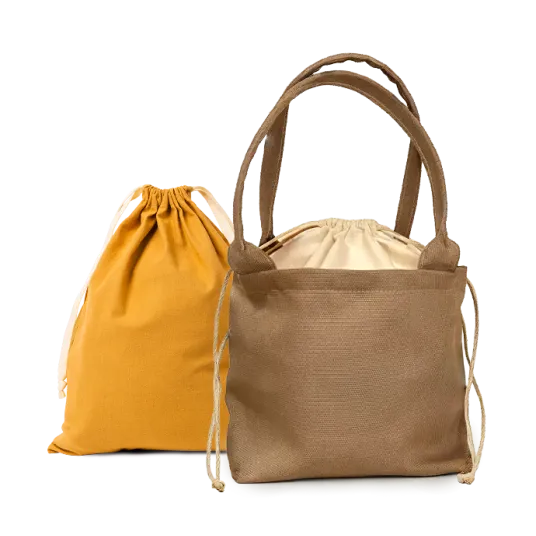
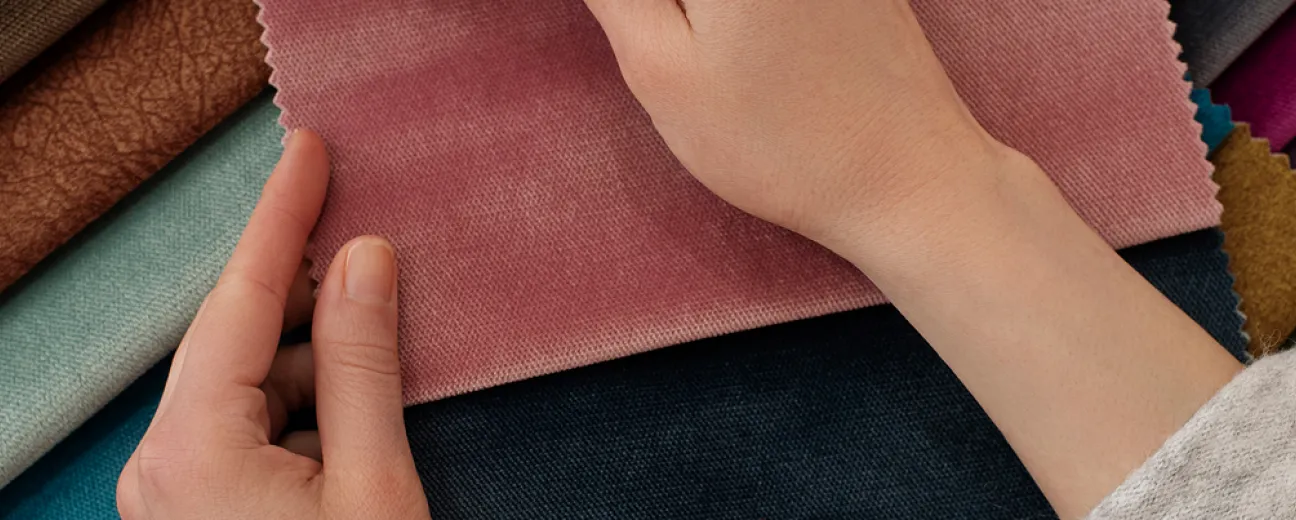
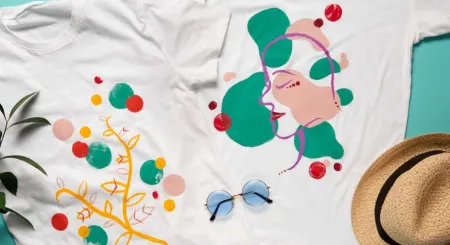
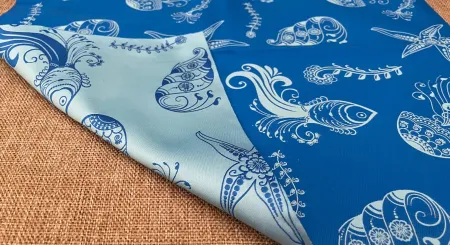
Fabric and textiles made from natural fibers have been increasingly appreciated only in recent years because they are ecological and allow the production of custom bags in all possible color and print variants. Pleasant to the touch and durable, they are also used to store small keepsakes accumulated over time.
Paper or fabric: which material to choose? Here are 5 good reasons to prefer fabric bags over paper bags.
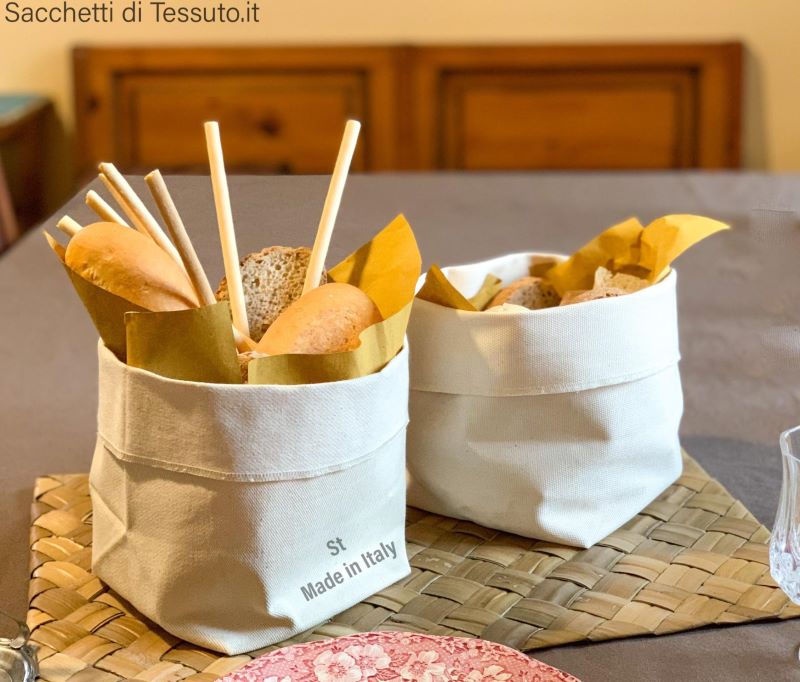
1. Paper bags are damaged by water, fabric bags are not
Water represents a great threat to paper bags because when they come into contact with a damp or wet surface, these packages can lose their strength and absorb moisture. At that point, the items inside may also become wet. Moreover, a paper bag, once damp, tears and becomes unusable.
On the other hand, the fabrics used to produce bags, such as cotton or hemp, are usually very absorbent or at least resistant to water, moisture, and other liquids. Therefore, even if they are not completely waterproof like plastic, they protect the contents well and can be washed multiple times to remain clean and reusable.
2. Paper bags tear easily, fabric bags much less so
Fabric bags rarely tear and can withstand heavier weights and impacts than paper bags without bending or breaking. Tears can also be easily repaired by sewing. Paper bags, in contrast, tend to wear out, crease, and tear easily.
3. Paper bags are less durable and less suitable for processing compared to fabric bags
Paper bags are less durable than fabric bags; for example, they may tear during processing, resulting in material waste, or get jammed in machinery, and at the end of processing, they may have defects compromising their design or use.
Fabrics, however, are much more robust and also versatile. Thanks to these characteristics, it is possible to produce bags of various types and sizes, with prints and colors more durable than those on paper, suitable for many contexts. A curiosity: there are even natural cotton bags designed to hold books, protecting paper objects like books that can easily be damaged.
4. Paper bags have a short lifespan, fabric bags last for years
Paper bags do not last long. Prolonged use and moisture reduce their strength over time, making them unusable. Fabric bags, on the other hand, have a longer lifecycle because they are more robust: they can carry heavy objects without damage, can be washed and reused multiple times, and tears can be sewn up. Moreover, with the same size, a fabric bag supports heavier weights than a paper bag.
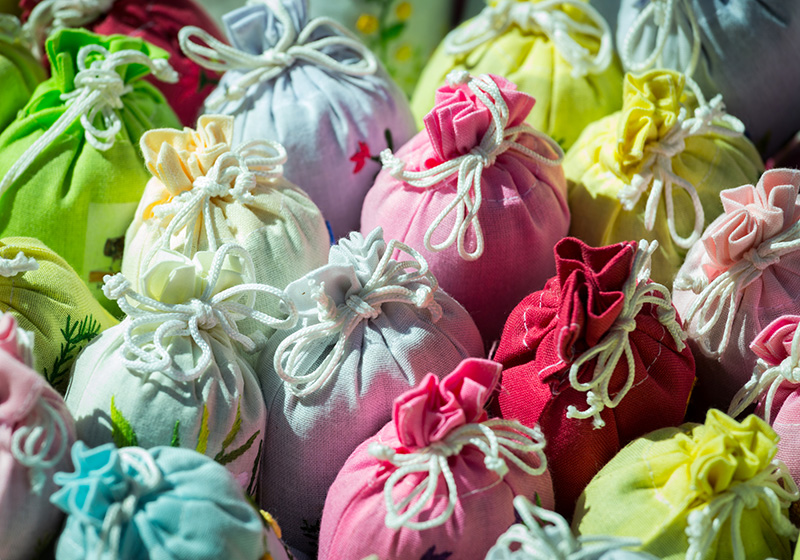
5. Paper bags cannot be washed, fabric bags can
An important difference between paper bags and fabric bags lies precisely in that the former, after some use, start to wear out, losing color and when stained are difficult to clean. Fabric bags, instead, are washable and can therefore be used for much longer.
For example, a fabric pouch for soaps, cosmetics, and makeup accessories holds products that often may open and stain the inside. If it were made of paper, it would need replacing every time it got stained, but being fabric, it can simply be washed to look like new and reused for a long time.
Greater durability and sustainability with fabric bags
Among alternatives to plastic for packaging, transporting, or storing items, paper and fabric bags stand out. Although both are more sustainable than plastic materials and have the advantage of being versatile and customizable, fabric bags should be the more recommended choice because they are more durable, reusable for years, and easier to process. The range is very wide.
It is possible to produce bags of all sizes, customized and pleasant to the touch, suitable for many sectors: discover them in our catalog.