



































In questo articolo
Organic products are often associated with the agri-food sector, but in recent years the presence of bio and green products has also increased in other areas such as textiles and cosmetics. Frequently, those wishing to adopt a more sustainable lifestyle or implement concrete green strategies within their company may be attracted to personal care products, clothing, accessories, and packaging that offer the same guarantees and certifications they have come to trust in the food sector. In other words, organic certification builds trust in other industries as well. But what does it mean to choose organic textiles and cosmetics, and what options are available? This article addresses exactly that!
Organic in Italy: 9 families out of 10 have tried at least one organic product
The growth trend of the organic sector has been evident for years. According to data from the Osservatorio SANA presented in autumn 2020, organic sales in Italy increased by 7% compared to the previous year, reaching a total of 4.3 billion euros.
In the Organized Large-Scale Retail sector—that is, the main sales channels and supermarkets—a 5% increase in “green” products in shopping carts was recorded, but more importantly, the percentage of families that made at least one purchase of an organic product grew considerably: 88% compared to 53% in 2012.
Organic products are growing, driven by the food sector, and expanding their offerings to an increasingly green consumer. Sustainability is becoming an ever more decisive factor in choice and is no longer limited to food alone—as confirmed by the presence of a textile rating system promoted and developed by WWF. Among the products favored by conscious consumers are organic textiles, bio cosmetics with sustainable packaging, beauty products that are plastic-free and organic themselves.
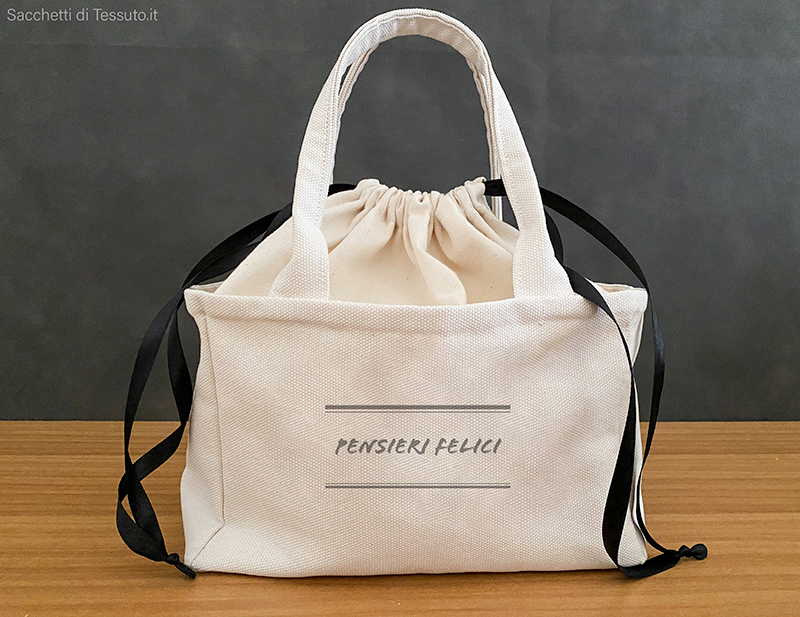
Organic textiles and green cosmetics: what are they?
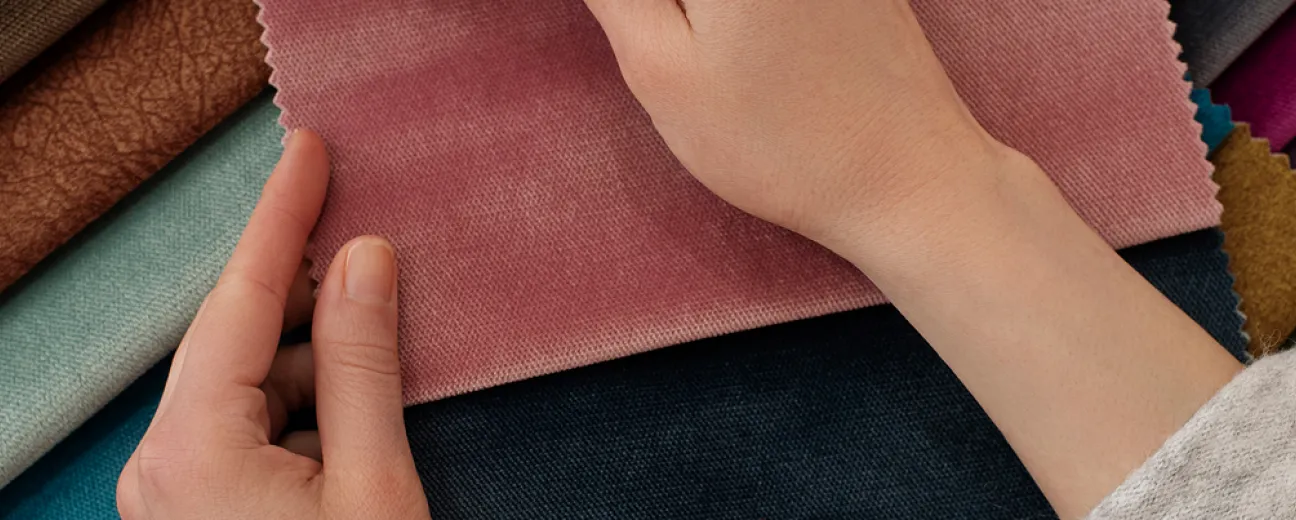
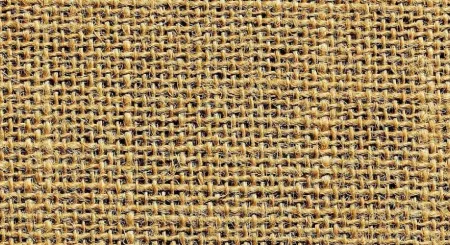
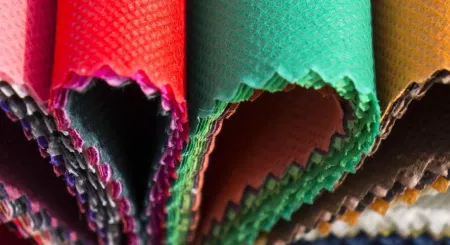
When we talk about organic textiles, we refer to natural fibers derived from plant or animal sources and produced without the use of toxic substances or harmful chemical processes for humans and the environment. These include flax, hemp, jute, cotton, wool, and ramie. They are therefore ecological textiles, safe for the health of those who use them. As a result, they are widely used in cosmetics and food sectors, which have particular requirements due to the delicate nature of the products offered. These fibers are also lightweight, soft, breathable, biodegradable, and durable.
To certify their ecological origin, derived from low environmental impact processes, specific certifications can be requested. The most common include GOTS (Global Organic Textile Standard) and OEKO-TEX®. Certification is voluntary, and to obtain it fabrics must undergo various tests.
Organic cosmetics are certified when at least 95% of the ingredients are certified and during production no petrochemical derivatives, formaldehyde, paraffins, GMOs, synthetic dyes, or fragrances are used. In both cases, a product can be considered organic if it has the lowest pollutant impact on the surrounding environment during production.
The main characteristics shared by green cosmetics are:
- a high percentage of plant-based ingredients;
- ingredients sourced from low-impact, local productions and/or controlled supply chains;
- the use of gentle surfactants that do not disrupt the skin’s hydro-lipid balance;
- cruelty-free production;
- recyclable or low-impact packaging.
In any case, a genuine organic product is recognized by its certification. In Italy, various certifications exist; the main ones for cosmetics include:
- Cosmos;
- Natrue;
- ICEA (Institute for Environmental Certification);
- CCPB (Consortium for the Control of Organic Products);
- AIAB (Italian Association for Organic Agriculture).
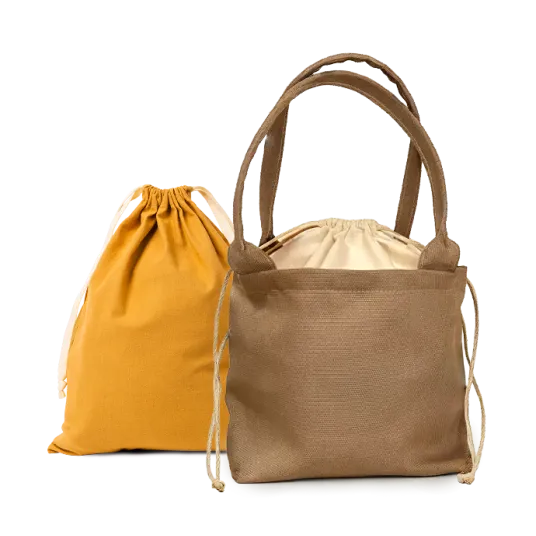
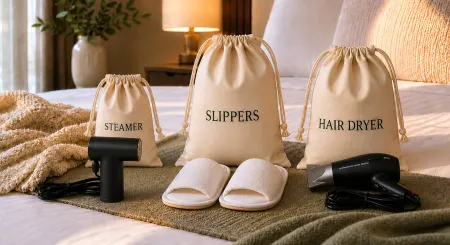
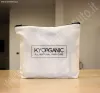
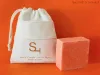
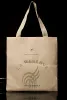
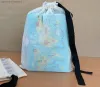
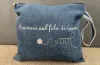
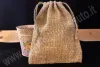
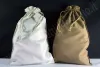
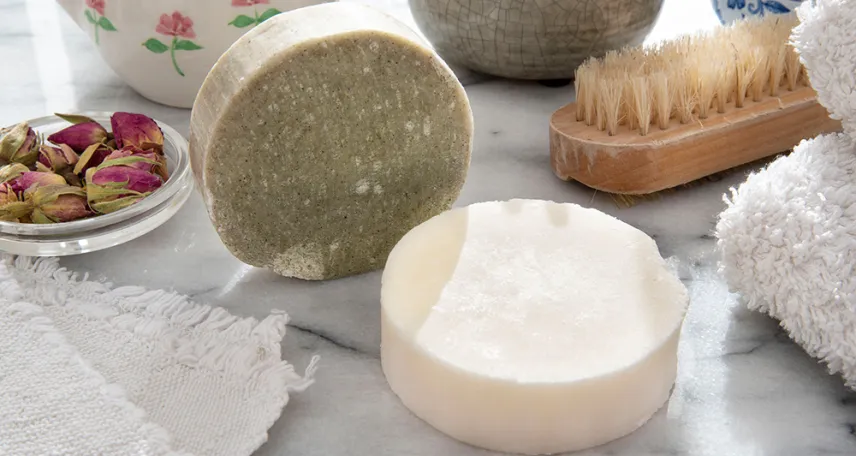
In practice, among the many certified options available, one can find organic cotton t-shirts, solid soaps (including shampoos), organic deodorants, fabric bags to store and protect personal items made from natural and certified materials. An example is the natural fabric bags that we at Sacchetti di Tessuto craft with a focus on fiber quality and which can be adapted to various functionalities.
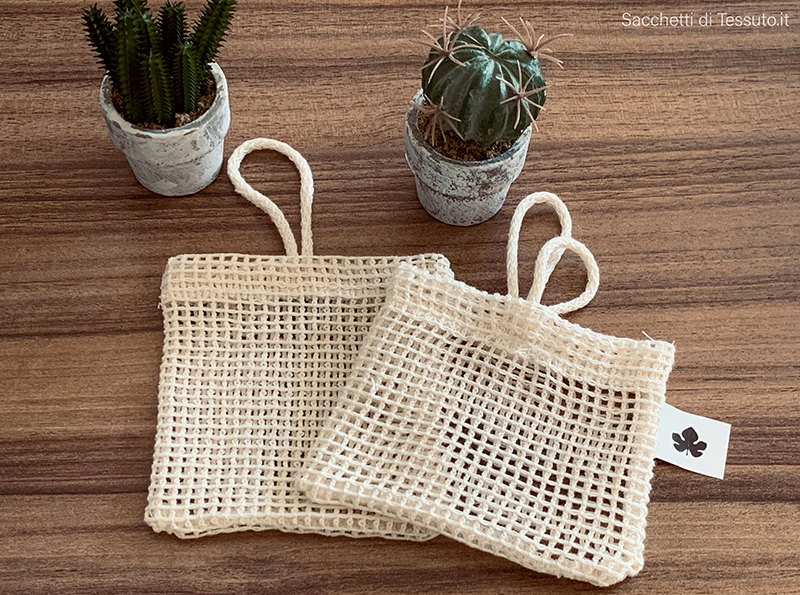
Organic fabric bags, solid soaps, and other solutions for consumers and companies
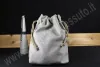
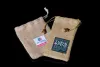
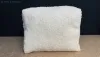
Starting from an organic and natural textile, many different products can be created, such as makeup pouches, canvas bags for carrying books or objects, shopping bags, shoe and accessory bags, bread bags, and much more. Our cotton mesh bag, in particular, OEKO-TEX® certified, is designed specifically for cosmetics: made from mesh fabric with two fabric loops, it is ideal for solid soaps.
OEKO-TEX® is a unique certification and control standard in the textile raw materials sector, semi-finished products, and finished goods. It certifies, in particular, products that do not pose a risk to consumer health. Independent bodies carry out evaluations upon company request: if the evaluated fabric is free of harmful elements, the product label can display the certification logo, a serial number, and the name of the institute that performed the analysis, ensuring full transparency and consumer protection.
Our natural cotton mesh bag is made with certified fabric and is designed specifically for the cosmetics sector. It is ideal for containing soaps, creams, or sponges that come into contact with the skin and therefore require safe storage in a secure bag.
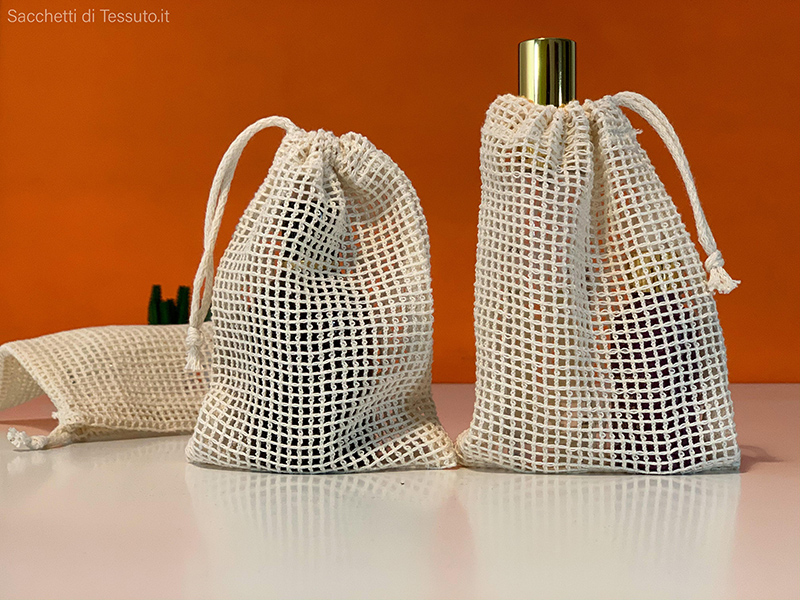
Bio packaging and products to meet customers’ green demands
Choosing organic in textiles and cosmetics can be a personal or corporate decision. In both cases, alongside certification, attention to packaging becomes central. An organic product packaged in plastic, for example, still creates waste and pollution, while even the container itself, if made from recycled material, can make a difference and reduce environmental impact.
As highlighted by a broad Nomisma survey conducted in 2020, 46% of Italians prefer to buy cosmetics with sustainable packaging that therefore has a reduced environmental footprint, while 43% choose sustainable packaging even when purchasing food products.
"Green marketing" is increasingly seen as a lever for growth. It should not be viewed as a passing trend to simply increase profits but rather as an element of a strategic vision that enhances the perceived value of a company’s product.
Ultimately, choosing organic textiles—including for packaging—and certified cosmetics reflects an awareness of the environmental impact of traditional production chains in terms of pollution of natural resources, environmental degradation, and even impact on human health.
Opting for products that demonstrate respect for nature throughout the production process and make tangible efforts to minimize waste, excess, and pollution means making responsible choices toward the planet and society’s future.
Talking about organic, green, and sustainability does not mean choosing products simply more natural than others; it means adopting a healthier lifestyle that everyone should share for their own well-being, that of others, and the environment.
This lifestyle emphasizes:
- choosing low-impact products from companies demonstrating care for formulas and the environment,
- recycling and reusing,
- aiming to reduce waste.
The good news is that there are many alternatives today, both regarding the product itself—such as solid soaps that do not require plastic bottles—and packaging, with the use of fabric bags instead of cellophane. Individual and corporate choices can make a difference.
Our production with organic textiles
For our production, we use the best natural and sustainable fabrics available on the market. For over 10 years we have dedicated all our passion and expertise to creating fabric bags that reflect the desires and requirements of our clients (and their clients).
Cotton, hemp, flax, jute… which fabric will be best for your company’s packaging? Create your custom packaging in organic fabric with us.
Take a look at the our catalog to see our creations!