













































In questo articolo
The cost of sustainable packaging is often part of the operational expenses of manufacturing companies, retail stores, and e-commerce businesses. Packaging is an essential element for every type of company, from food to fashion, serving several functions: protecting the product, facilitating transportation, and even communicating key information about the business while promoting the brand name. But how do you choose the best packaging? Ideally, you should consider those made from environmentally friendly materials.
It is true that expenses for eco-friendly packaging are slightly higher than conventional single-use plastic solutions, but sustainability has become a priority for both brands and customers. Fortunately, there are various strategies to save on these costs by avoiding waste without sacrificing material quality. Let’s explore them together.
What does eco-friendly packaging mean and what are the benefits of use?
Eco-friendly packaging refers to all packaging made from recycled and natural materials. Whether it's shopping bags or food packaging, the goal is to ensure the use of materials that protect the planet by minimizing the use of plastic and single-use packaging as much as possible.
Specifically, the sustainable packaging guide issued by the Sustainable Packaging Coalition (a group founded by the non-profit organization GreenBlue to promote green packaging solutions) states that sustainable packaging must meet certain criteria, such as:
- safety for the environment and for people throughout its entire lifecycle;
- reduction of operational costs for the company;
- use of packaging made from natural and/or recycled materials, produced with clean technologies;
- capability for reuse and/or recovery.
Using eco-friendly packaging thus offers various advantages because these packages:
- reduce waste (as confirmed by an analysis by ReFED, which shows that “improving packaging design could divert more than one million tons of food waste and avoid six million tons of greenhouse gas emissions annually”);
- can be reused multiple times;
- are accessible to more markets, with prices competitive against the single-use market;
- contribute to brand sustainability, a factor increasingly important to consumers who tend to prefer businesses committed to protecting the environment.
Alternative materials for eco-friendly packaging
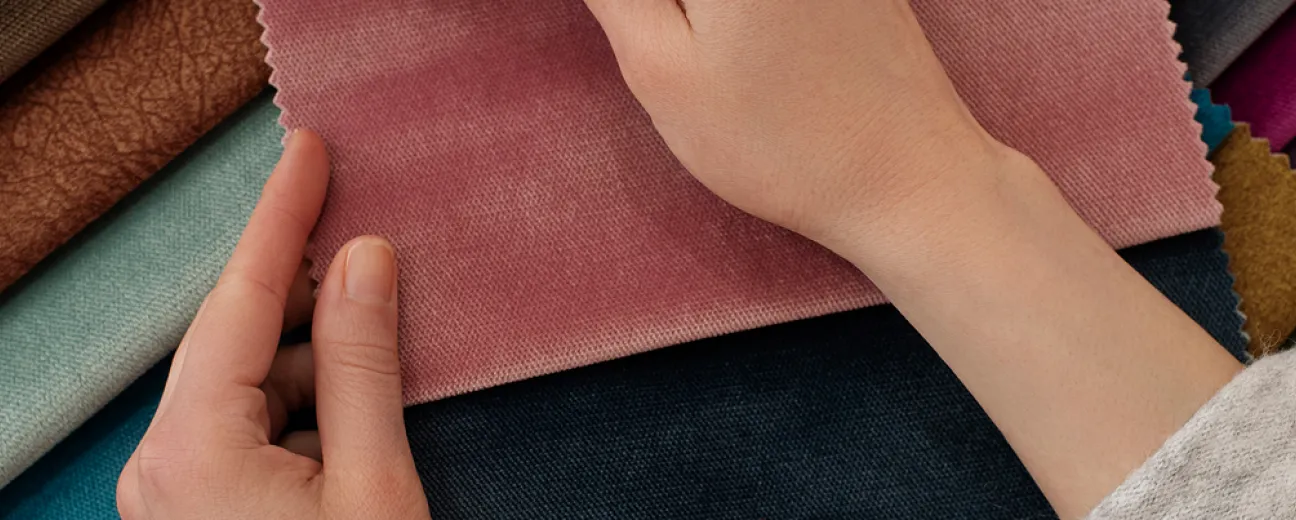
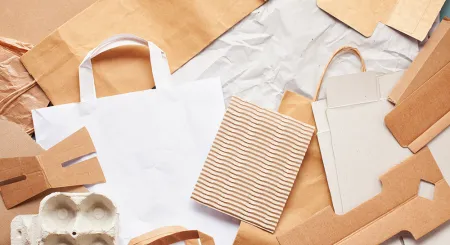
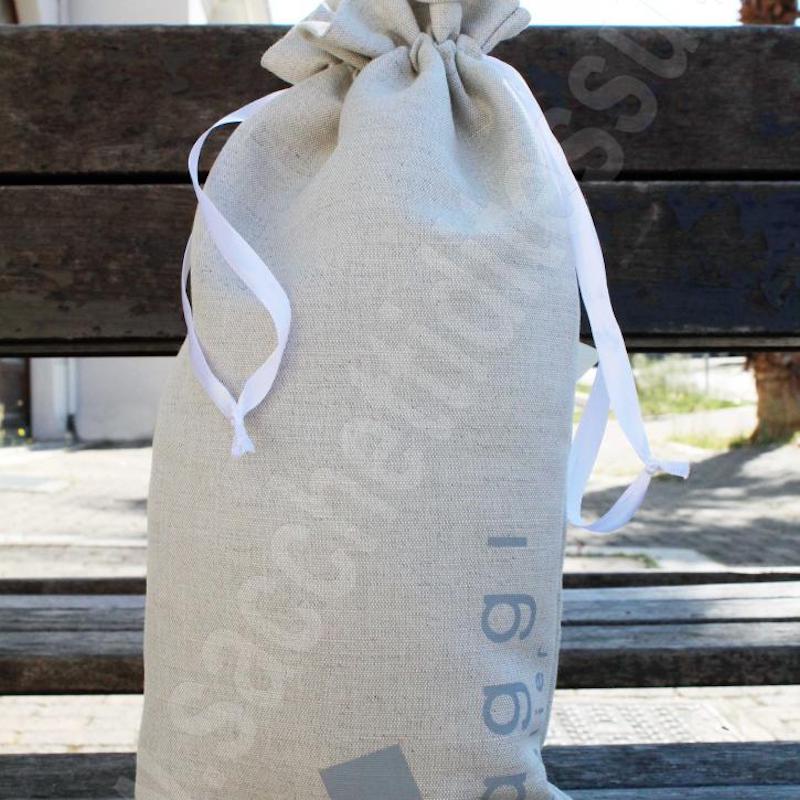
As mentioned, more and more people are seeking green packaging. What are the eco-friendly materials? Among the most used for packaging is cardboard. This is certainly a cost-effective and sustainable solution, especially if made from recycled material. Researchers are also developing innovative products based on seaweed or wood fiber blends, while there are other alternative and ecological natural-based products such as cotton, linen, muslin, or hemp.
These materials, in particular, are fabrics that respect the environment, with raw materials grown or produced following strict standards to protect the planet and communities (for example, without using pesticides, fertilizers, or herbicides). They are durable products that can be used for a long time and customised to meet the marketing needs of the brand.
How to reduce the cost of eco-friendly packaging without compromising sustainability
Packaging has a significant environmental impact, especially single-use plastic packaging. Worldwide regulations have been enacted to discourage the uncontrolled use of plastic. At the same time, consumers are increasingly aware of green issues and prefer brands that invest in sustainable packaging: recyclable bags and packaging (which can themselves be easily recycled) or made from natural materials. One of the major challenges for brands is containing packaging costs during retail or e-commerce sales.
Compared with traditional packaging, eco-friendly options are more expensive but offer greater long-term benefits, including economic advantages. For example, choosing a product made from sustainable materials (such as paper or jute) allows for reducing packaging quantity and volume. Reducing package volume lowers shipping, transportation, and delivery costs (which depend on size and weight), including for returns (the same packaging can be reused).
To determine the right material to invest in (whether for a shopping bag or packaging), it is important to always assess the strength and protection it offers the product, without neglecting the needs and expectations of customers.
Strategies to reduce packaging costs and waste
Can purchasing managers reduce costs and waste without sacrificing quality? Yes, there are ways to achieve this goal. Here are some useful tips to integrate into your strategy.
1. Choose what to invest in and the right quantity
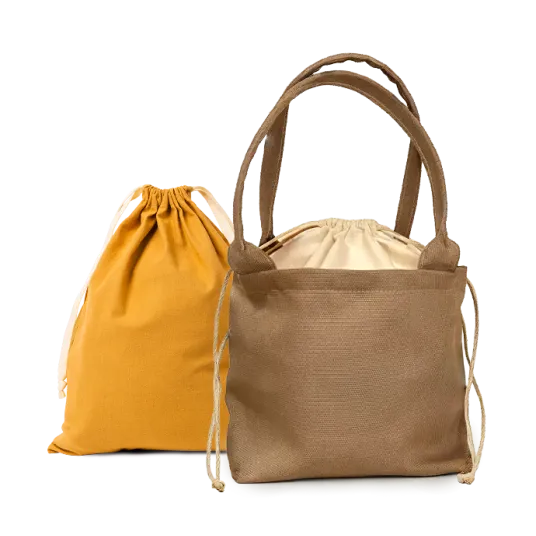
Carefully evaluating the type of material to invest in and the average quantity used for sales or packaging helps to moderate costs and avoid waste. For example, consider a clothing store or a fashion company producing both garments and accessories. The purchasing manager can invest in an eco-sustainable material like linen and order a bag with a candy closure to hold small accessories as well as compact clothing items such as t-shirts. To avoid waste, it is important to balance how many bags are needed per item.
2. Save with a single bulk order
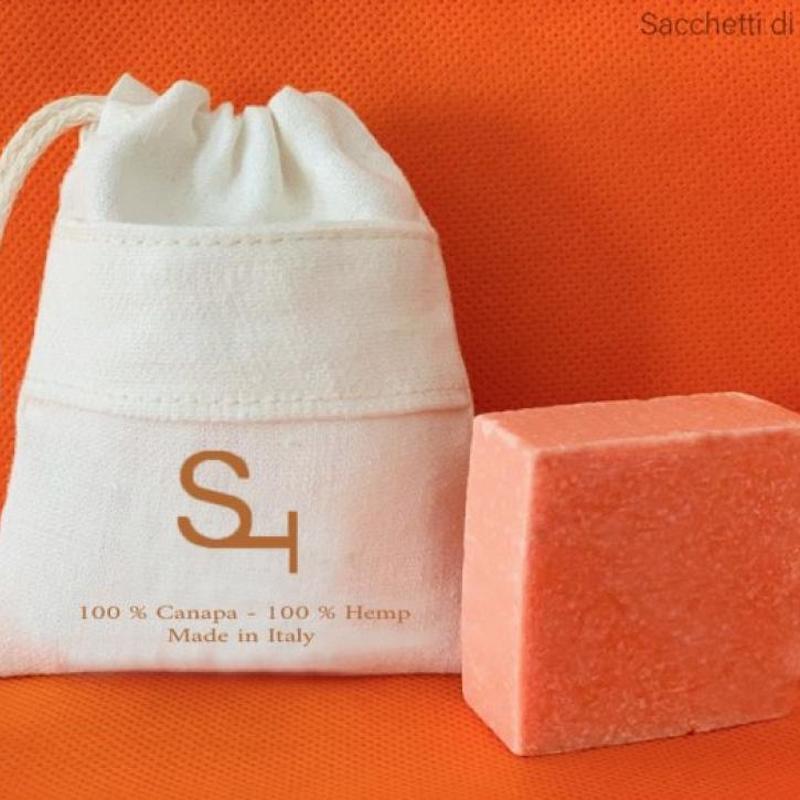
Purchasing a large quantity of the same product helps reduce final costs and save on total spending. For instance, buying large quantities of hemp fabric bags represents an investment that lowers the unit price per bag. Moreover, hemp is a completely natural and eco-sustainable fabric, excellent for packaging and useful for protecting footwear and other fashion accessories.
3. Consider made-to-measure packaging
The low prices of standard packaging are always tempting, but in the long run, this choice can prove costlier. Using a cardboard box for every type of product can be expensive for shipping (which is priced based on weight and size). Warehouses fill up quickly, as do store shelves. Investing in customised, eco-sustainable packaging made to measure, accounting for actual product volumes, requires initial investment, but it can be a very effective solution to avoid unnecessary waste, reduce expenses over time, and adopt good marketing practices.
4. Choose a single supplier
Relying on a single supplier allows for optimised ordering times and savings on shipping costs. Furthermore, collaborating with a partner who can customise a shopping bag or fabric bag, providing appropriate production and delivery dates, will positively impact overall organisation and inventory management.
Examples of companies that have successfully adopted eco-friendly packaging
For several years, many companies have been committed to reducing single-use bags and packaging, favouring alternatives such as boxes made from recycled cardboard, fabric bags, and shopping bags. Nike, Apple, and H&M are some well-known brands that have chosen eco-friendly packaging.
In the tech sector, since 2017, Apple has used sustainable, sturdy, and innovative packaging made from recycled paper and wood fibers for smartphones, headphones, iPads, and computers. Meanwhile, apparel company H&M has long used cardboard bags to ship clothes ordered online, preferring recycled cardboard boxes for large orders. Nike's approach is even more innovative: their shoes are sold in packaging made from recycled materials derived from milk containers, fruit juice cartons, and disposable coffee cup lids, which then transforms into a practical and robust backpack. In Italy, clothing company Twinset has introduced cotton shopping bags customised with the brand logo in its stores, given to customers with every purchase.
These are all different examples that can be successfully replicated in large, medium, and small businesses, both for producer-to-wholesaler sales (investing, for example, in bio-ecological fabric bags to protect fashion accessories and garments from dust and scratches) and for sales from retailers to consumers (with reusable customised shopping bags that offer excellent branding opportunities).
A fabric bag to protect the environment and optimise costs
More consumers choose one brand over another based on its ideals and commitment to the planet. For this reason, today choosing eco-friendly packaging, such as a fabric bag, has become a priority whose benefits clearly outweigh any costs related to sustainable packaging. Discover in our catalogue all the natural materials and best combinations for your business!