















In questo articolo
Towels, bathrobes, wraps... when we hear about terry fabric it is hard not to immediately think of home linens. Yet, this fabric is also ideal for creating sophisticated, soft, and sustainable pouches and packaging, perfect for wellness and beauty products, for example.
Let’s explore what it is in detail and what advantages it offers.
What terry fabric is and its characteristics
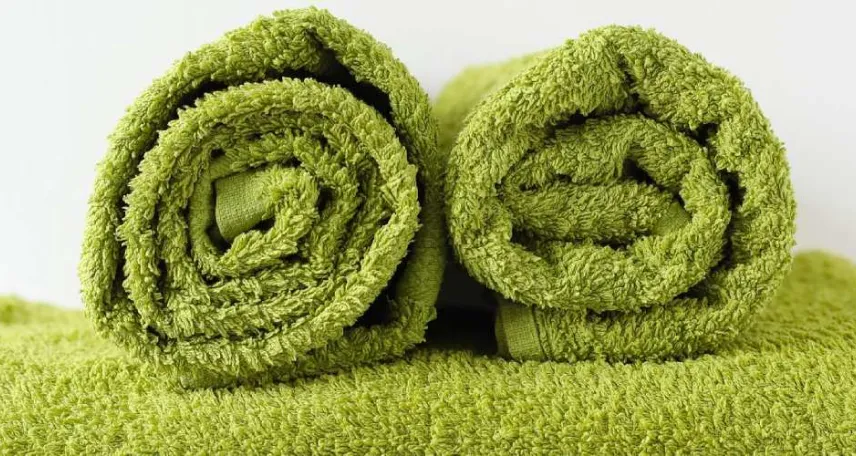
Let’s start with a clarification: when we say terry fabric, we refer to a weaving technique rather than a specific material, although the most common one is cotton. Terry fabric is obtained by weaving a double warp and a weft. The first warp, called the base, serves as the foundation and is woven at a higher tension than the second warp. The latter creates loops (or curls) on the surface, while the weft threads are inserted laterally through the warps, forming the weave.
If the loops are present on only one side, the terry fabric is single; if on both sides, the fabric is double. This particular warp system contributes to the fabric’s high absorbency and other distinctive features.
Main properties of terry fabric
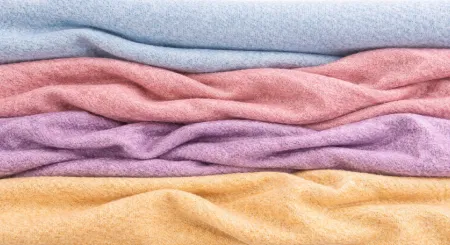
The most notable property of terry fabric—and the main reason for its widespread use especially in bath linens—is due to its looped structure. This significantly increases the surface area of the fabric and thus its remarkable ability to retain liquids.
But this is not the only characteristic. Beyond absorbency, terry fabric is also appreciated for its softness to the touch, which makes it very comfortable and widely used particularly in the wellness sector.
It also has high breathability, making it perfect for containing moist or warm products; and it is durable through washing, so it can be frequently sanitized without damage.
Types of terry fabric
Looped terry fabric is traditional, ideal for towels, bathrobes, and washcloths, but it is not the only type. There are in fact various variants, each developed with specific structural characteristics and targeted applications. A fairly common variant is French Terry. Unlike traditional terry fabric, French Terry has a smooth, flat side on the outside and the characteristic loops inside. It is mainly used in fashion design, for garments such as sweatshirts, joggers, casual, and sportswear, because the soft inner surface absorbs sweat and provides warmth, while the smooth exterior offers a more refined and versatile appearance.
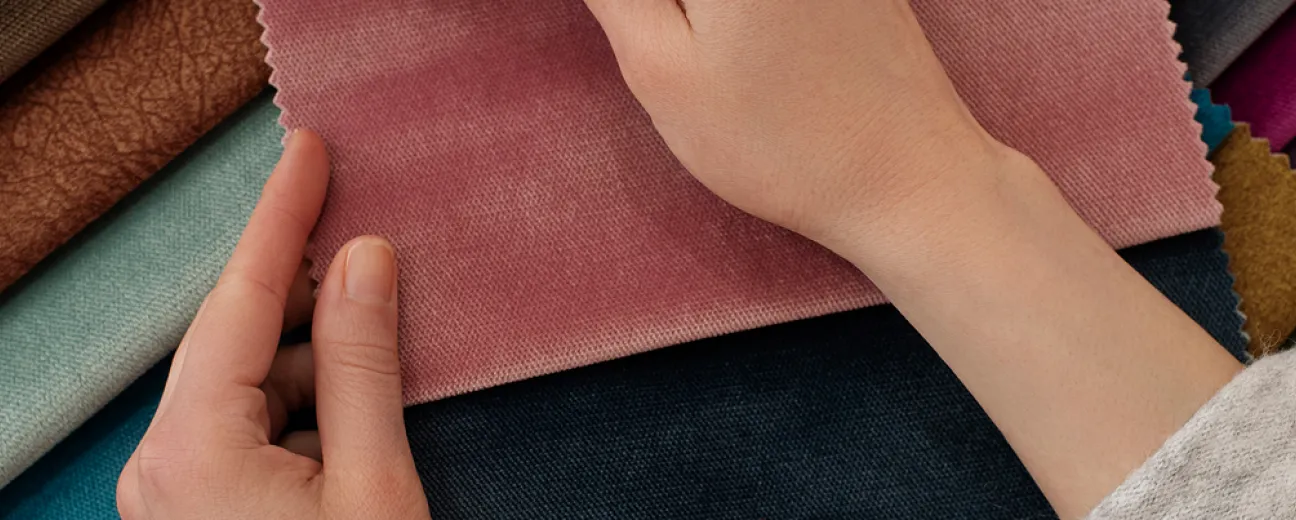
Terry Velour also has two different sides, but with a fundamental difference: the smooth side is obtained by cutting the loops after weaving. This process creates a velvet-like surface. Consequently, Terry Velour is more suitable for producing luxury bathrobes or beach towels, although its drying capability is lower compared to classic terry fabric.
Materials used to produce terry fabric
Cotton is the most common and traditional fiber for terry fabric production, a status due to its intrinsic qualities. Cotton offers excellent absorbency (it is naturally hydrophilic), significant softness, durability, moisture resistance, ease of washing, hypoallergenic properties, and the ability to reduce bacterial growth thanks to its fiber structure.
Besides cotton, other natural and synthetic fibers can be used for terry fabric production, such as:
- linen, sturdy and long-lasting, with a slightly coarse texture, also offering several environmental advantages;
- bamboo, especially in modal and lyocell forms, considered a “green” choice;
- microfiber (polyester, nylon, rayon): durable, lightweight, and compact, presenting some sustainability concerns. Polyester is often blended with cotton and other fibers to enhance fabric elasticity;
- modal (regenerated cellulose): practical and highly absorbent, distinguished by its extreme softness.
Most frequent applications…
Terry fabric is extremely versatile and has numerous applications across various industries. It is the fabric par excellence for towels, bathrobes, bath wraps, and washcloths thanks to its ability to dry the body quickly and effectively.
Moreover, technical advancements over time have improved this natural function as well as enhanced aesthetics and comfort.
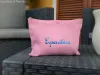
Today, terry fabric is successfully used in practical and comfortable adult and children’s apparel, such as tracksuits, sweatshirts, and sportswear. It is also found in home furnishings, including bath mats, upholstery, curtains, and cushions, as well as cleaning products. A key player in the modern textile industry, it can also be used for refined packaging.
…and one application you may not have considered: terry fabric for packaging
Packaging is the first interface between the product and the customer and must therefore align with the company’s message and identity. Sectors like wellness, beauty, and cosmetics use packaging as a true ambassador of values and image. Successfully conveying a sense of care, beauty, cleanliness, and sustainability through simple packaging is possible by choosing the right object and type of fabric.
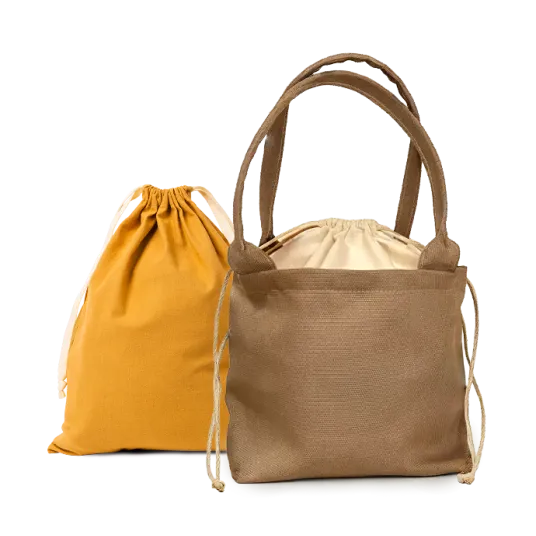
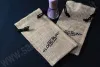
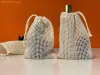
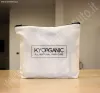
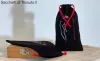
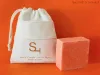
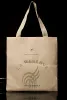
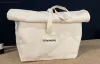
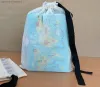
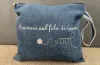
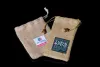
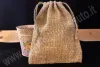
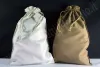
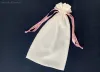
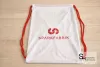
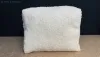
An example? Our bouclé terry pouch, elegant and customisable, is ideal for containing high-end perfumes, makeup, and skincare products. Or our bouclé fabric bag, perfect for luxury brands of jewellery, scarves, and small tailor-made garments.
In all these cases, terry fabric is perfect because it immediately conveys a sense of well-being, evoking worlds such as spas even before seeing the contents.
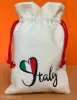
It also adds value to the product as it is reusable and can therefore be kept for a long time. It can also be customised with the company logo, turning the packaging into an additional promotional tool.
Practically, it protects delicate products, such as artisan cosmetics, soaps, essential oils, and glass bottles, in a safe and effective way.
Finally, it is often a sustainable choice: an increasingly sought-after and appreciated element by customers.
Terry fabric and sustainability: a choice that benefits the environment
Sustainability has become a central topic and a fundamental driver of innovation in terry fabric. Current research focuses mainly on the choice of raw materials. For weaving, high-quality cotton from suppliers certified to OEKO-TEX® and GRS (Global Recycled Standard) is preferred. These certifications attest to cotton’s sustainability and absence of harmful substances, protecting both consumers and the environment. This is an aspect to which we have always paid close attention as well.
Another common practice regarding raw materials is recycling cotton waste, both pre-consumer (such as production scraps) and post-consumer (coming for example from discarded garments). The waste is transformed into new yarns and terry fabrics, allowing the production of medium-high quality products at competitive costs compared to virgin cotton.
If produced from organic or recycled cotton, terry fabric has a lower environmental impact than synthetic or plastic materials: it is fully biodegradable (when made without synthetic blends) and free of plastics and microplastics.
Lastly, as mentioned before, a major advantage of terry fabric is its reusability: unlike single-use packaging, it can be washed and used multiple times, thus reducing waste typical of disposable packaging.
All these characteristics make terry fabric perfect for brands aiming to communicate quality and sustainability without sacrificing refined and distinctive packaging.
If this is what you are looking for, contact us now for a custom quote!