

















In questo articolo
Printing on fabric is a process used since ancient times to apply images and designs. Over time, technologies have evolved and techniques refined to the point that today it is possible to customize any type of fabric with a perfect and durable graphic result.
There are also many types of inks available for customization: pigment-based, acid, reactive, dispersive, sublimation inks… and even ecological alternatives such as water-based inks!
The choice of the right technique for your needs will therefore depend on the fabric used and the desired result, but also on the type of ink you prefer to use.
By continuing to read, you can discover all the secrets about printing techniques and, in particular, about water-based inks!
Printing on fabric: which techniques are most suitable?
Among all the techniques available today for printing, those that are particularly suited to fabric are the following:
- Screen printing, used since ancient times to customize fabric. It consists of transferring color from a screen to the fabric; it is fast and economical. It is the most widely used printing technology in the industrial decoration and fabric sector because it is inexpensive, quick, and allows the use of various types of inks.
- Digital printing, a method that fixes the design directly onto the fabric using a printer, with various types of ink such as pigment, acid, or sublimation inks.
- Hot foil stamping, which does not use inks but colored films, allowing the image to be imprinted by constant heat and pressure supplied by a heat press.
Depending on the type of decoration and the substrate on which it will be made, you can choose one of the three. If you want to create a custom fabric packaging that is as environmentally friendly as possible, you might choose the screen printing technique and request the use of water-based inks.
Let’s take a closer look at what they are.
Printing on fabric with water-based inks: what they are and how they are applied
Water-based inks are an ecological alternative to pigment inks in screen printing. They are very resistant to washing and sunlight because they adhere perfectly to cellulose-containing materials. They are therefore particularly suited for printing on cotton but also on paper or cardboard.
As the name suggests, their main solvent is water, although some contain small amounts of other solvents. They do not emit unpleasant odors and are non-toxic; in fact, they are sustainable because they do not contain PVC, phthalates, heavy metals, and have a low formaldehyde content.
All this does not compromise graphic quality. With these inks, you get prints with bright colors, a soft touch, and durability. Combined with specific other products, various special effects can be achieved:
- raised
- glitter
- velvet
- flock (an adhesive to apply to the fabric, which can be flat or three-dimensional, with a thickness of 0.5 mm or 1 mm, velvet to the touch and durable over time).
As mentioned, they are perfect for cotton but also work well on other natural fabrics and even on synthetic fabrics that cannot undergo high temperatures. Finally, water-based inks also deliver excellent results on dark backgrounds.
Other types of inks for textile and industrial decoration
There is a wide range of ink types, which is why screen printing is the most used printing technology in textile and industrial decoration. Here are the other inks available besides water-based ones:
- Solvent-based inks, less ecological, used in industrial decorations requiring adhesion and durability on various materials.
- Plastisol inks, used for fast production on carousel machines, for example in promotional clothing. They are easy to handle, have excellent coverage and a soft hand feel.
- Silicone-based inks, used when excellent elasticity and a barrier effect are necessary to prevent migration of colorants dispersed in polyester fabrics. They have a particular rubbery but soft feel to the touch.
- UV screen printing inks, with extremely fast drying. When exposed to UV light, they solidify in fractions of a second. They are used in sectors requiring consistent and fast production such as industrial packaging, cardboard converting, and premium labels for the wine sector.
Looking for an even more sustainable alternative? Natural dyes are available!
For consumers, environmental respect is now a priority, so many try to make every step of the production chain as sustainable as possible. If water-based inks are not enough for your idea of your bag, you might consider natural dyes: these are herbs, peels, barks (sometimes even waste materials) that color fabrics without the need for any additives.
Turmeric, saffron, henna, but also rosemary, bay leaf and aromatic herbs are some of the best-known bases to color fabrics naturally. However, they only act on natural fibers such as cotton, hemp, wool, and linen. Moreover, they do not have the same performance as synthetic dyes, and the colors obtained are less vibrant.
These characteristics, however, make them ideal for creating a handcrafted bag.
Customize your fabric packaging with water-based ink
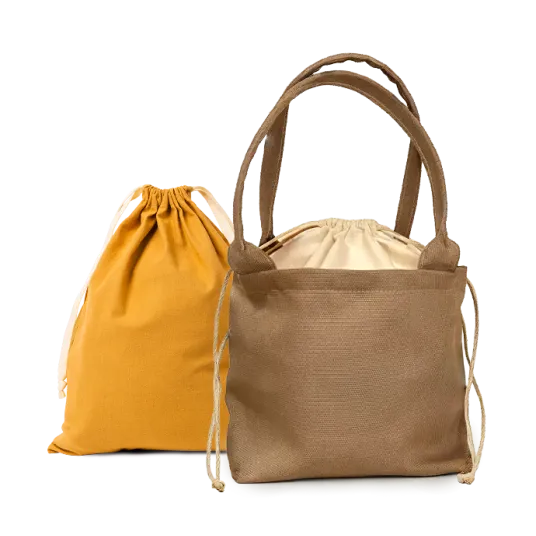
An important advantage of fabrics is the possibility of customizing them in shape, color, and print resistance to create fabric packaging that can reflect your company.
Do you want to create a bag for your products that is completely green? Our advice is to choose a natural fabric such as cotton or linen, which lend themselves well to screen printing with water-based inks.
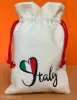
Here are some creations in our catalog that demonstrate how sustainability, style, and refinement can go hand in hand.
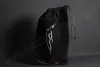
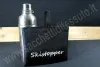
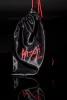
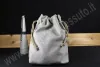
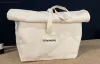
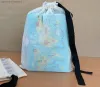
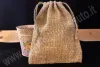
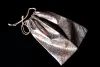
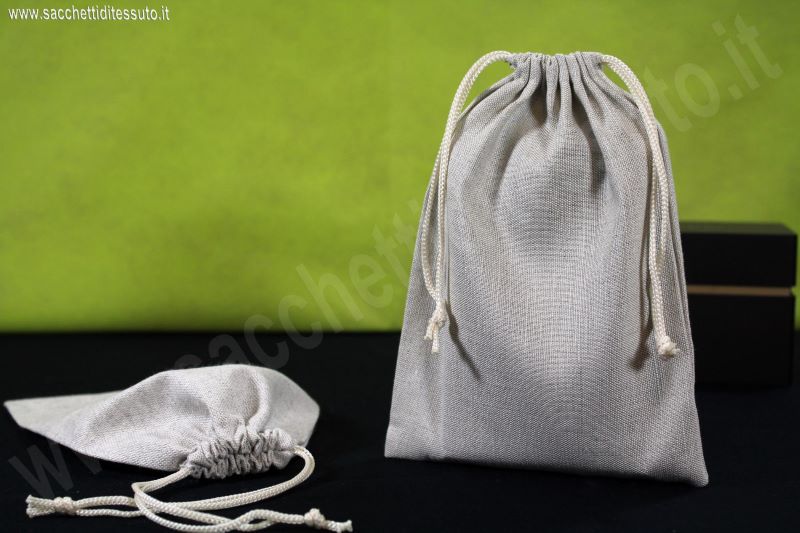
This grey bag in pure linen, a high-quality and ecological fabric, features a drawstring closure with two cords. Together with the light grey color, it has an elegant and refined appearance that does not compromise performance: it is resistant to tears, moisture, and machine washing.
Quality but also versatility: designed to contain and protect fashion accessories and organic cosmetics, it can also hold prepackaged food products.
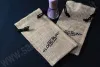
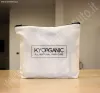
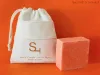
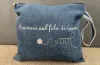
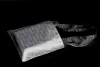
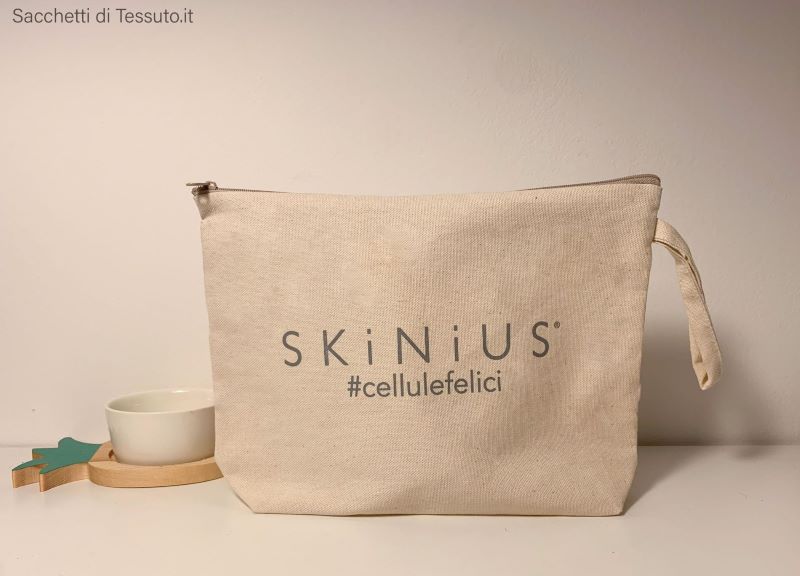
The charm of nature is also found in this cotton makeup pouch: earth-colored, 100% biodegradable, also printed with water-based inks. The zipper closure and wrist handle make this pouch convenient and practical.
Light, fresh, durable, and refined, it is perfect for holding makeup, creams, and personal items as an everyday accessory to carry in a handbag or suitcase.
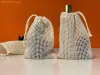
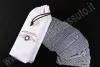
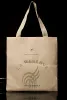
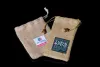
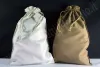
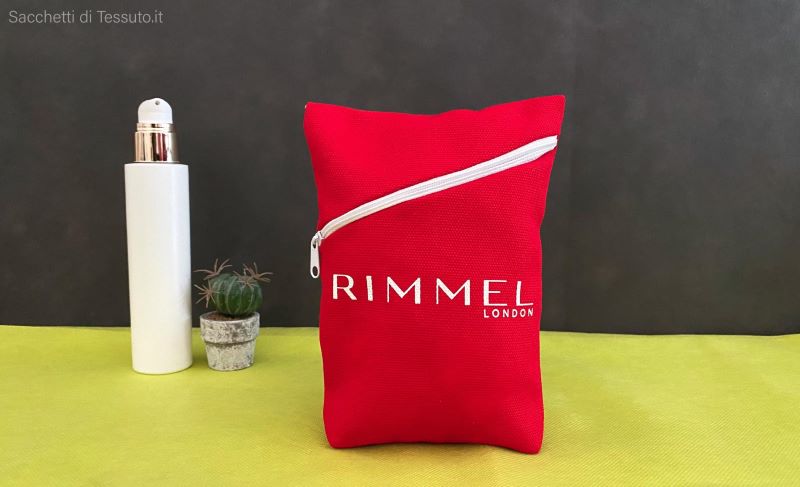
Finally, we want to show you this cosmetic pouch made of Oeko-Tex certified cotton canvas fabric, customized with a screen print using exclusively water-based paints that are 100% eco-friendly: even with such a bright color, the ink has perfect graphic quality. You can choose any color you want.
These are just some of our creations customized with water-based inks. You can find many other bags in our catalog.
Do you also want completely sustainable fabric packaging?
Contact us! We can create it together using only the best fabrics and printing techniques, with production entirely Made in Italy!