












In questo articolo
Non-woven fabric is a material that, although similar in appearance, cannot truly be considered a fabric. Also known as non woven or by the acronym TNT, it has found extensive use over the years in many different sectors—especially agriculture—but what made it widely known was its use in the production of surgical masks, used as protective devices against the Covid-19 virus.
What is non-woven fabric
Non-woven fabric is not made from natural fibers but is produced using elements such as polypropylene and through processes different from weaving.
The Treccani encyclopedia defines it as a “flat textile structure produced with technologies other than weaving and knitting; it consists of a web of fibers (for example polypropylene, polyester, viscose rayon) held together by mechanical, chemical, or thermal bonding processes.”
The history and production of this material
Non-woven fabric arrived in Italy in the 1990s, but its origin dates back to the 1930s when wool fibers were used for its production, later treated with heat or moisture processes. Only in the 1950s, with the development of key technologies for its production, was it properly defined as TNT.
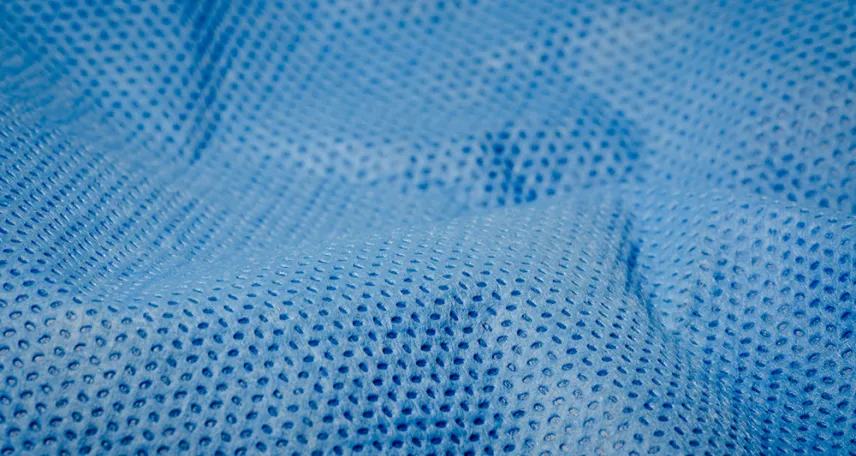
Although one cannot think of this material as a traditional fabric, it is very similar in appearance and properties. However, while ordinary fabric fibers have two predominant perpendicular directions (weft and warp), non-woven fabric has no ordered structure; therefore, the weft and warp are arranged randomly.
In production, fibers are laid in layers (or cross-laid) and mechanically bonded with adhesives or thermal processes.
Typically, TNT is sold in rolls, but it comes in various formats depending on specific uses. It is more economical—and has higher performance—compared to standard fabrics, and is used for various purposes: for example, it can be laid on the ground to protect crops from frost. In this case, if the type of non-woven fabric used is not ultra-resistant, it must be replaced every three weeks; otherwise, it can last much longer.
Characteristics and applications of TNT
TNT is especially known for its protective action because it is water-repellent and filters ultraviolet rays from the sun. Additionally, it has other useful characteristics such as:
- resistance to both very low and high temperatures;
- air permeability;
- flexibility;
- softness (or at least it is not abrasive or rough to the touch).
Furthermore:
- it does not fade;
- it is scratch-resistant;
- it can be heat and ultrasound welded;
- it is easy to cut;
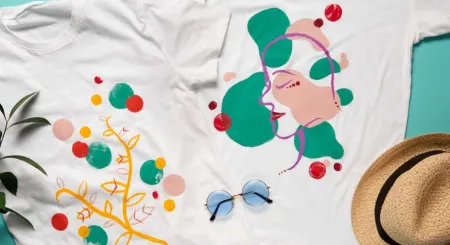
- it allows printing of graphic elements on its surface, for example through hot foil stamping or screen printing techniques.
All these characteristics represent an advantage, so non-woven fabric is now employed in many different industrial sectors:
- Construction: ideal for covering or fitting ceilings and false ceilings;
- Furniture: for wallpaper, sofas, armchairs, chairs. It can be found in some furniture accessories in certain quantities;
- Healthcare: for sterile surgical gowns, masks, caps, and shoe covers;
- Agriculture: this is the sector where it is used most, especially in organic farming. The protective sheet in TNT does not let sunlight through, prevents weed growth, and protects plants from bad weather, cold, and insects;
- Industry: used to make filter fabrics and abrasive tools.
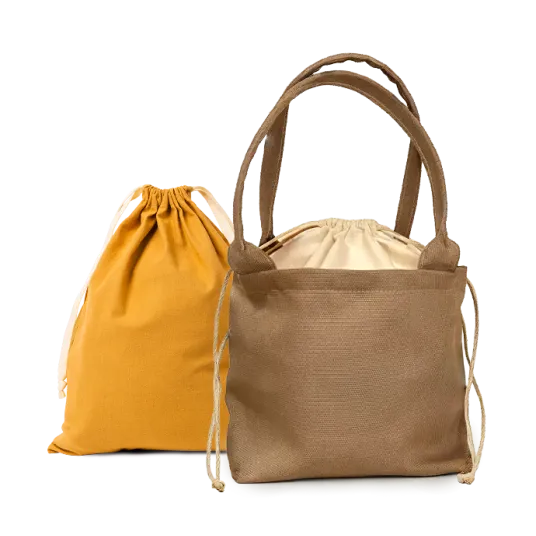
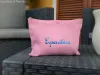
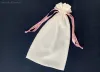
It is also used in sports, for photographic backdrops, in clothing—it is used in the production of shoes and internal shoe components—and in packaging, for the production of bags and shoppers for shopping and much more. In recent years, it has also replaced materials like polyurethane foams and, with the high demand for protective devices during the pandemic, it has been used extensively to produce surgical masks.
How TNT is produced
The production of non-woven fabric involves the use of polymers such as propylene, which must be melted at an optimal temperature and subsequently spun using machinery that distributes the fibers in a completely random and disorganized manner.
To ensure the fibers bond together, a heated roller is used, which creates the characteristic "dotted pattern" and makes the fabric both soft and durable at the same time.
The result of this process is rolls of synthetic non-woven fabric. Another production method, known as spunbonded, can make the product thinner, softer, and more consistent by melting the polymer, which is then perforated and pressed.
Being a very versatile material, in recent years products combining cotton and TNT have been created to produce extremely durable products.
How to wash non-woven fabric
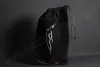
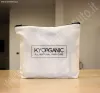
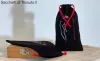
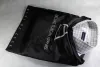
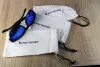
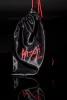
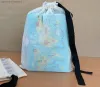
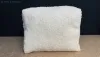
Due to its durability, TNT is often chosen as a versatile material for producing shoppers and bags for everyday use, useful for grocery shopping, storing a motorcycle helmet without scratching or dust accumulation, or as sports bags to carry sports accessories or sports shoes to the gym. There are many uses, but over time, the fabric can get dirty.
Fortunately, non-woven fabric is an easy-to-clean material that withstands both dry cleaning and machine washing well. However, as we will see, special precautions are needed to avoid damage and maintain it properly. Following these tips will help keep your bag clean and in good condition for a long time.
Dry cleaning
One of the quickest ways to clean non-woven fabric is dry cleaning. In this case, simply wipe the surface with a damp cloth to freshen it up slightly, remove dust, grass, or soil—for example, if the bag is used for outdoor sports activities and often placed on the ground. You can add a bit of gentle soap, like Marseille soap, to the damp cloth, gently rubbing the fabric for a more thorough cleaning, to deodorize the bag and remove minor imperfections. Obviously, this method is only effective if the TNT is not excessively dirty or stained with stubborn marks.
Gentle hand washing
Some TNT bags are often used for sports activities, to carry a spare pair of shoes to the gym, small equipment or other accessories. They are very convenient but need to be frequently sanitized to avoid bad odors and bringing germs into the home. For frequent washing, absent stubborn stains, it is preferable to wash shoppers and small bags by hand, soaking the fabric in a basin of warm water (avoiding very high temperatures) with a gentle detergent. Leave to soak for at least thirty minutes, then stretch out the fabric, preferably outdoors, letting it dry under sunlight. A tip: this material cannot be ironed; it's better to stretch it well to prevent creases.
Machine washing of TNT
From time to time—and not only when there are stubborn stains—it is good to machine wash TNT to thoroughly sanitize the material. Typically, the fabric withstands washing well at 60°, though it is important to always follow the instructions on the label. Modern washing machines include a wide variety of wash programs suited for every need: simply select the “delicate” or “synthetic materials” program and avoid spinning because it can damage the fiber strength. Once the wash cycle ends, it is important to hang the fabric immediately, preferably in the sun and open air, to dry thoroughly to avoid moisture retention. As mentioned before, TNT cannot be ironed: direct contact with a hot source can damage it.
The environmental impact of TNT production (and use)
Non-woven fabric and its derived products are very durable, practical, and cost-effective: they are versatile and flexible but, unfortunately, in many cases are disposable items or combined with other non-recyclable materials.
Although some more recent TNT versions have a lower environmental impact, according to the guide published by WWF, non-woven fabric is not recyclable and must therefore be disposed of in the "non-recyclable/indifferentiated waste" bin. Furthermore, the production process involves the use of chemicals and large amounts of energy and water, making it unsustainable compared to processing natural fabrics.
Not to mention the disposal of surgical masks during the Covid era. An article in Sole24Ore stated that “there are now more masks in the sea than jellyfish. [...] Ispra estimated between 160,000 and 440,000 tons of Covid-19 devices to be treated as non-recyclable waste in 2020.”
Because masks are disposable, there has been a significant increase and accumulation of these items in waste streams. If not properly disposed of, masks tend to disperse into seas and roadsides, causing negative environmental consequences.
Natural alternatives to non-woven fabric
The positive characteristics and advantages of TNT are many, but this does not mean there are no other fabrics that can replace it.
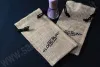
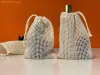
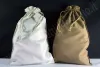
Jute, hemp, and cotton, in particular, are natural fibers, reusable and durable over time, and can be used for the same applications as TNT, with the advantage of being fully recyclable and sustainable materials!
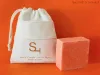
We at Sacchetti di Tessuto also prefer natural materials, which is why we always offer our clients more sustainable fabric packaging alternatives.
Take a look at our creations!