







































In questo articolo
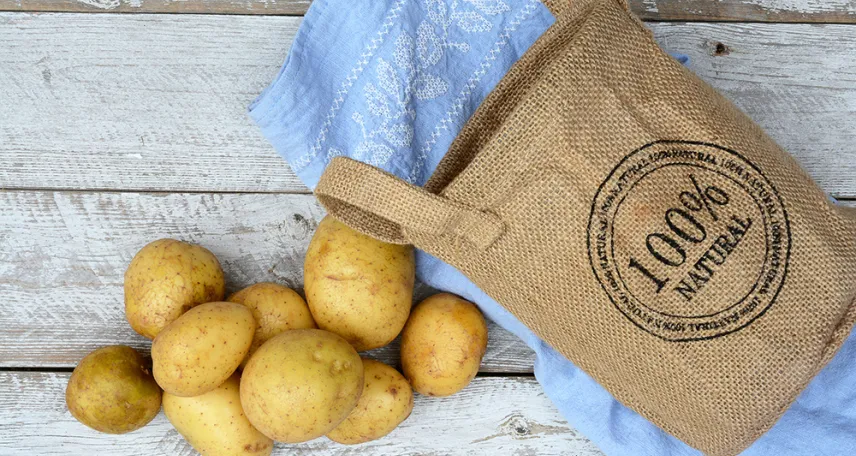
Natural, biodegradable, durable, and highly breathable. We are talking about jute, one of the most widespread natural fibers worldwide, used to produce fabrics for many different applications and functions: from furnishings to ropes, from accessories to the preservation of food products and actual foods.
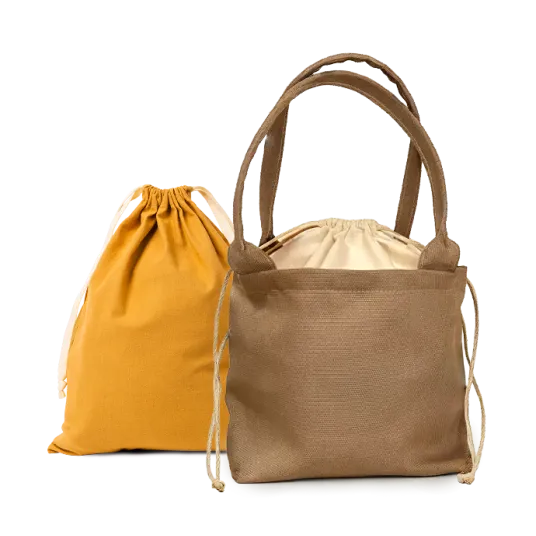
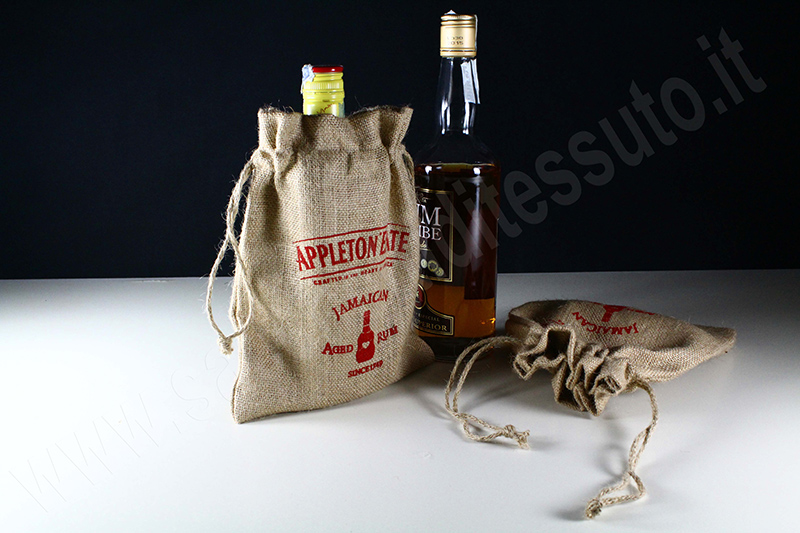
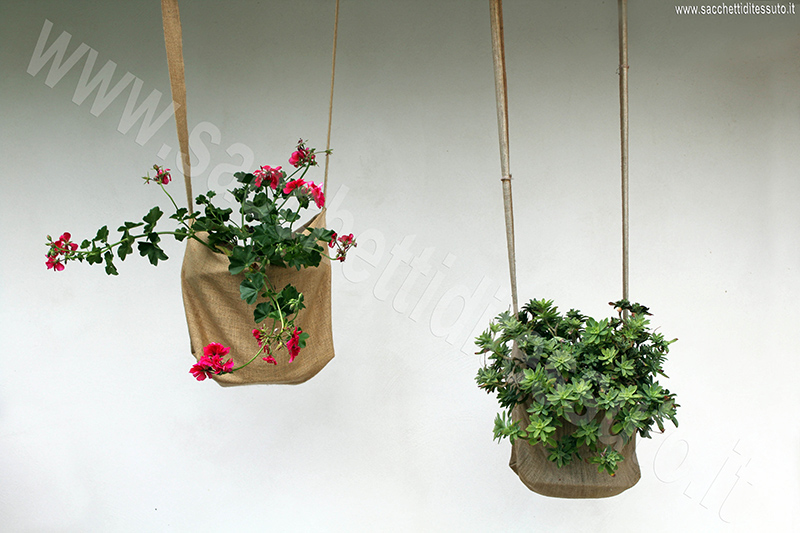
In popular imagination, jute bags are associated with the storage of coffee beans. However, the same bags can be much more versatile and adapted as reusable packaging also for bottles and glass containers, and reinvented as plant pot covers.
Precisely because jute bags, and this fabric in general, often come into contact with elements that could soil them, paying proper attention to maintenance is essential. Let us therefore look at some valuable tips on how to wash jute and preserve it for as long as possible!
How to wash jute fabric bags
Jute fabrics require careful handling because their weave is often not particularly tight and, therefore, they may fray or deform. However, by following our advice, the preservation of the fabric’s properties is assured: the key is to be cautious, avoid overly harsh treatments, and maintain a low temperature.
Jute, in fact, can be washed both in a washing machine and by hand. The latter method is preferable for small items, more delicate fabrics, or bags with small stains that need targeted treatment.
Washing jute by hand
Jute fabrics should be wash in cold water, or at most slightly warm water, where they are immersed for a short time, no longer than five minutes. Excessive temperature can damage the weave, as can prolonged soaking. Add a detergent, preferably natural, mixed by hand so it acts on the entire fabric.
If there are stains, it is advisable to treat them first with a well-wrung damp sponge. To avoid damaging the fabric, it is better not to rub the fiber, but rather to dab the stain until it disappears.
At the end of washing, remember to rinse the fabric always with cold water until only clear water runs off.
Washing jute in the washing machine
Jute can also be washed in a washing machine, but this is in any case a more aggressive treatment. For this reason, it is not recommended for small items or already damaged fabrics. Otherwise, use a delicate cycle at a low temperature and a standard natural detergent to thoroughly clean the bag.
To soften the fabric, adding a few drops of bleach and fabric softener in the washing machine cycle is possible. This will revitalize the fabric, but be cautious with use! For example, if you want to apply one of the natural dyeing techniques on jute, avoid bleach as it may prevent proper color adherence.
How to dry jute
Jute, as we have seen, is a rather delicate fiber, though durable as packaging material. The drying phase also requires care and attention.
For small pieces and those washed by hand, the ideal method is to lay the fabric flat on a surface, placing it on a towel and covering it with another. The damp bag should not be wrung or handled, but simply laid flat so the water is absorbed by the towels. Sometimes it may be necessary to replace the towels before the fabric is completely dry; this way you preserve the fabric’s shape and avoid issues with the weave and fraying.
If the jute fabric has been washed successfully in the machine, you have two additional options: the dryer, always selecting a delicate program, or air drying. In the latter case, place the bag on a wooden or plastic chair, avoiding folds, and leave it outdoors until dry.
Unlike linen, for example, jute tends not to bleed; however, leaving the fabric outdoors too long may cause it to deteriorate or become stiff. It is best to check regularly. Finally, jute should not be ironed: for this reason, careful drying—choosing a flat and rigid surface—and avoiding traditional drying racks can make a difference.
Removing bad odors from jute: is it possible?
A common concern regards the odor of jute and, more generally, the aromas it may absorb from the food it stores. Fortunately, there are several ways to improve the situation:
- allow the fabric to air out;
- use baking soda on the fabric, leaving it on for a couple of days, then remove by shaking;
- add vinegar to hand washing, particularly mixing one part vinegar to four parts water. A soak of a few minutes is enough to restore the fabric as good as new!
By following these traditional “grandmother’s tips,” you will have your jute fabric bag ready to be reused, perfectly clean and fresh!