




















In questo articolo
One of the key things to know when purchasing fabric bags is how to match colors correctly and how to choose different textiles based on their shades and intended use.
Color is a very important visual element, capable of evoking emotions and adding style to anything. Colors do not always suit every fabric; some combinations work well and others should be avoided. To choose the right matches, you first need to understand the final result you want to achieve.
If you want to create a custom fabric bag for your business, you will need to select color and textile combinations that align with your brand’s colors, industry, and business style.
How do you choose the right color for your custom fabric bag? Here are some tips on how to match fabrics and colors.
What does it mean to match colors?
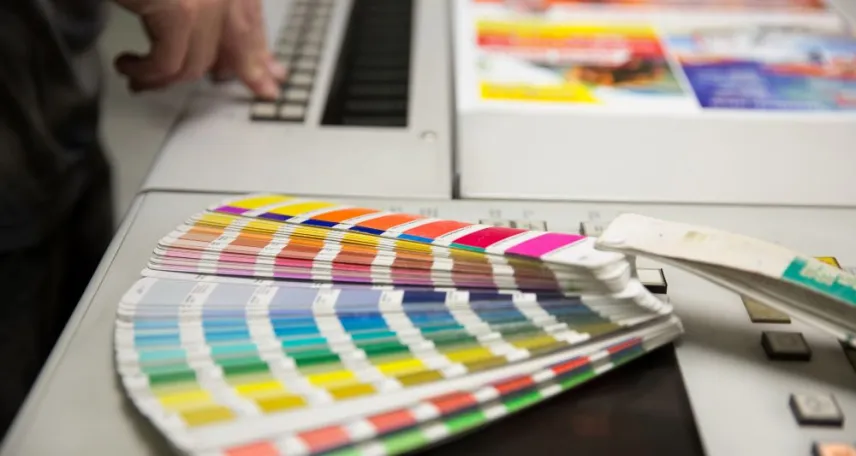
Before diving into the world of colors, let’s clarify what the phrase “matching colors” means and when it is used. Specifically, it refers to the combination of two or more colors by evaluating the best shades so that the result is harmonious. Mixing colors is neither easy nor obvious; in fact, the search for the perfect match follows scientific principles such as those offered by Itten’s color wheel.
How to match colors using Itten’s color wheel
There is a simple and well-known method to match colors: the one based on Itten’s color wheel, a painter who published his theory in 1961 in the book The Art of Color.
It consists of a color disc divided into twelve parts:
- it starts with the primary colors - yellow, cyan, magenta - positioned inside a triangle;
- on the triangle’s sides, a hexagon forms where the secondary colors (orange, yellow, purple) are placed;
- around the hexagon, there is a circular band containing the tertiary colors (created by combining red-purple, blue-purple, blue-green, yellow-green, and yellow-orange).
The basic rule of Itten’s color wheel is that, to achieve a harmonious color combination, you should place colors opposite each other on the wheel, avoiding combinations of colors that are close to each other on the outer circle.
How to match light and bright colors
Bright colors or soft colors? This is the first choice to make. Then comes the moment to combine colors. Let’s see how.
How to match light colors
Light colors match well with each other and with pastel colors, but they can also be contrasted with black. For example, colors like gray and beige are soft and elegant and pair perfectly with both white and black.
How to match bright colors
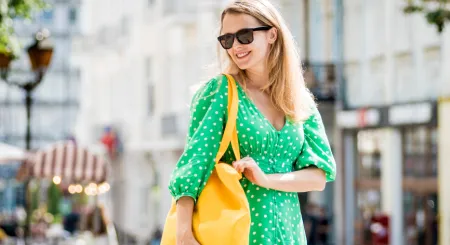
Bright colors often need to be toned down with colors like white or beige. Avoid combining them with black as this would create too harsh a contrast. White, on the other hand, works well with bright colors like red and fuchsia, or with earthy colors like brown and green.
Fabrics can also have different textures, patterned or solid, and in these cases it’s always better to avoid combining too many colors to prevent a “Harlequin effect.”
What is the right combination between warm and cool colors?
Warm colors are close to the infrared end of the visible spectrum (red, yellow, orange) while cool colors are closer to ultraviolet rays (blue, green, purple).
But how do they perfectly combine? Ideally, only colors with similar temperatures should be matched.
Perfect color combinations? Here are our tips
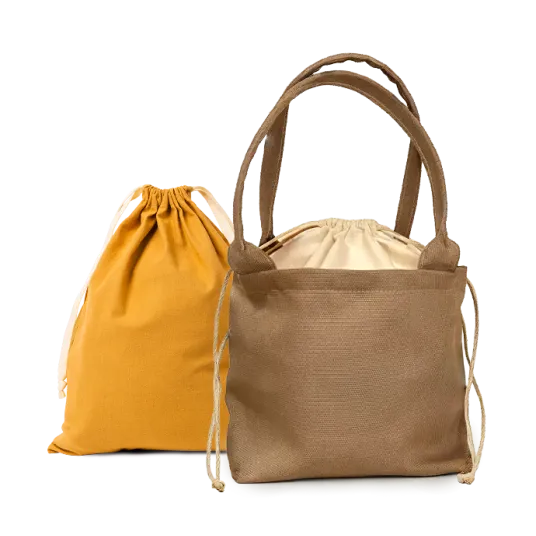
Do you want to create a fabric bag in different colors? Do you want to choose one shade for the bag and another for the details (such as the drawstrings, for instance)? In this case, for selecting the perfect colors to pair for a fabric bag with a wow effect, you can follow our advice. Here it is.
1. Monochromatic color combination
A simple but effective combination. Matching monochromatic colors means selecting colors of the same shade in different variations. It is based on tonal variation from the lightest to the darkest of the same color.
2. Analogous color combination
Unlike monochromatic colors, which are different tones of the same color, analogous colors are combinations of similar colors with adjacent shades. On the color wheel, they are positioned side by side.
3. Expanded analogous color combination
This uses analogous colors as a base but extends further into adjacent shades to work with a broader spectrum.
4. Complementary color combination
This is based on pairing opposite colors on the color wheel. The combination is not obvious at all and requires caution to avoid dissonant effects.
5. Divergent complementary color combination
Based on the complementary color pairing mechanism, instead of choosing the opposite colors, the colors to the left and right of the complementary color are selected, creating very interesting shades.
6. Equidistant three-color combination
This combines three colors equally spaced around the color wheel. The result? Very varied but also balanced.
The best color matches to create distinct styles
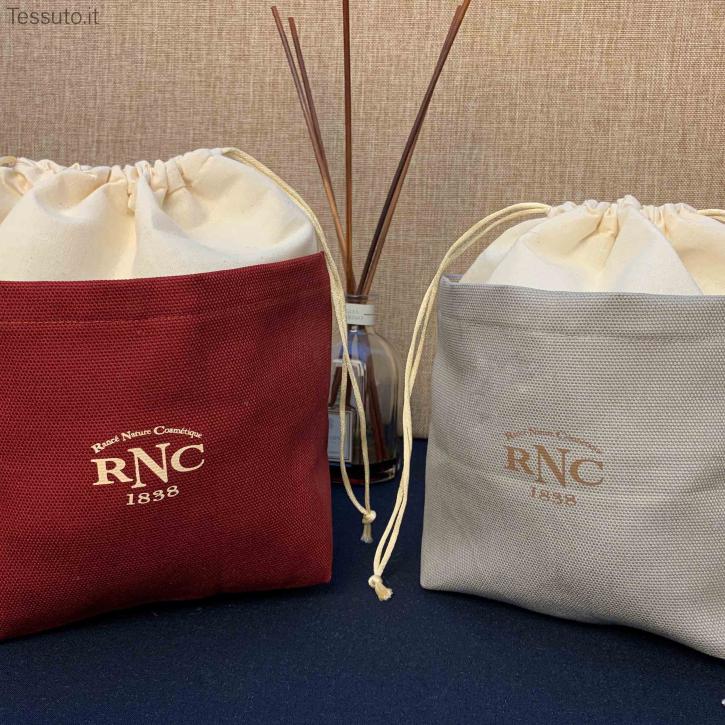
Pairing certain colors can produce images and clearly defined styles. Green, for example, evokes spring and nature and can be paired with yellow, which communicates light and joy. At the same time, these colors can recall the organic sectors, green industries, and agricultural sector businesses or companies producing premium products (have you read our case history about Baldelli oil? We use green for their premium bag).
Conversely, pairing soft pink (or antique pink) with light brown creates a regal effect, while pairing pink, red, and other similar chromatic shades can be associated with the cosmetics sector.
Fabrics also play a role: combining colors like light blue and white with lightweight fabrics such as cotton and linen can evoke summer.
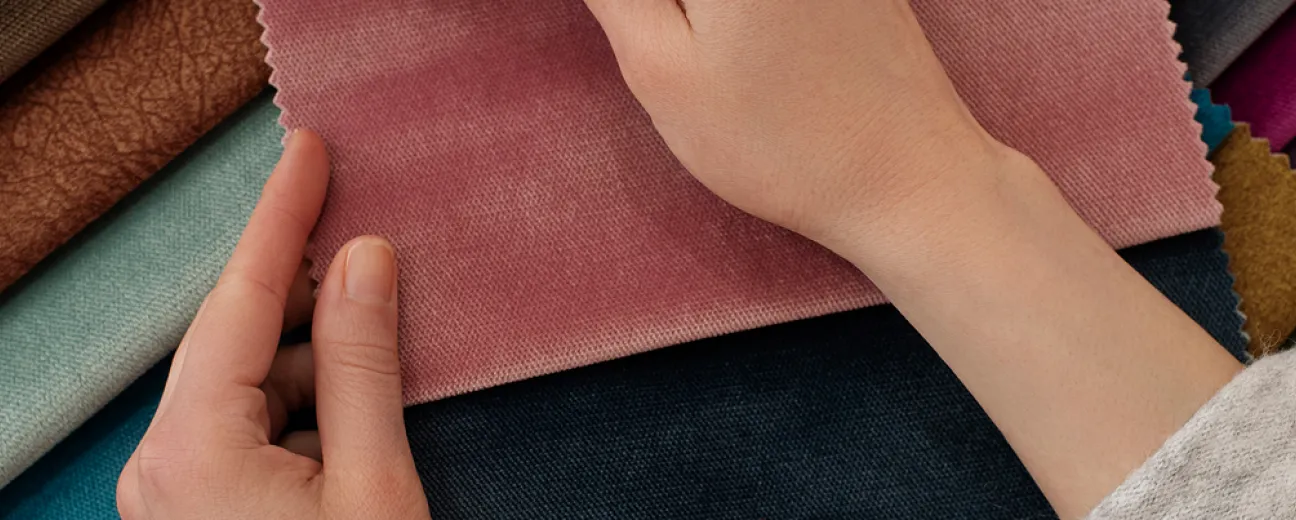
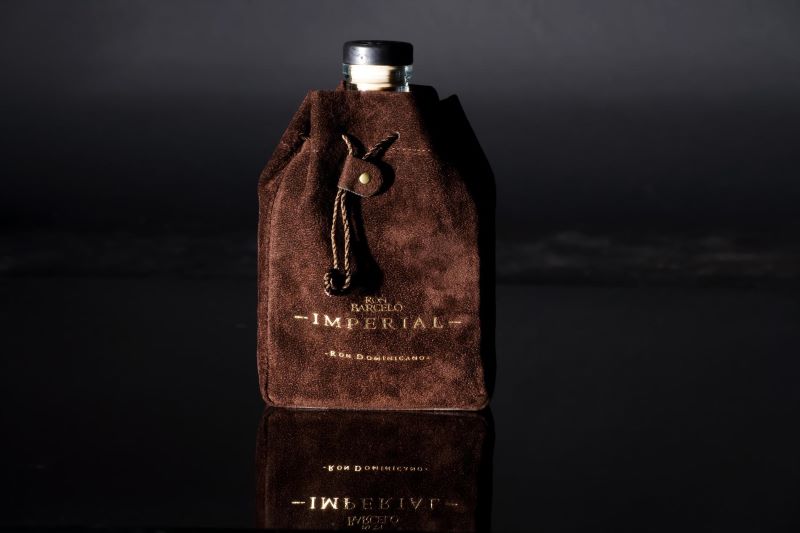
For a vintage touch, combinations of brown and gold with velvet work perfectly—two shades that, among other things, are also very fashionable for luxury packaging.
Depending on the desired effect, you can pair soft colors with brighter ones, colors of similar shades, and fabrics that are heavier or lighter.
Every sector has its color and fabric
The sector you operate in can guide you in selecting the right combination of colors and materials for your packaging (considering sustainable materials if you want to communicate a green message).
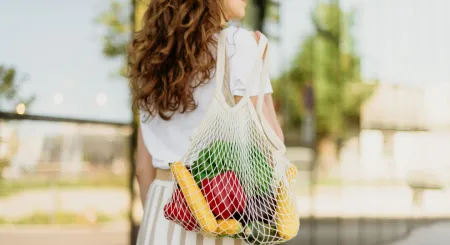
For example, in the cosmetics and events sectors, you can consider mesh or white or colored cotton bags, either lightweight or more durable, to hold different types of gadgets (also creating large quantities of bags). In the luxury sector, you might consider combining velvet or silk with dark or cool colors that give the right touch of elegance for that sector.
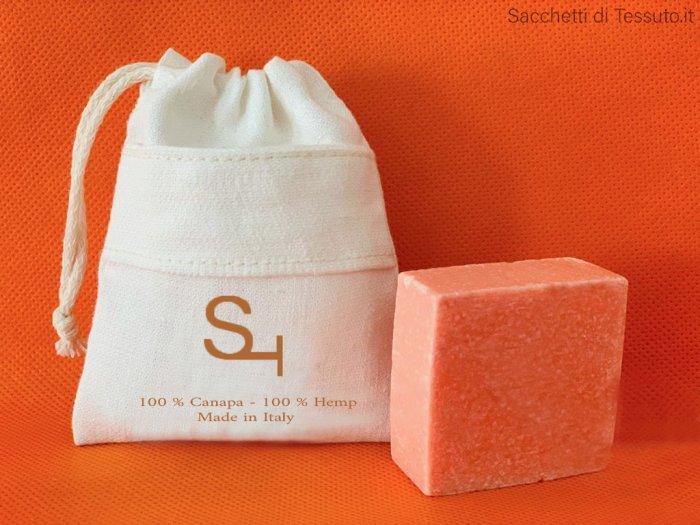
Alternatively, for greener and organic sectors, colors like white, green, or brown pair well with hemp fabrics, natural and sustainable materials.
Prints, embroidery, and cords: also consider personalization elements
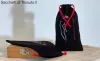
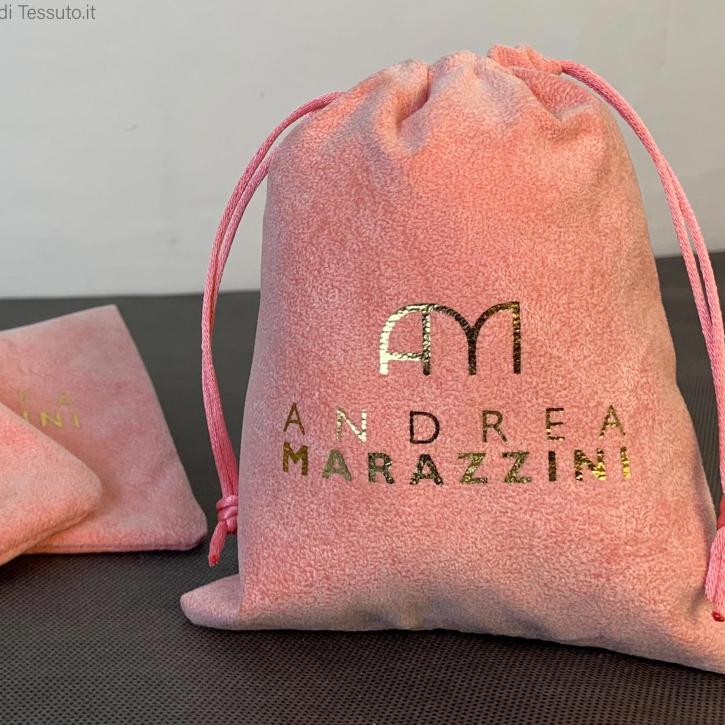
When choosing the right color for your fabric bags, you should also keep in mind which personalization elements you would like to add: printing or screen printing, embroidery of your logo or a colorful image, colored drawstrings and zipper pulls, and so on. Every detail matters, and here you can apply the rules we discussed earlier to match colors correctly, considering the various textiles.
Combine colors and fabrics to create a fully custom fabric bag
As we have seen, choosing the right color for your fabric bag depends on several factors, including:
- the sector you operate in;
- the type of fabric selected for the packaging;
- personal taste and brand colors.
If you choose Sacchetti di Tessuto, you can rely on experts who can advise you on the best color combinations based on your personal taste and brand identity, as well as the fabrics you've chosen. At the same time, we can help you evaluate the perfect shades to highlight details like drawstrings, ribbons, fabric prints, or screen printing.
We specialize in creating fabric packaging and bags suitable for many different markets. We continuously engage in research and development and can provide you with the bag you need. Browse our catalog to choose the right packaging for your business!