



























In questo articolo
Knowing how to store bread in appropriate containers is essential to preserve its freshness, aroma, and nutritional properties. The bread box serves to keep the product fresh for longer and, at the same time, helps maintain an orderly kitchen because, in addition to bread, it can also hold cookies, breadsticks, and dry pastries.
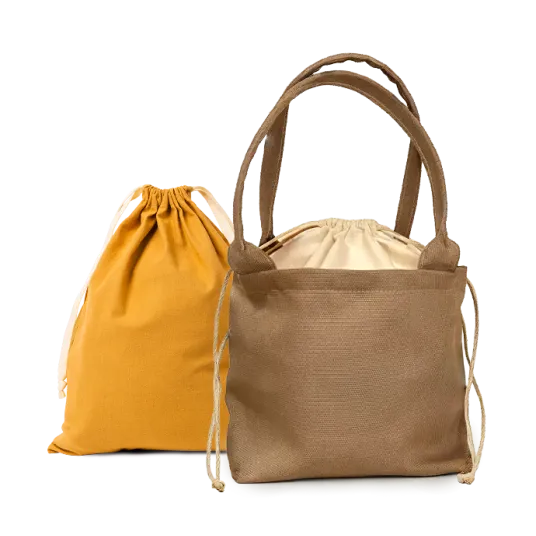
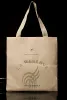
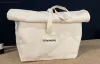
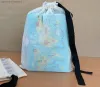
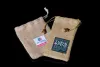
You can find bread boxes of all kinds on the market, as they come in many models, colors, sizes, and materials: with or without a lid, in wood or steel, but also in the form of fabric bags for the food sector!
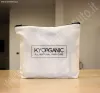
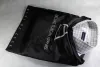
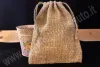
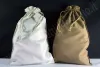
Bread bags made from fabric are a truly charming, practical, and eco-friendly idea to gift or to include among the products sold by shops or e-commerce. They do not take up much space and are hygienic because they are machine washable.
But before exploring all the advantages of fabric bread bags, let’s understand why and how mold forms on food and why it is important to use breathable packaging.
Why does mold form on food?
Mold is the powdery texture we see developing on food left unattended for a long time, and its formation should be avoided to reduce food waste. It belongs to the fungi family and consists of a large group of microorganisms that organize into clusters of mycelia that absorb nutrients from the organic matter.
This fungus forms mainly due to the presence of moisture or water, fungal spores, and organic matter. Temperature also influences its growth. Contrary to popular belief, mold does not only attack expired or spoiled food; it also targets fresh food. Its development on food is also linked to condensation and temperature fluctuations because when warm air contacts a cold surface, water droplets form and can remain inside the food container.
Various types of mold exist that share similar needs and adapt to any climate: this is why mold can develop inside bread bags as well as in the refrigerator or even in the home freezer!
Within a few days, molds can release hundreds of thousands of spores that disperse into the air and form new colonies wherever humidity and temperature conditions are suitable. Therefore, it is crucial to address the problem as soon as possible by cleaning the affected areas thoroughly and drying them well.
Consuming moldy food is not recommended, although in some cases it is possible to "rescue" the item by carefully cleaning and removing the damaged part. This procedure is mainly applied to cheeses, but caution is advised or it may be better to avoid it since mold can be present deep within the food where it is not visible. Additionally, handling can contaminate hands, which may then spread spores.
Why use fabric bread boxes? They are breathable!
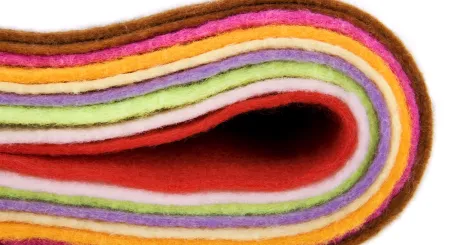
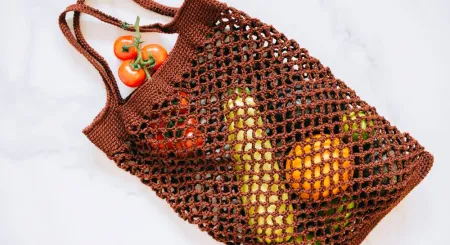
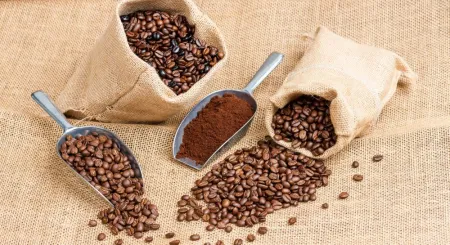
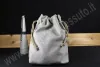
Fabric bread bags are useful not only for storing bread but also for adding a special touch to the kitchen. They are eco-friendly because they are made from natural textiles, and they can be reused for a long time: they are machine washable, tear-resistant, and can also hold other food items such as coffee, legumes, or dried fruit. They are also very soft, can be folded conveniently and stored in drawers without taking up much space.
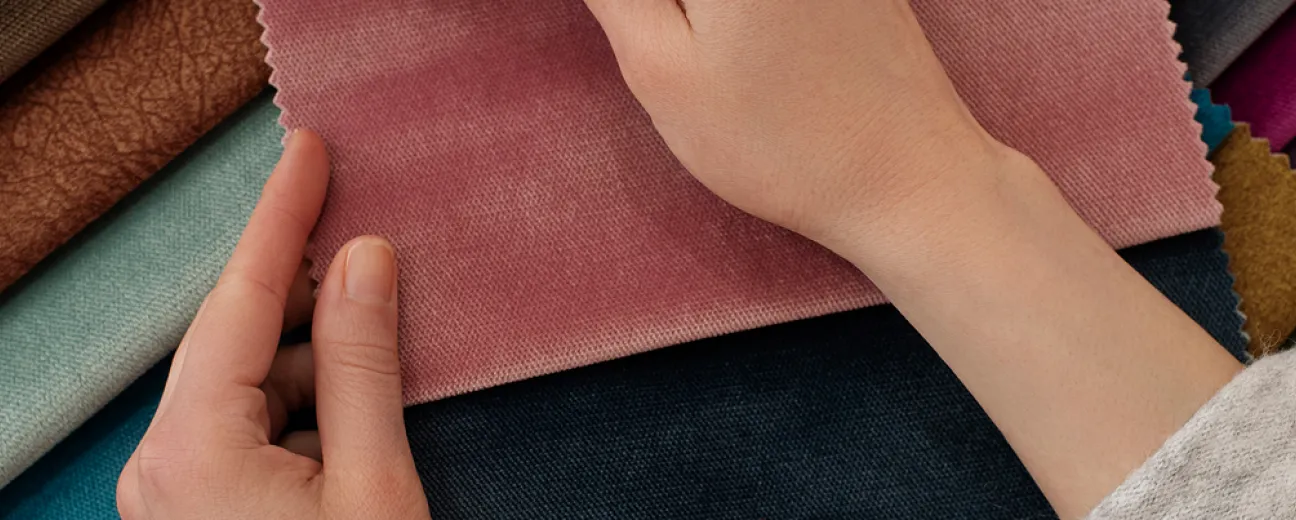
A good bread bag should not be made from synthetic fibers, which are not always health-safe; instead, it is preferable to choose bags made from natural cotton or 100% pure linen—eco-friendly materials that are breathable and able to absorb moisture, facilitating air exchange and protecting the contents from dust, mold, and dehydration.
To ensure continuous air circulation, a quality fabric bag should never be sealed airtight; indeed, the bread bag’s fabric contains micropores that allow proper breathability, preserving the bread’s aroma and preventing mold formation. Thus, fabric is a truly hygienic and ecological alternative to plastic or paper-plastic bags.
Customizable with printing or embroidery of your restaurant’s logo
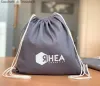
If you own a restaurant, bread bags offer an excellent opportunity to increase your brand’s visibility: you can print the logo or restaurant name—using screen printing or hot foil stamping—or embroider it. Once customized, you can present the bag containing fresh bread at the table, perhaps alongside charming olive oil bags.
Not just for storing bread: other possible uses of the bread bag
The bread bag can be an indispensable kitchen accessory, but it also lends itself to other uses.
To add a rustic touch to the table setting
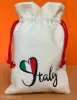
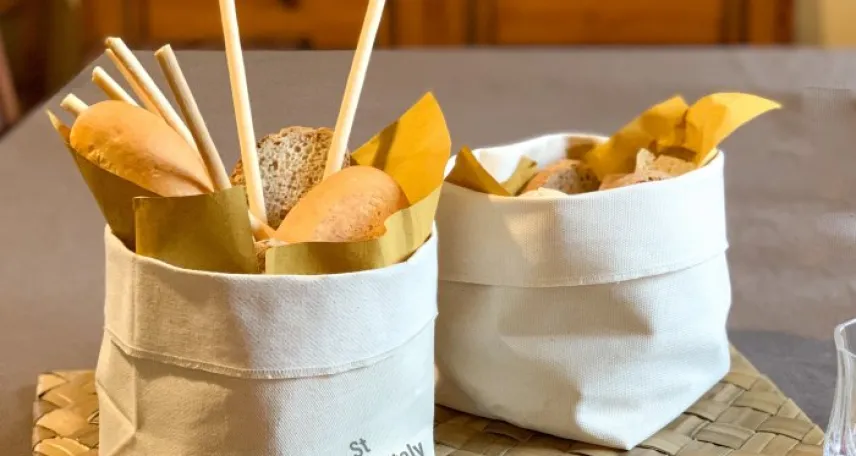
Whether for a dinner at home with friends or family or to set the table in your restaurant, a fabric bag like this bread basket made from 100% natural cotton Made in Italy can make the setting much more distinctive, with a rustic and ecological style while showcasing the baked goods you want guests to taste.
It is recommended to line it with bread paper or parchment paper before placing the bread inside.
An alternative gift when invited to friends’ dinner
If you have been invited to a lunch or dinner at a friend’s home but don’t want to arrive empty-handed or with the usual bottle of wine, you can bring the bread basket! Choose sweets from a bakery, candies, or fresh fruit and create an attractive package with the fabric bag. Once the contents are finished, the recipient can continue to use it as a bread bag. A truly alternative, charming, and practical gift!
As a container for other food items
Fabric bags conform well to the shapes of their contents, so they can also be reused for purposes different from the original one. For example, to maximize the use of a bread bag, you can also use it as a centerpiece to hold fruit. Alternatively, you can use it in the kitchen to store coffee packs, legumes, or dried fruit.
Take a look at our catalog to find many other bio-ecological bags for containing food!
If, at the end of operations or in the future, the services and agreements are not renewed between the parties, both agree that the Supplier must provide knowledge and all project materials to the Client’s staff or to a designated third party. Knowledge transfer costs will not exceed 10% of the total costs incurred for the project and must be completed within a maximum period of 3 (three) months.
At the end of the legal duration of the SLA, if services are not renewed between UNAIDS and the Contractor, both parties agree that the Contractor must transfer knowledge to a new service provider (third party) or to UNAIDS staff members for the scope defined in this Service Level Agreement. Both parties agree that upon SLA termination, the Contractor will restore to UNAIDS all documentation and data collected through service provisions. Additionally, both parties agree that at SLA expiration, the Contractor will be responsible for knowledge transfer to the potential new service provider to be completed as soon as possible and within a 3-month period.