
























In questo articolo
Fabric packaging is a sector in continuous expansion, also for food purposes. Driving this development are new technologies that allow working with fabrics in many different ways, and the renewed eco-sustainable spirit of consumers, who today are much more attentive to what they buy.
The bags to be used as packaging can be made from different fabrics – from natural and/or certified to artificial and synthetic – and in various shapes and sizes to contain any product: small items such as jams and cookies, or large articles like bottles, cured meats, cheeses, and even Christmas gift baskets.
Customised down to the smallest details with drawstrings, closures, zips... and the brand logo, large fabric bags can be used in any sector, from transport to cosmetics, from luxury to food and catering.
Let us review the characteristics and benefits of large bags for food use.
Bags with particular dimensions: which fabrics are most suitable for extra-large packaging?
Cured meats, sacks of potatoes and legumes, coffee packages, premium bottles of oil and wine... if you need packaging that allows you to store large or numerous items it is definitely better to choose fabrics easy to work and sew, which are tear-resistant and able to withstand the pressure of the weight of what they will contain.
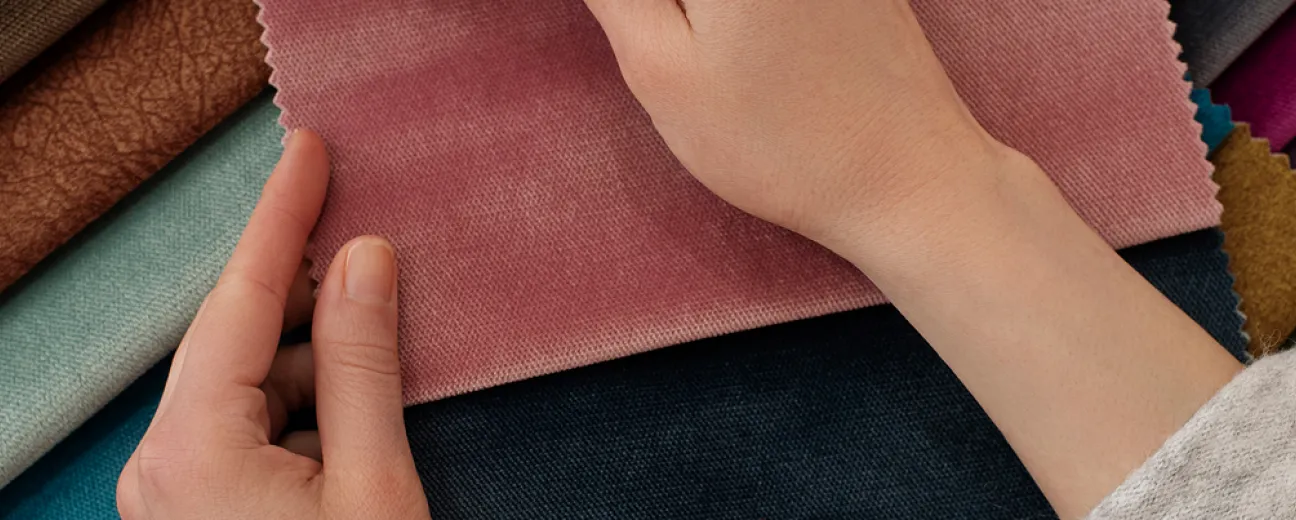
All fabrics can be crafted to create large bags, however some are more suitable for the purpose because they have specific characteristics that make them better suited to these uses compared to others.
Among these are natural fabrics such as jute (used precisely for transporting large loads of heavy food goods such as potatoes and sacks of legumes) and linen, as well as artificial fabrics like non-woven fabric or microfiber.
However, it is important to consider that these bags must contain food, that is, goods that spoil easily and need to be stored in breathable and absorbent packaging that is safe and at the same time ensures product integrity.
From this point of view, natural fabrics such as the already mentioned jute and hemp are the best choice, along with cotton. The latter is among the most suitable for food fabric packaging because it is versatile: it can have different weights depending on how it is processed and adapt to different products.
Therefore, there is no limit to the bag size; depending on its use you can find the one that best fits your needs in terms of appearance, strength, and dimensions.
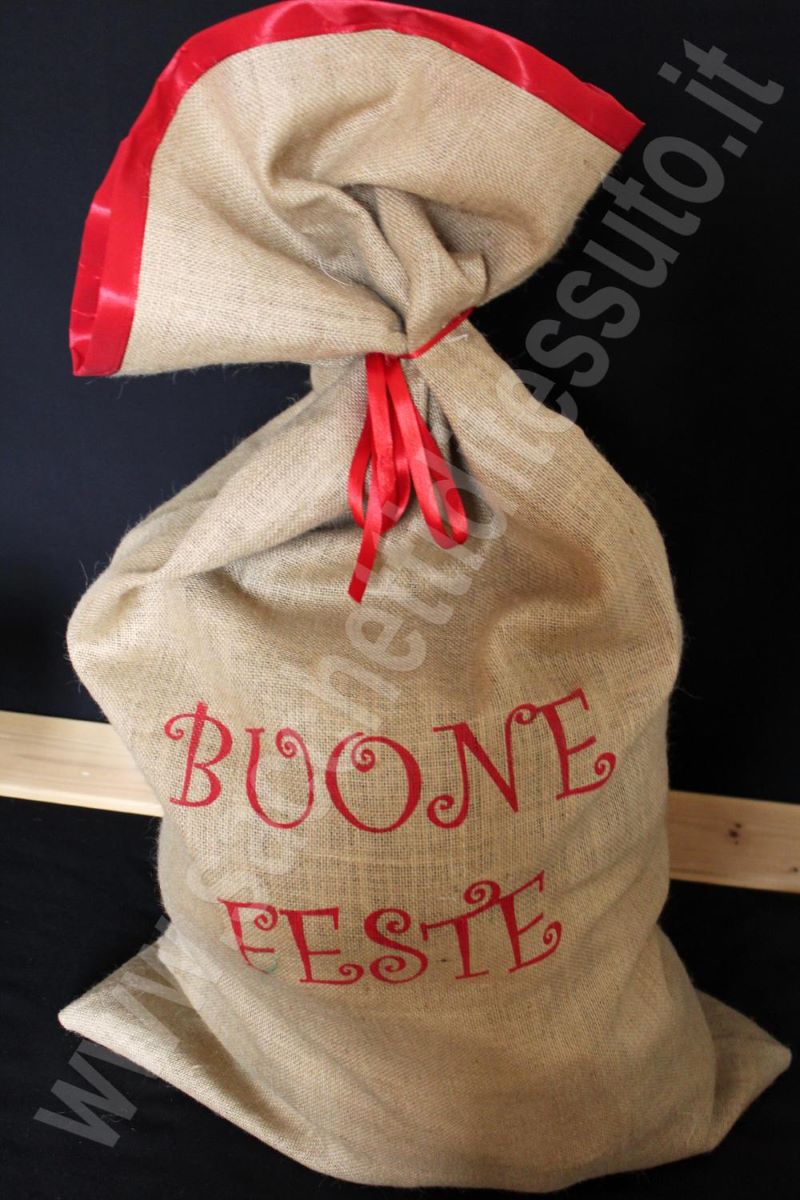
In our catalog, there are also extra-large options, such as this Christmas jute sack which, in its standard version, measures 50x90cm and can be customised on request:
Thus, the possibilities are numerous. Looking for ideas?
Here are 5 suggestions for using fabric packaging as packaging for large food products.
1. At Christmas: the large bag for panettone
During the Christmas season, some of the most purchased foods are panettone and pandoro, while at Easter the star of our tables is the colomba (along with chocolate eggs, naturally!).
They are all large products that, due to their delicate nature, require fabric packaging that is durable and large, but also breathable and safe to preserve the freshness and flavor of freshly baked sweets.
In these cases, it is advisable to use natural and 100% safe fabrics, both for the health of those receiving the gift and to protect the delicious product inside.
For example, we at Sacchetti di Tessuto have created an eco-friendly natural cotton panettone bag with candy-style closure. Equipped with a square base, it is wide enough to hold artisanal Christmas panettoni and pandori without risking deforming the product.
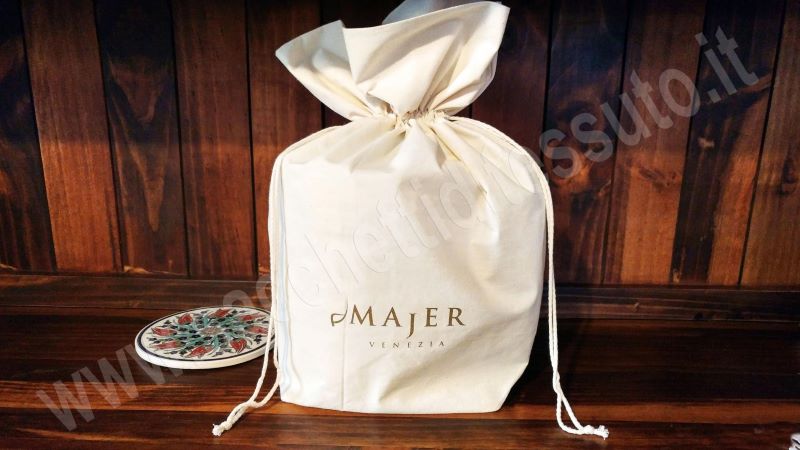
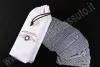
The following bag, also made of natural cotton, features a charming and convenient candy-effect closure. It can be used as an exclusive and original packaging – useful to protect not only panettoni and pandoro but also sweets and cookies – and as a gift to bring to friends and relatives for the holidays.
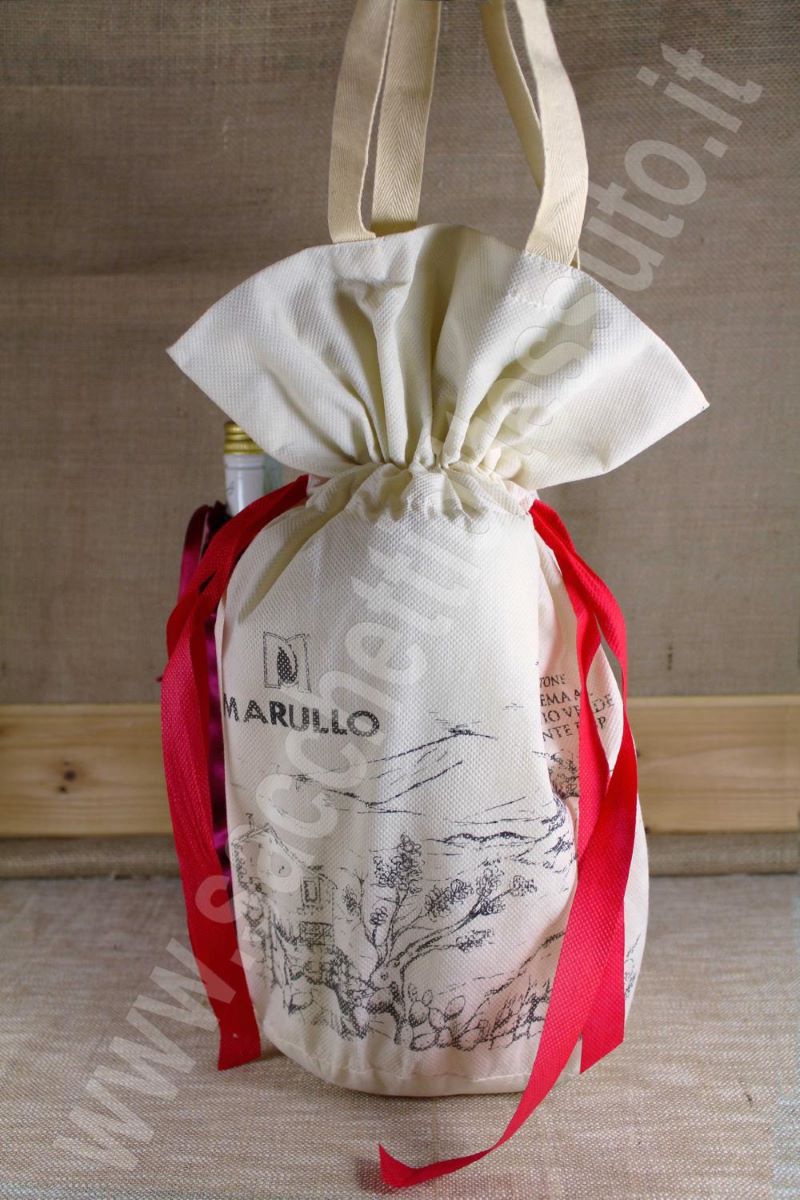
2. Bags for packaging bottles of wine and oil
Do you produce oil or run a distillery? Bottles have a particular shape and size, and it is not always easy to find the right packaging. Fabric bags can help because they are also available in large sizes and in a vertical format, as well as adding a touch of originality to your product.
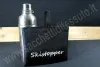
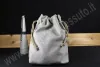
Here is, for example, a grey melange cotton cover: this packaging stands out for style, elegance, and convenience. The finished flap closure can be adjusted in height to suit what it will contain.
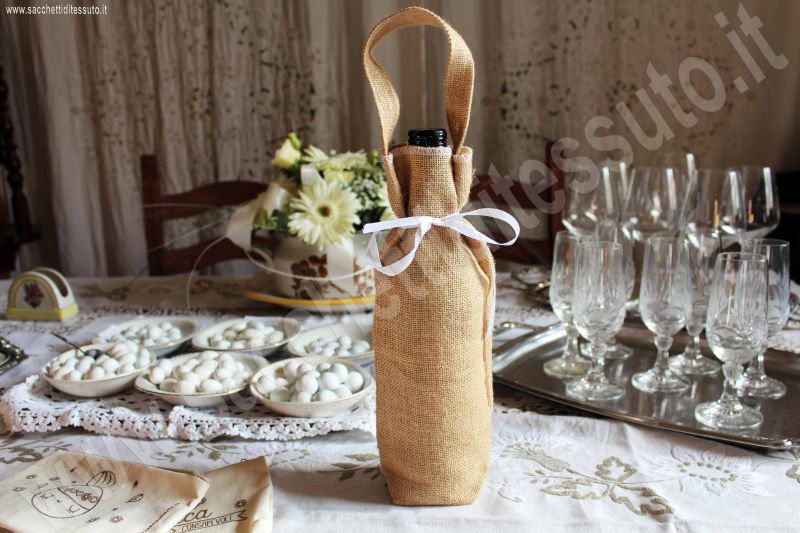
While a 100% natural jute cover bag is ideal for those who want more traditional packaging or to decorate a restaurant table for ceremonies or holidays. It fits standard 0.75 L bottles and features a handle for easy carrying.
3. Bags for cured meats and cheeses, large and small
Cured meats and cheeses can be very bulky and heavy products; they have a longer shelf life compared to other foods, but they equally require breathable and liquid-resistant fabrics that prevent mold formation.
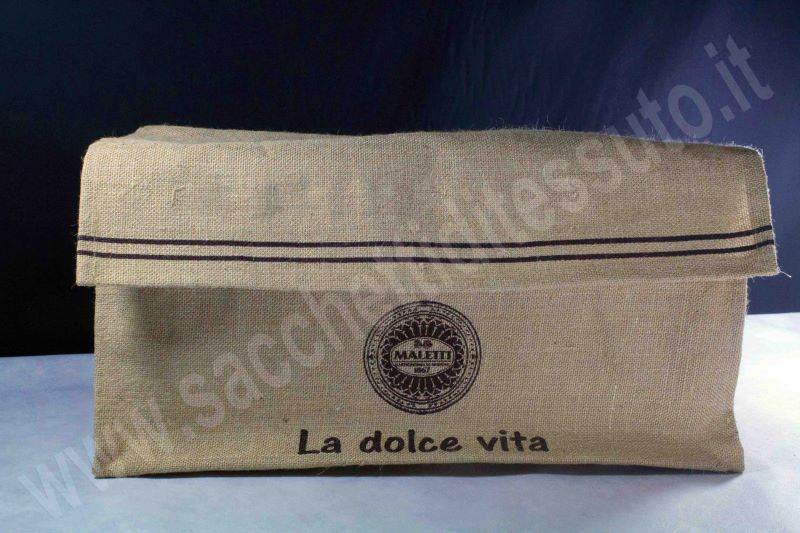
An idea for these items, especially for special promotions or holidays, is the resin-coated jute tote, with side handles, Velcro closure, and customizable with water-based screen printing. It is durable and safe for food storage, and buyers or recipients can keep it on a kitchen shelf using it either as an accessory or to store other cured meats in the future.
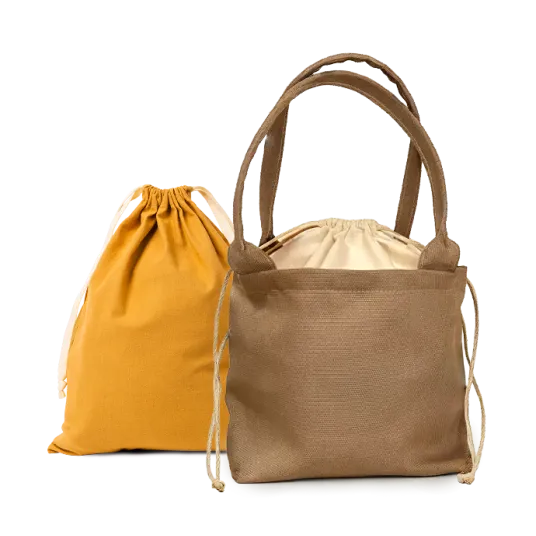
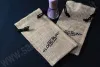
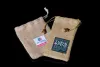
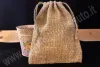
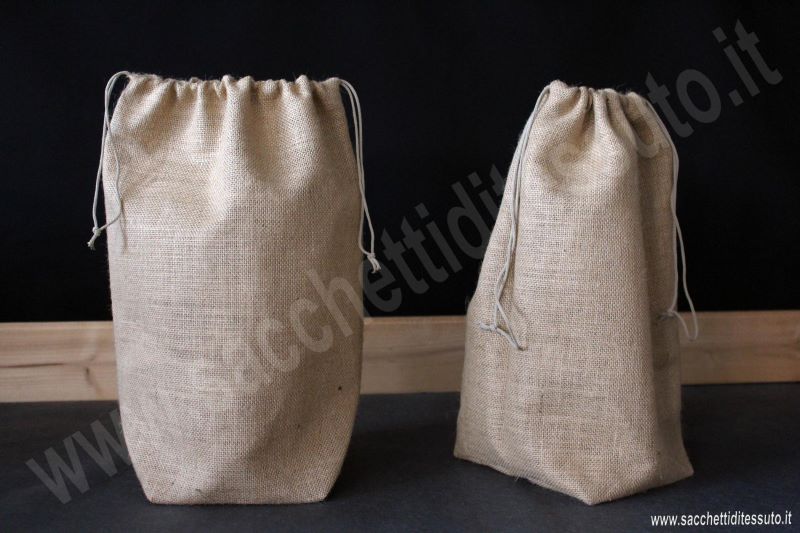
Alternatively, you can create a natural jute bag made to measure for each packaged food product: jars of jams, bottles of wine and oil, cheeses and cured meats, bread. One example? This 100% ecological untreated fabric packaging with drawstring closure and square base is durable and roomy because it is designed to support its contents without deforming during transport:
4. Jute or cotton bags for potatoes and legumes
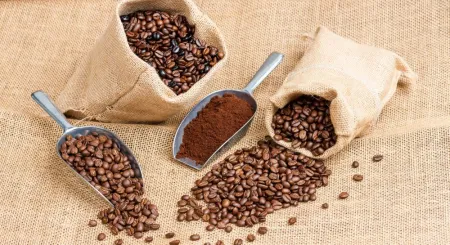
Products such as potatoes, legumes, or coffee are often sold loose and in large quantities and require very large packaging. The need for durable packaging in these cases leads to the choice of jute, which is among the best natural fabrics for heavy transport.
So, if you need packaging that can withstand significant weights for transporting large quantities of food, there is the natural jute bag with jute drawstring. This is a completely ecological and natural solution, hard to tear and easily washable for long-term reuse, also ideal for containing nuts, dried fruit, or preserves.
If you do not want to limit yourself to jute and want to explore other fabrics, there is the heavy natural cotton drill bag with double cord closure. It can be custom made according to your requirements and is suitable for holding medium-large packages of legumes, cereals, cured meats, and various foods.
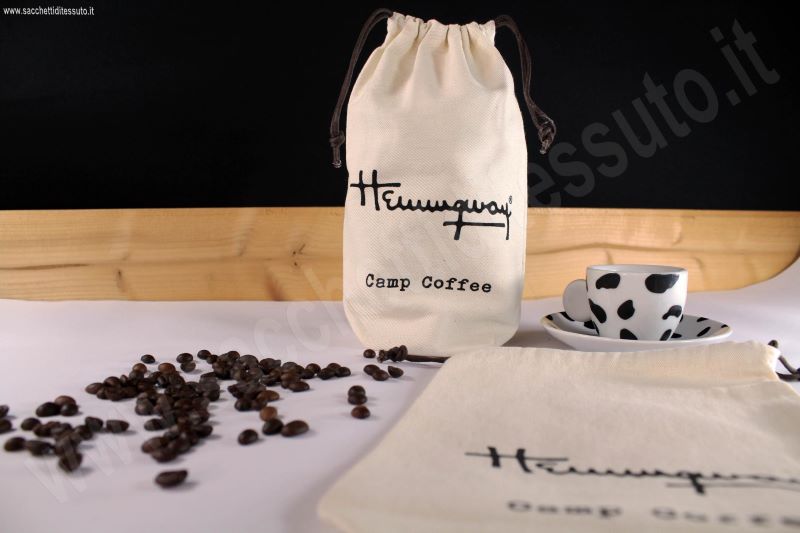
5. Customised natural cotton bag with transfer printing for various foods
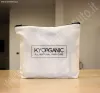
For brands seeking a bag that can contain all the food products for sale while at the same time communicating their ecological choice, there is the ecological natural cotton bag certified Oeko-Tex®. A very elegant model with natural cotton drawstrings and customised with full-color transfer printing.
This model comes in dimensions 20L x 30H but can be customised in size according to the request. Durable, natural, and soft, it can adapt to every type of content and become a recognition symbol for your store, workshop, restaurant, or e-commerce.
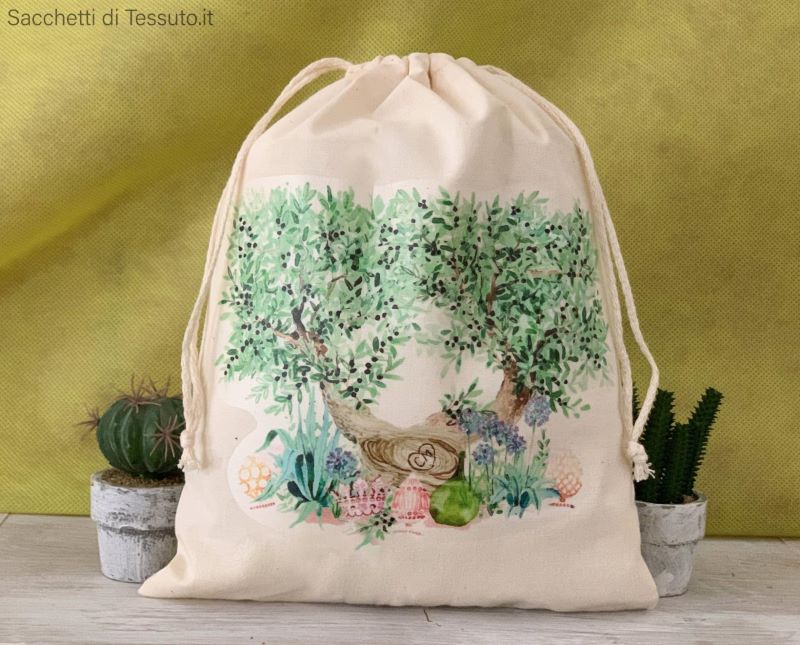
It is eco-friendly, 99% biodegradable, and the transfer print is resistant to many washes. You can order a large quantity and use it for all your products: cured meats or bottles of oil, legumes and cereals, and much more.
Which bag best suits your products?
Do you want to create a large fabric bag for your packaged food products? We offer a wide range of alternatives in fabrics, sizes, and designs to choose from. If you prefer a custom bag, we can help you create packaging of any size and material to meet your every need.
Take a look at the catalog to discover our creations!