















































In questo articolo
In recent years, a new approach to the restaurant industry has emerged, one that is more socially responsible and attentive to the environmental challenges of our time: we are talking about sustainable or eco-responsible restaurants.
These establishments aim to achieve good revenue while minimizing their impact on the ecosystem, taking responsibility for their social and environmental footprint.
This new way of conceiving the restaurant business implements innovative—and alternative—procedures and technologies to make the enterprise more sustainable, reduce fixed operating costs, and offer service at a lower, competitive price.
To be defined as eco-responsible, a restaurant must apply measures to reduce its emissions and promote sustainable consumption: here are some key steps every sustainable business should consider.
1. Offer seasonal, homemade dishes made with zero-kilometer products
Create menus with seasonal dishes using local products, fresh from the day and purchased from suppliers who guarantee zero-kilometer fruit and vegetables.
Also ensure that these suppliers are truly sustainable: that is, whether they participate in fair trade, use biodegradable packaging materials, and manage deliveries to reduce fuel emissions.
Many restaurateurs prefer to have their own vegetable garden, even a small one, as it can support the sourcing of raw materials needed to prepare dishes.
Foods such as cheese and dairy, jam, or vinegar are often homemade as well: this ensures serving healthy, quality dishes and avoids purchasing products containing chemicals and preservatives.
Meat is not excluded from eco-responsible restaurants, provided it comes from non-intensive farms, meaning farms where animals live a lifestyle similar to that in the wild.
2. Offer a varied and healthy menu
A sustainable restaurant does not mean vegan or vegetarian, quite the opposite: it stands out by offering a varied and healthy menu, where fried foods, meat, and fish dishes are not excluded. This is one of the main advantages of these businesses, as they allow their customers not to give up on taste and “temptations” while relying on fresh and controlled products.
The desire to create new recipes with seasonal vegetables or legumes, purchased from suppliers who do not use chemicals, remains central.
When deciding on the menu, try to limit the number of courses and ingredients to what is strictly necessary. Offering too many—and rich—variants increases the risk of not being able to use always fresh, low-impact ingredients, leading to more waste.
3. Minimize food waste
It is important to adopt a system to reduce food waste as much as possible—or eliminate it if feasible:
- Donate unsold food at the end of the day: there are companies and associations that distribute still-good food and apps that connect food retailers with customers mindful of responsible consumption.
- Carefully monitor inventory and expiration dates: to avoid excess food or expired items that must be thrown away.
- Do not over-serve portions: choose the quantity that fits customers’ actual consumption, so they do not leave food on the plate (which would then be discarded).
- Reuse waste oil: after frying, oil can be used outside the kitchen. Simply collect it in glass jars and bring them to designated local recycling points, where it will be recovered and reused.
4. Install eco-energy equipment
Photovoltaic panels, LED lights, thermal insulation, and similar solutions can be adopted to make your sustainable business more eco-friendly. These require some investment, but equipping lighting, air conditioning, ventilation, and cooking systems with reduced consumption can prove advantageous not only for the environment but also for your utility bills.
5. Allocate proper space for recycling
Set up areas inside the premises to manage waste collection appropriately. In the bathroom, kitchen, or a corner of the restaurant, there are many places to position bins. Provide containers and signs with clear instructions for separate waste collection to help customers and staff recycle correctly. Finally, install water-saving devices such as low-flush toilets and filtration systems to serve tap water instead of bottled water on tap.
6. Use sustainable items: cutlery, furniture, appliances, utensils
Choose glasses, cutlery, straws, tableware, and furniture made with recycled materials or composed of more ecological materials to minimize the use of plastic and polystyrene foam.
Serve wine directly from the barrel: glass bottles take many years to decompose. You can do the same with beer, favoring craft beer stored in barrels that can be poured directly.
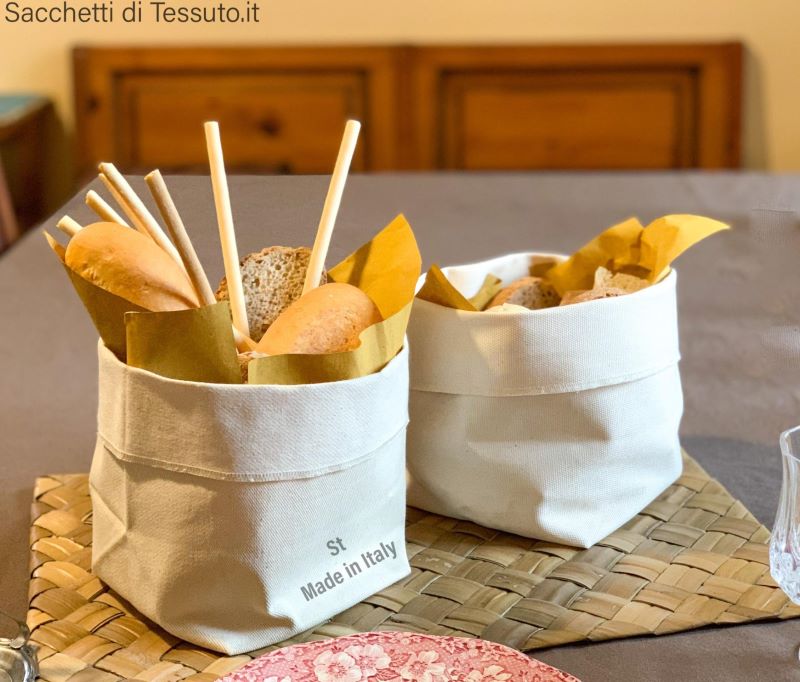
You can reduce plastic use by choosing an alternative packaging method: fabric bags. Natural fabrics like hemp, jute, and cotton are very durable and can be used to package food and adorn the table. For example, you can use cotton fabric bread bags to set the table, a fabric that can be washed multiple times, eliminating single-use plastic alternatives.
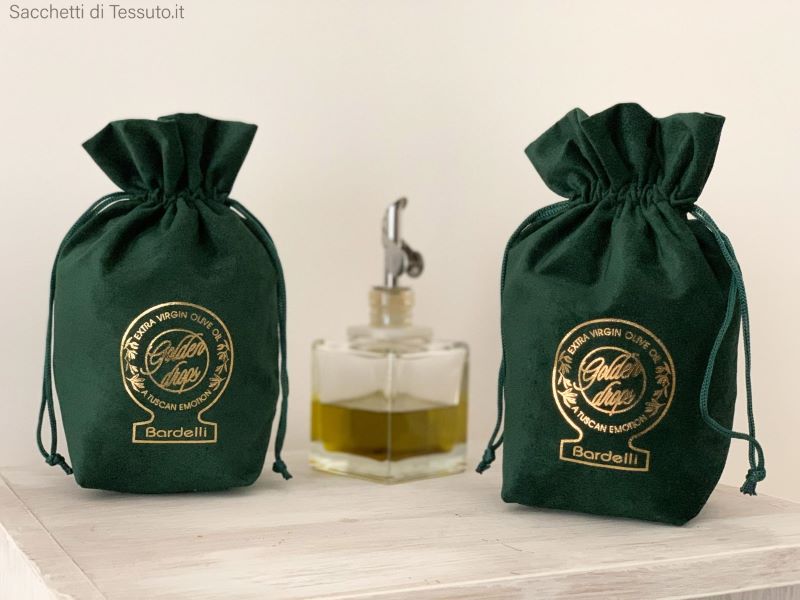
Alternatively, you can package condiments in charming bags: for oil, use velvet bottle holders that can also be customized with your restaurant’s logo.
Alternatively, you can choose the jute version, a 100% eco-friendly and recyclable fabric.
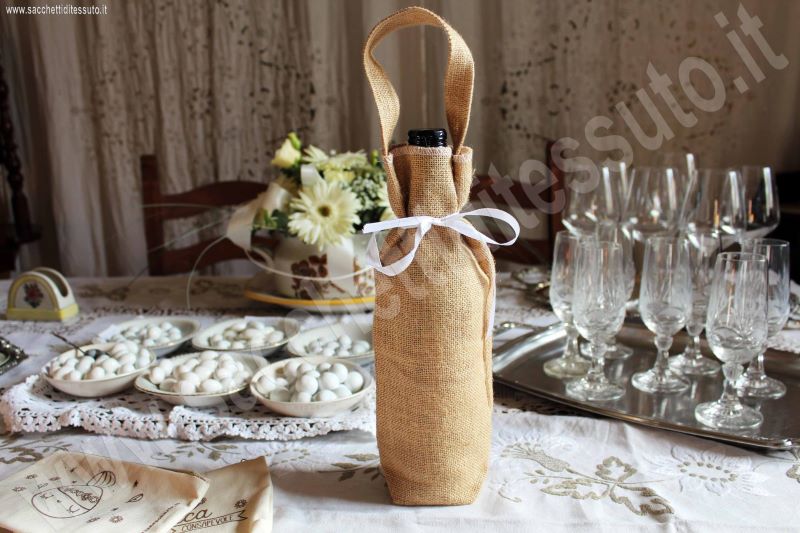
You can present salt, pepper, and vinegar on the table in a dedicated natural ecological cotton bag, which you can also reuse as a container for spice jars or coffee and tea packaging. Finally, you might choose jute bags for storing your kitchen’s potatoes and onions or store bulk legumes in cotton bags.

The advantage of fabric bags also lies in the endless possibilities for customization: you can print your logo, business name, and any image you desire.
Placed in plain view on the tables of your sustainable restaurant, these packages will enrich the mise en place, adding an extra touch of style.
For further reading: 5 tips for setting the table
A sustainable restaurant uses ecological packaging!
Did you like the fabric bags we showed you? They are just a sample of what you can find in our catalog. Visit our website and find the best fabric packaging for your sustainable restaurant. And if you don’t find the right one, contact us, we will create it together!