



























In questo articolo
Compostable bags, paper bags, plastic bags, or fabric bags: which do you prefer when you go shopping?
Every time we shop in a store or buy online, we purchase not only products but also their packaging.
Packaging is an everyday item, but it is not always made from eco-friendly substances and is often not properly disposed of.
This impacts the ecosystem negatively.
To promote greater environmental protection, many countries encourage the use of bags made from plastic-free materials such as paper, fabrics, bioplastic, compostable or recycled materials.
There are therefore many alternatives, and among the most ecological stands out the compostable bag, which decomposes in a very short time without leaving harmful residues for collective health or pollutants for the environment.
This type of packaging is quite fragile and not very customizable, which is why many brands that seek packaging that is durable, long-lasting, and aesthetically refined cannot use it as primary packaging for their business.
What is the best alternative for businesses aiming to adopt green packaging? Our answer is to choose bio-ecological fabric bags: sustainable, extremely durable, and recyclable!
Let’s take a closer look at what these are and what distinguishes them.
What are compostable bags
Compostable bags are mainly used in the food sector, for organic waste collection, and in all situations that require products that can be disposed of in the environment. They are made using plant-based substances, especially Mater-Bi, which is derived from corn.
In Europe, each bag must be tested according to the EN 14046 standard (also called ISO 14855) and defined as compostable if, after six months in a carbon dioxide-rich environment, at least 90% of its surface breaks down.
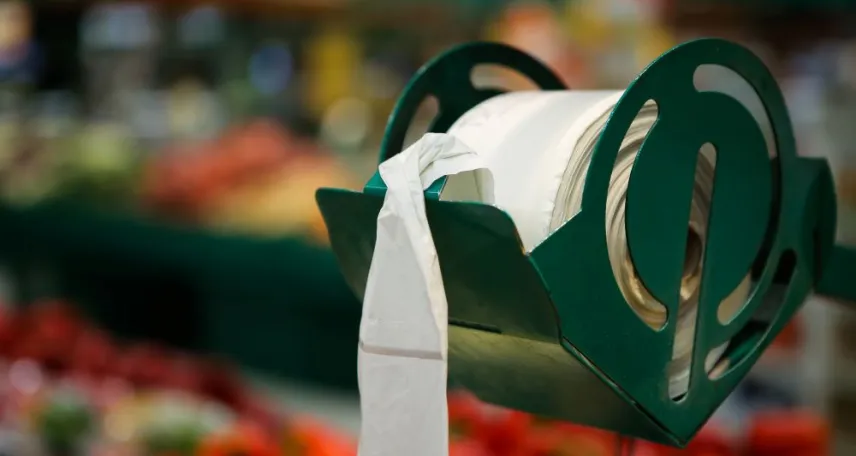
You often see them in supermarkets, used instead of plastic bags for carrying groceries or to contain loose food purchased in the fruit and vegetable department.
They are also available in small shops since, starting from 2017, D.L. 91/2017, art. 9-bis prohibits the use of plastic ones.
Being products of vegetable origin, the decomposition process takes less than 3 months. Disposal is therefore simple and fast, and their environmental impact is significantly lower compared to other alternatives used in the past.
However, the remarkable decomposition characteristic does not justify littering these bags in the environment, as they must be recycled through the proper use of moisture, heat, and oxygen.
Compostable does not mean biodegradable
Many people confuse the term compostable with biodegradable. These two expressions seem similar but refer to different materials and processes.
Compostable means a material that – as the word suggests – can turn into compost, a kind of soil amendment obtained through a biochemical process that exploits the metabolic activity of invertebrate animals – such as earthworms – and some bacteria, fungi, and other soil organisms to break down matter. What is compostable therefore has a limited lifespan and fully returns to nature, transforming into natural fertilizer or manure: for these reasons, it is seen as the most ecological and sustainable material for the environment.
Biodegradable material must also break down into simpler elements but never fully decomposes because it contains plastic. The residual plastic dust remains in the environment for decades. Additionally, biodegradation times depend on the type of material the object is made of and the environment where decomposition begins.
Finally, it should be noted that compostable material is always biodegradable, but a biodegradable material is not necessarily compostable.
Bio-ecological fabric bags: what they are and their advantages
Among the alternatives for more green and durable packaging is certainly the bio-ecological fabric bag, made from natural and/or certified fibers, biodegradable, and produced using sustainable industrial processes.
Packaging, by definition, is the wrapping that contains the sold products. But it also has other functions:
- first and foremost, it must protect the products (or food) not only during transport from store to home but also when stored in closets, drawers, shelves, or other places for future use. It must therefore be resistant to tears, dirt, dust, and moisture;
- it has an esthetic function, requiring customization to align with brand graphics, as today it effectively serves as a tool for corporate marketing.
Compostable bags, being fragile and short-lived, are not suitable for brands wanting to leverage packaging to promote their image effectively. Bio-ecological fabric bags, on the other hand, have the necessary qualities to be used as primary packaging.
Sustainability is essential for brand image, but there are other qualities not to overlook
Sustainability has become a core aspect of marketing, but it must be combined with other important features for brands and their customers: recognizable colors, eye-catching appearance, form, resistance, and durability.
A crucial feature for a bag is health safety for people and the environment: it must not cause allergic reactions, release microplastics, or alter the composition of the products inside.
This is why bio-ecological fabric bags may be the best solution for many brands. We are talking about creations made from:
- cotton and hemp, for those seeking a “raw” but at the same time durable, original, and pleasant fabric to the touch and sight;
- linen, for alternative packaging;
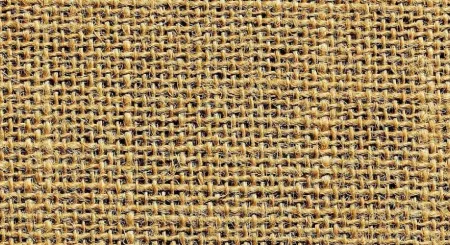
- burlap (jute), for those wanting something more natural, simple, and rustic.
In all cases, these are durable and recyclable materials capable of enhancing products and accompanying customers for many years.
The fabrics mentioned are long-lasting and customizable in many ways: you can choose their shape and color, add strong stitching, sequins, and pearls, and apply various printing methods to achieve equally durable graphic results.
This is demonstrated by the creations in our catalog. Here are some examples.
Custom bio-ecological fabric bags: our creations
We have worked in the fabric packaging sector for over a decade, during which we have expanded our offering with a collection of 100% sustainable bio-ecological fabric bags adaptable to any sector.
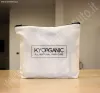
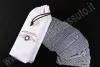
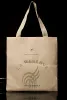
Examples? Take a look at the natural cotton mesh shopper with reinforced handles. Certified Oeko-tex®, the fabric of this bag poses no health risks to consumers. It can be used at trade fairs or as packaging for cosmetics or food products.
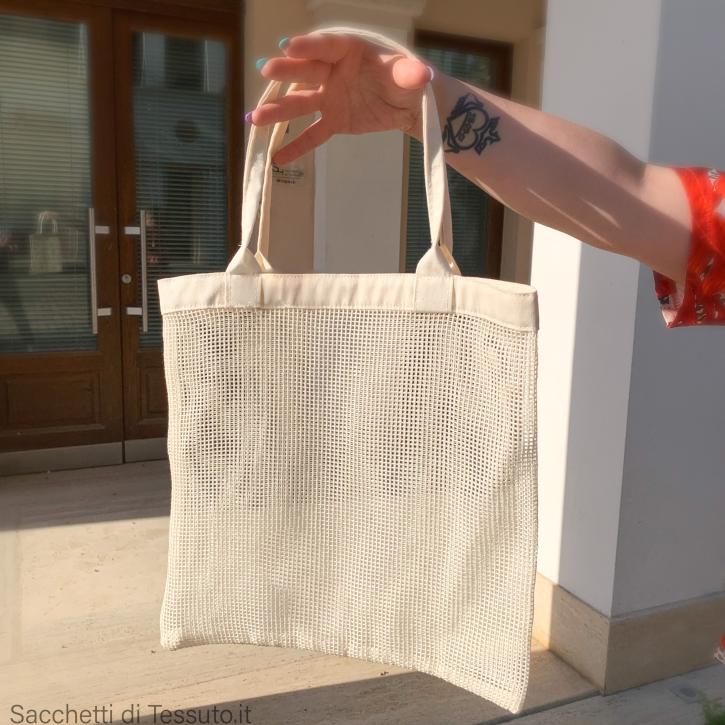
The appeal of cotton can take many forms: it can be combined with various fibers and processed differently to take on various appearances. You can find it not only as semi-transparent mesh but also as muslin, raw canvas, melange, and many other variations.
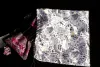
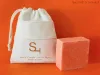
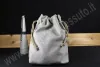
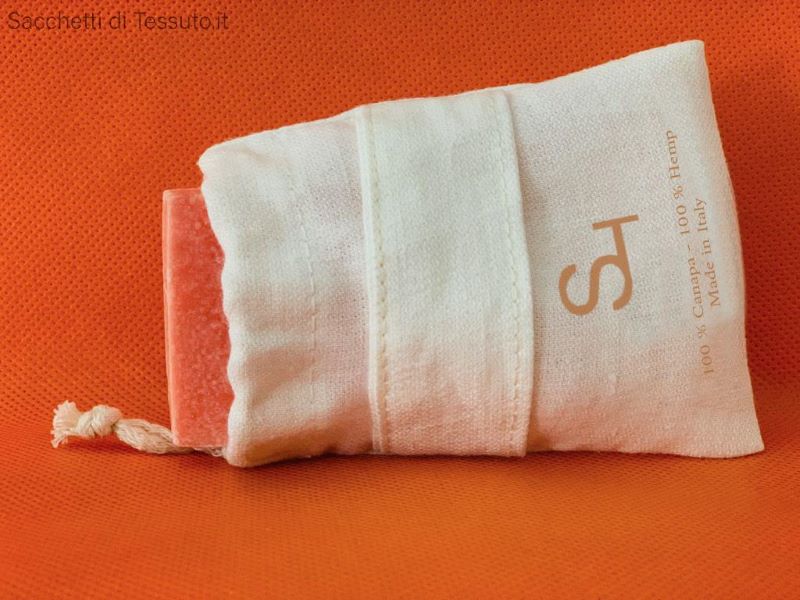
What do you think about hemp? To discover it, we propose this soap bag. Ecological and convenient to use, you can customize it with pastel color printing using 100% eco-friendly water-based inks (screen printing technique). With its softness, it can wrap a bio soap inside, becoming a practical shower mitt, which you can hang thanks to the side loop.
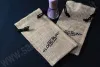
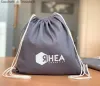
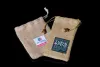
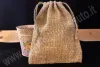
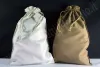
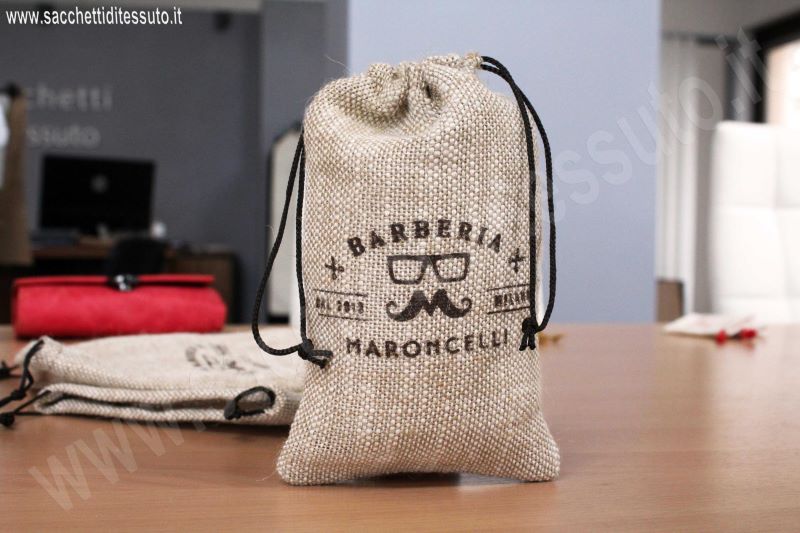
For those who love rustic style without compromising convenience and durability, there is the jute-cotton mixed (juco) bag with drawstring closure. The fabric is completely natural and ecological, made from natural cotton and jute yarns combined into a cream melange fabric. Soft and practical, it can hold cosmetic and barber products.
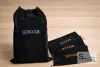
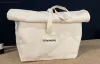
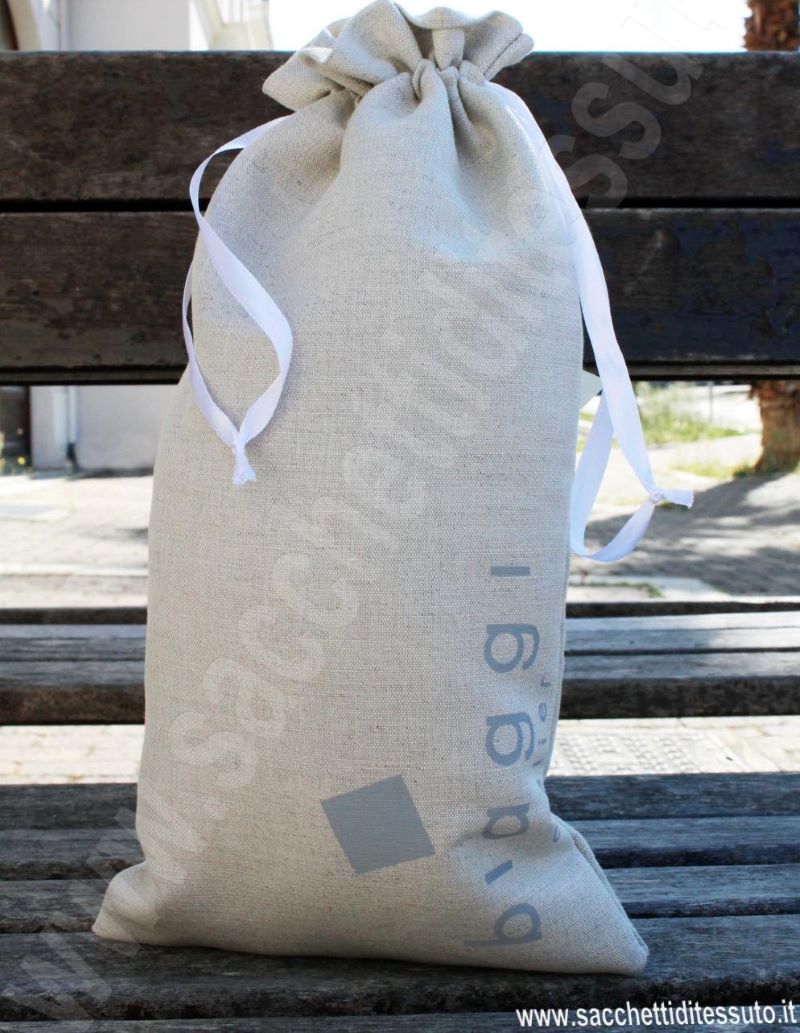
Finally, we want to show you this pure linen bag, comfortable and elegant thanks to the candy-style closure with white satin ribbons, suitable for clothing brands, luxury accessories, ateliers, and boutiques.
These creations are only a preview of what you can find in our catalog!
Contact us! We can find together your bio-ecological fabric bag to customize, making it 100% sustainable and consistent with your brand’s image.