






In questo articolo
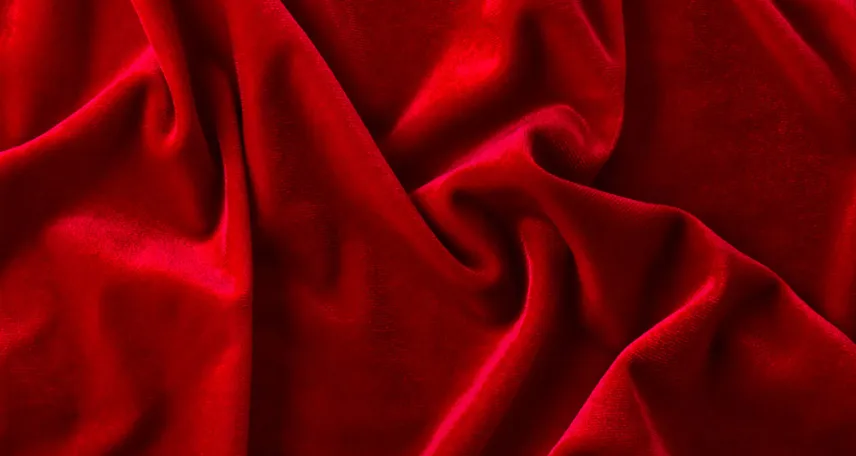
Originating from the Asian regions between Iran and Iraq, velvet is a fabric that, with its bright tones, has always symbolized wealth and nobility.
It is chiefly thanks to the great skill of Italian artisans that this fabric has been appreciated and spread throughout Europe. Today it can still be admired across many sectors: from the catwalks of famous designers to home decorations, and even in fabric packaging for cosmetics, perfumes, and luxury accessories.
Let us explore together the history and characteristics of this alluring fabric.
The history of velvet and its use
The history of velvet begins in the 13th century in the East. In the following century, it reached the hands of Italian artisans, particularly those in Venice—who had contact with the East—and Palermo, via Arab importation. It was here that the first European velvets were crafted, imitating the Eastern ones.
Over time, interest in this fabric grew, and it was in the early decades of the 15th century that it began to be exported to various European countries, attracting particular attention from the noble classes.
During the Renaissance, velvet was combined with materials such as gold and metal to convey luxury and wealth. One of the largest clients for velvet at that time was the Church, which, alongside wealthy families, considered velvet indispensable not only for clothing but also for upholstery.
With the Industrial Revolution, the production of velvet became easier and faster, making the fabric more widely available and economically accessible.
Today, the fabric is used to produce various items:
- for clothing
- for furnishing elements such as curtains, furniture, and carpets
- in construction as wall covering for interiors
- as upholstery in the automotive industry
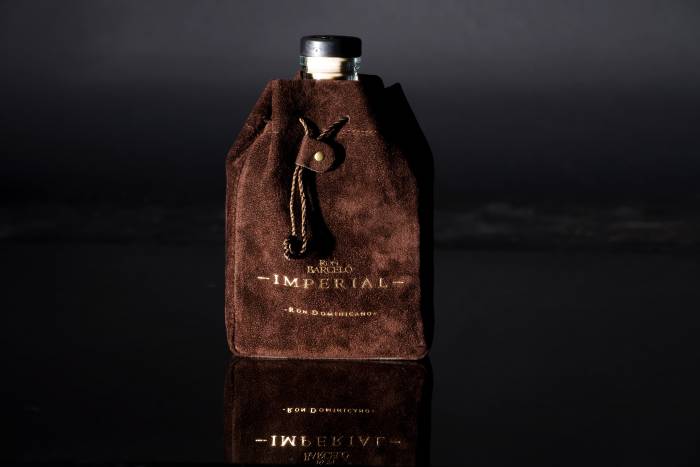
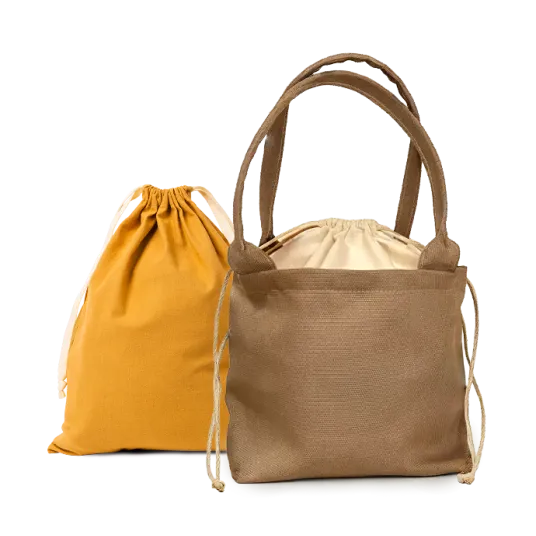
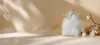
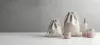
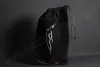
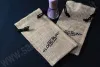
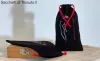
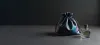
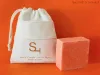
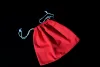
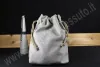
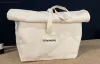
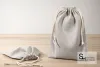
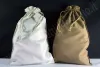
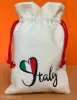
- as fabric packaging for valuable items such as bottles, jewelry, and perfumes.
Velvet fabrication
There are two main categories of velvet: warp velvet, which is the classic velvet with the pile formed by the warp, and weft velvet, with the pile formed by the weft.
Warp velvet was originally made of pure silk, but today it is also produced from cotton, wool, rayon, and blends. Its production requires three threads: two warps and one weft.
Weft velvet is further distinguished into smooth and corded velvet. After weaving, it is cut by hand or with special machines.
Depending on the processing method, the resulting velvet type differs:
- Figured velvet: velvet with patterned decoration created using a jacquard loom. Here, the design is woven into the fabric. By alternating colors and different yarns, a sculpted velvet effect is achieved.
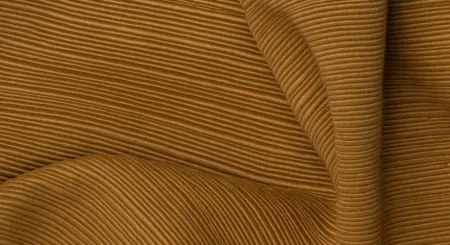
- Cord velvet: a cotton fabric also called cord velvet, characterized by a surface with raised lines which can be wide or narrow, flat, rounded, or double-corded.
- Corduroy velvet: similar to cord velvet but with more rounded ribs. Although fairly durable, it tends to wear with friction.
- Devoré velvet: a special velvet featuring decorative patterns created by chemically dissolving sections of the pile to render the base transparent.
- Froissé velvet: fabric with a crinkled appearance.
- Soprarizzo velvet: obtained by processing the fabric to produce a damask or sculpted effect.
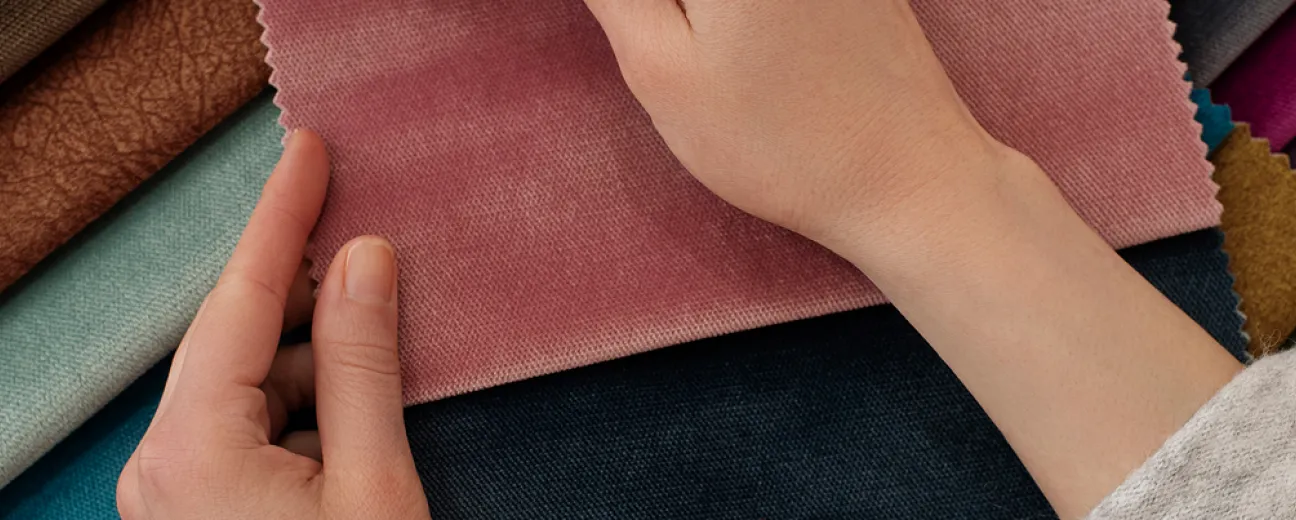
Other types of velvet include velveton, microvelvet, stretch velvet, embossed velvet, chenille, and millerighe. Each finds different applications: as upholstery, packaging, clothing, and more.
Washing and care of the fabric
To keep velvet clean, it is necessary to brush it regularly or vacuum it if used for furnishing accessories.
Brushing should always follow the direction of the pile. To find the pile direction, move your hand back and forth and feel which way the softer side goes.
Dry cleaning is generally preferred, but some types of velvet can be machine washed using a detergent for delicate fabrics, color-saving sheets, and a silk or wool program at 30°C. Spinning should be avoided, and caution is required when using a dryer. It is essential always to ensure the garment is turned with the pile inside. Ironing should be light to avoid crushing the fabric.
Why prefer velvet over other fabrics
Velvet is a fabric that is both luminous and fine but also durable, warm, and soft, as well as presenting a refined appearance. These qualities make it suitable as packaging for equally refined products. Particularly in the luxury sector, it is used as a bag for perfumes and cosmetics, for jewelry, or as elegant packaging for fine bottles of whisky, champagne, or wine.