





























In questo articolo
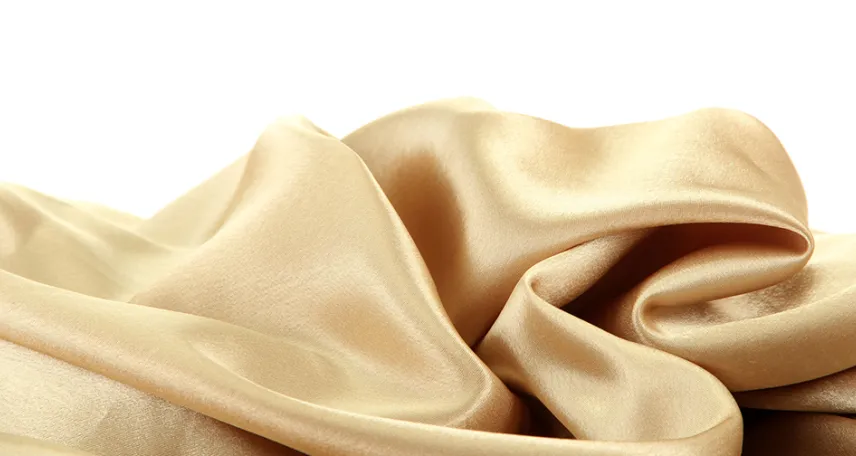
Used since the time of the Chinese Song dynasty, which ruled China between the 10th and 13th centuries AD, satin is a bright and glossy fabric that has reached our era to add a touch of refinement to lingerie, home furnishings, and the packaging of our most precious objects.
Contrary to popular belief, satin is not a fiber but a weave structure - a particular interlacing of warp and weft threads - that can be made using different types of fibers: natural fibers such as silk, wool, cotton, or synthetic yarns such as polyester and acetate.
Let us explore together the history and characteristics of this particular fabric.
The history of satin and its use
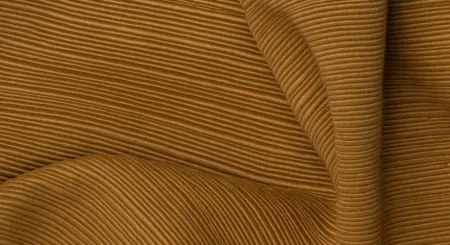
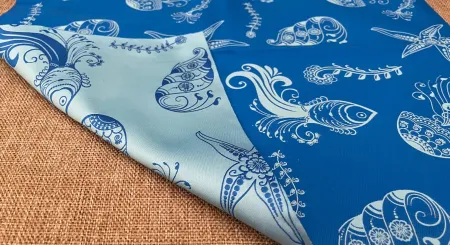
Satin is a smooth, uniform, and polished fabric featuring two opposite sides: one side is smooth and shiny, while the other is matte.
Originating in Asia, satin is closely linked to silk, one of the fabrics with which it can be made. For millennia, satin was produced only in China, under the Northern Song dynasty between 960 and 1127, as a highly prized fabric for clothing and furnishings, while during the later Ming and Qing dynasties it was mainly used as a base for the embroidery on garments of imperial court dignitaries.
In the Middle Ages, satin also gained popularity in the West. Specifically, damask, lampas, and brocade, which have satin as their background weave, are historically noted for their use in making aristocratic clothing and court decorations in Europe.
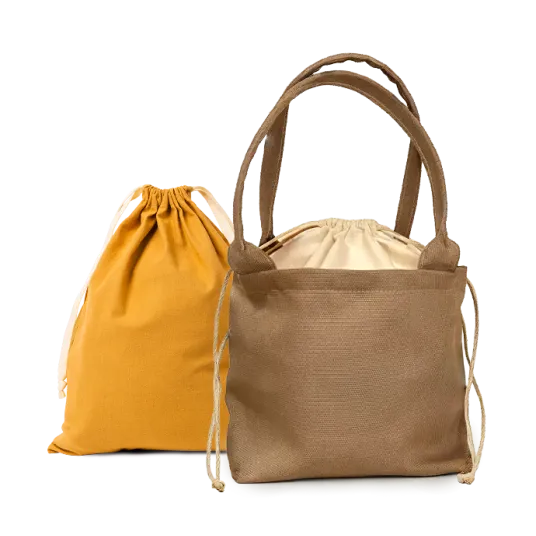
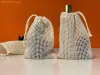
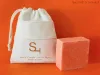
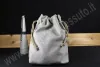
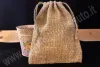
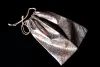
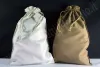
Today, satin is primarily used in clothing – for women's lingerie and wedding dresses – while in menswear it is used for tuxedo lapels. It is used to make elegant dresses, but not only that. Satin is used for nightgowns, blouses, neckties, formal wear, evening dresses, and bed linens. It is also employed in interior design, furnishings, and fabric packaging to give an elegant appearance to protected items – for example, a satin bag for storing jewelry to place inside a jewelry box, or a cover for a newly purchased shirt to hang in the wardrobe – or to create elegant gift packaging.
Satin manufacturing
Satin is a weave structure, i.e., a way of weaving fabric: a warp-dominant interlacing with sparse binding points arranged in a regular, non-consecutive pattern.
The most common satin versions have a regular weave ratio developed over 5 or 8 threads. There is the Duchess satin, the most common, which has a regular weave ratio developed over 8 threads and is also called Chinese satin. It is a very shiny and heavy fabric to the touch, yet not slippery. Then there are irregular weaves such as Turkish satin with a four-thread ratio, Queen satin with six threads, and Marvelous satin with seven threads. There are also satins with wider ratios of seven, nine, twelve, sixteen, and twenty-four threads, which are less commonly used.
The manufacturing process – the weave – varies depending on the fiber used: silk is the predominant choice, but satin can also be made with artificial fibers such as rayon (very similar to silk in beauty and sheen) or synthetic fabrics like polyester.
When working with entirely natural fibers like cotton, the satin weaving process is more difficult because the fiber must undergo the specific finishing called calendering, which involves passing the fabric between a heated roller and a felt sleeve to compress it. This process gives satin its characteristic shiny appearance. There are also fabrics made from chemical silk used for decorations and linings. But satin made with silk achieves a very soft and smooth fabric.

Fabric care
Satin is a refined but very delicate fabric because it is made of glossy fibers that can easily fade or dull. Therefore, it is important to wash, dry, and iron the fabric with particular care and specific precautions.
First of all, hand washing in cold water is recommended, using mild products that do not contain chemical additives. Then rinse the satin in plenty of cold water. Sometimes satin can be machine washed – depending on the fiber blend used – but often it must be dry cleaned or hand washed.
To avoid fading, in subsequent stages it is better not to place the garment directly on clothesline threads, but to use a cotton cloth as a base. When ironing, it is also advisable to use a cotton cloth to prevent direct contact with the hot iron.
Why choose satin over other fabrics
Satin is a luxurious and sensual fabric, particularly recognizable for its shine and very smooth feel, as well as for its glossy appearance which always imparts great brilliance to any garment, furnishing, or object it accompanies. Depending on the fibers used, it can be more or less soft.
It is a durable fabric and, when treated with appropriate care, lasts a long time and resists wrinkling. In fact, a satin bag can be used to transport and store footwear or even motorcycle helmets.
Moreover, the price of satin may range widely: silk satin is the most expensive because it is more refined, soft, and suitable for skin contact, while satin made from synthetic fibers – such as polyester or nylon – is more affordable while maintaining good quality.
Curiosity
Internationally, satin is commonly known by the term satin, which derives from Zeitun, the name by which Arabs referred to Zhangzhou, a Chinese city where satin was likely first produced.