
























In questo articolo
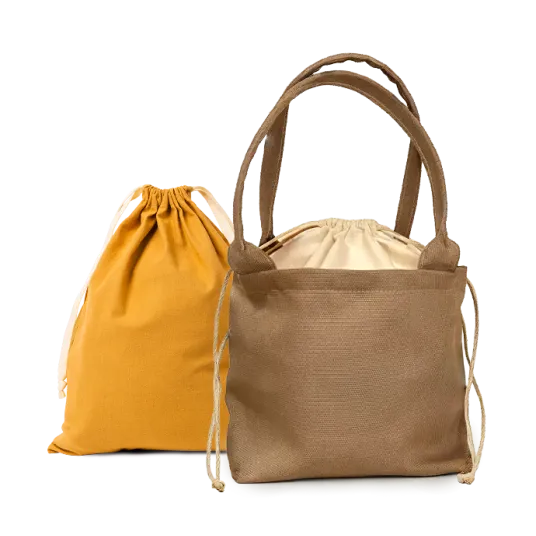
Printing on fabrics is a process that allows applying color onto a piece of fabric to transfer images, designs, and phrases. It has been used since ancient times and has evolved over centuries and across different countries with some technical variations. Today, fabric printing is mainly used to customise clothing items, home accessories such as cushions and tablecloths, for the production of corporate gadgets like bags and fabric pouches, as well as in the sports sector for creating customised garments featuring team colors and logos.
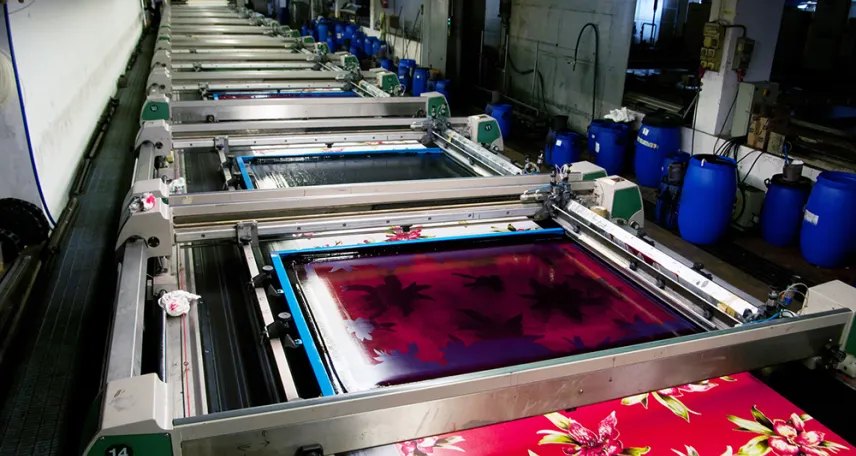
- Screen printing: a fast and economical printing method that involves transferring color from a screen onto the fabric
- Digital printing: the design is printed directly onto the fabric using a printer, without other tools as in screen printing
- Hot stamping: the design is fixed by applying constant heat and pressure provided by a heat press
Which one is the best among these three?
There is no single best technique, as the choice depends on the type of fabric used and the desired result. This article focuses solely on hot stamping.
Hot stamping: what it is
Hot stamping, also called thermal adhesive printing, is a direct printing technique that fixes color onto the fabric by applying pressure and heat generated by a heat press.
Unlike other techniques, hot stamping does not require the use of inks. Instead, it uses a thin plastic film which, when pressed at high temperature against the fabric, transfers the desired design, producing special color effects such as glitter, metallic, mirror, fluorescent, and more. Additionally, this technique does not create a raised image.
The advantages of hot stamping include:
- it adapts to various fabric types such as cotton, polyester, nylon, acrylics, and so forth
- it is durable over time and resistant to washing
- it is more cost-effective than screen printing when applied to small quantities
- it is precise and fast, with no risk of smudging
Types of hot stamping: transfer and metallic foil
The types of fabric printing are screen printing, digital printing, and hot stamping. Regarding hot stamping, there are two distinct techniques to consider: printing with transfer and printing with metallic foil.
1. Hot stamping with transfer
The first type of hot stamping requires a specific tool: transfer paper, a very special kind of paper available in specialised stores or online, which features a matte film on one side.
This technique is suitable for light-colored fabrics. The process is simple:
- print the image you want to transfer onto the transfer paper;
- cut out the portion of paper to be printed (since the film fully adheres to the fabric, any unwanted paper must be removed);
- place the paper with the matte film side against the fabric and apply heat with a heat press to transfer the design.
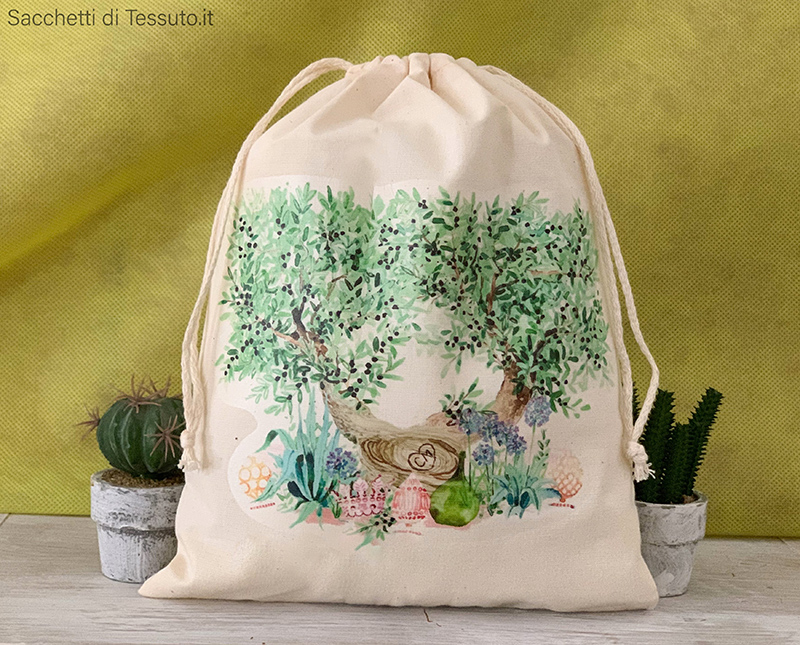
The result will be fabric decorated with a design, image, logo, or writing with a pastel effect and gradient colors.
2. Hot stamping with metallic foil
This second hot stamping technique is suitable when printing texts or logos using a single color. It uses foil, a special film that allows transferring the image onto any material and can be gold, silver, or other colors.
How does this technique work?
First, the desired text or logo is printed using screen printing; then, the foil sheet is applied with a heat press to fix the color. The result is a logo or text with a glossy or mirror-like finish.
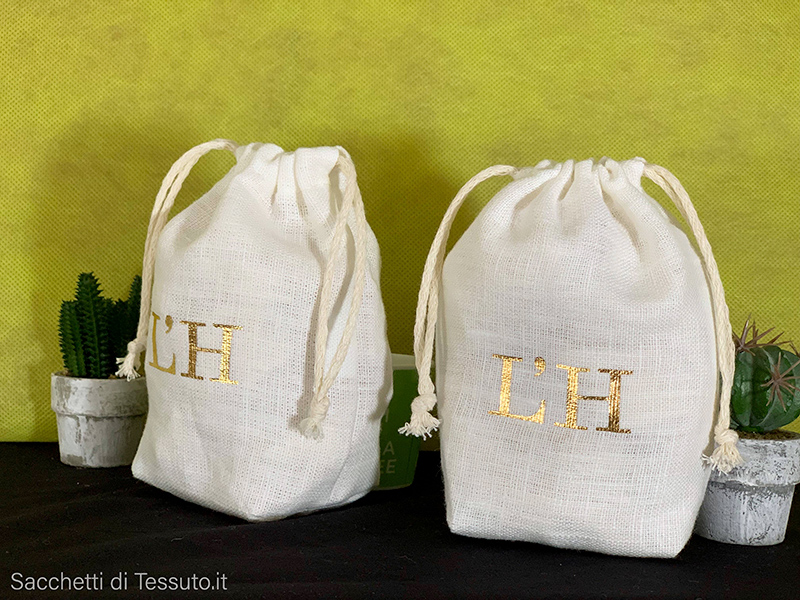
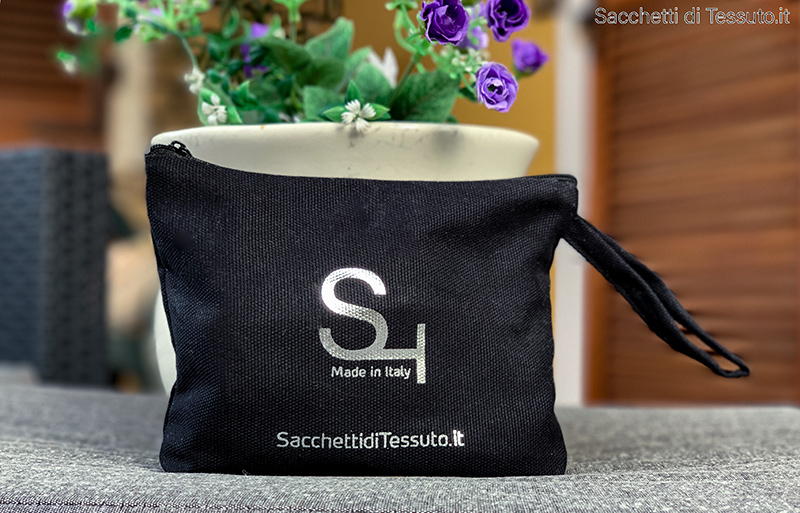
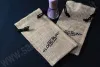
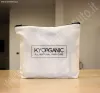
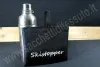
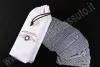
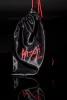
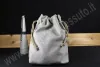
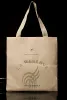
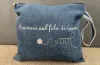
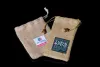
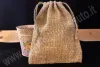
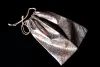
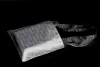
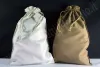
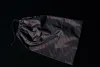
For our bags, we often use the hot stamping technique with metallic foil: the result is a bag with shiny and elegant lettering, such as this pure white linen bag with a laminated shiny gold logo or this black cotton canvas pouch customised with a shiny silver mirror-effect print.