























In questo articolo
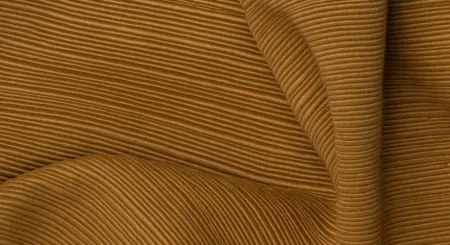
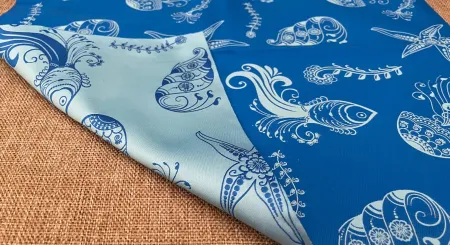
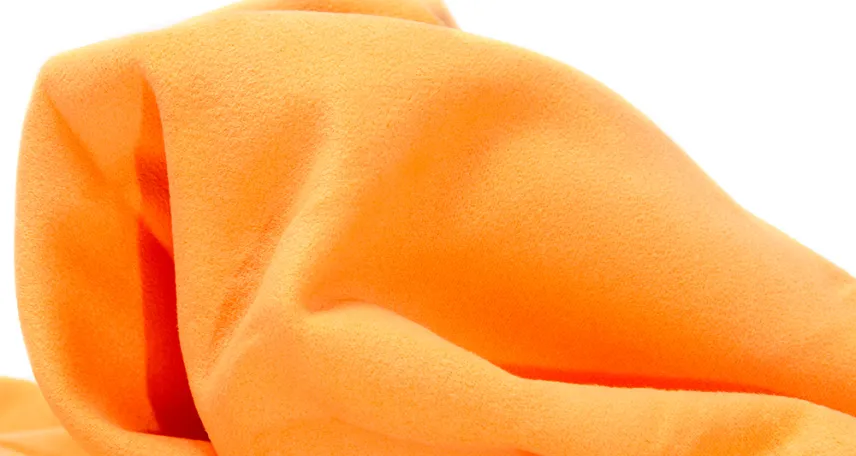
The fabric commonly referred to as "microfiber" is, in fact, the generic name for technical fibers made from particularly fine and lightweight yarns, a characteristic that makes microfiber fabrics especially soft, smooth, and versatile.
Developed starting in the 1980s, the microfiber production industry has significantly evolved today, and this microspinning technique has been applied to various sectors: from cleaning products to clothing. Microfiber fabrics are also found in lines of sportswear items, tablecloths, home textiles, and lingerie.
Let us explore the origin, characteristics, and applications of this widely used fabric.
The history of microfiber and its use
The term "microfiber" is defined by textile labeling law no. 194 of 1999, which specifies how and when this term can be used. In fact, microfiber refers to a technical fiber with a linear density equal to or less than 1 Dtex. The Dtex indicates how many meters of a given fiber are contained in one gram of weight, and 1 Dtex equals 10,000 meters. Therefore, in the case of microfibers, we consider fabrics made with very fine fibers, which make them softer than both natural fibers and other synthetic fibers.
The development of microfibers originated in the 1980s with the goal of creating a synthetic product capable of being soft and shiny like silk and cotton, but also able to easily absorb water. The first use of microfibers was precisely in the cleaning sector: the cloths produced this way were particularly effective at removing dirt.
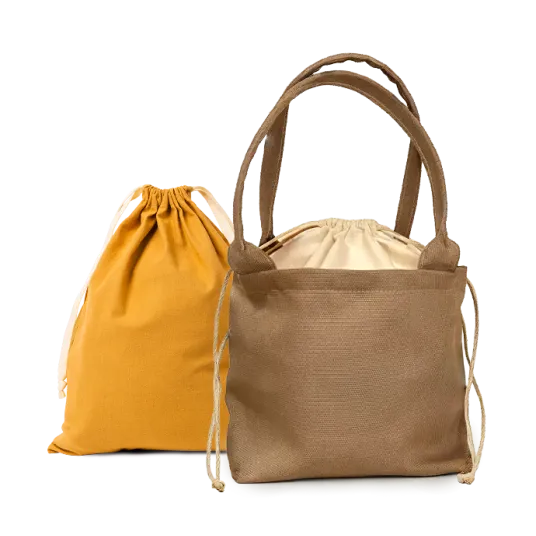
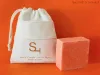
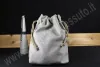
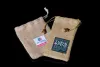
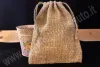
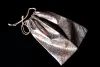
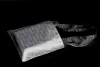
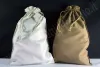
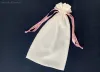
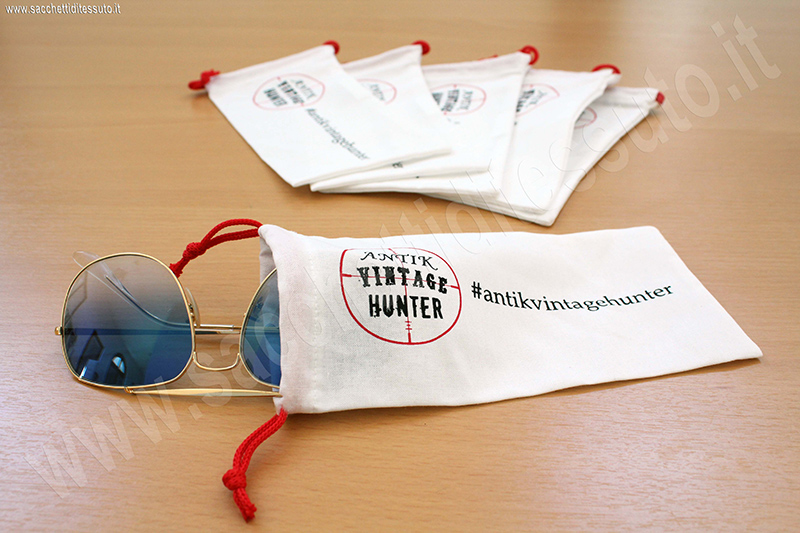
Subsequently, however, the characteristics of microfibers led to their application in other fields. The breathability and sweat absorption properties make them ideal for sportswear and leisurewear, but they are also used for underwear (socks, briefs, tank tops). They are also useful for making bags for glasses or to contain shoes.
Microfiber processing
The processing of microfibers is called microspinning and can be performed using four different types of fibers or by mixing them. By law, it is not allowed to label a fabric as 100% microfiber; the label must also specify the name of the polymer constituting it, such as polyester. A correct labeling, therefore, is 100% polyester microfiber.
Generally, there are five of the most common types of microfibers:
- microfiber made from acrylic fibers;
- microfiber made from nylon;
- microfiber made from polyester;
- hybrid fibers.
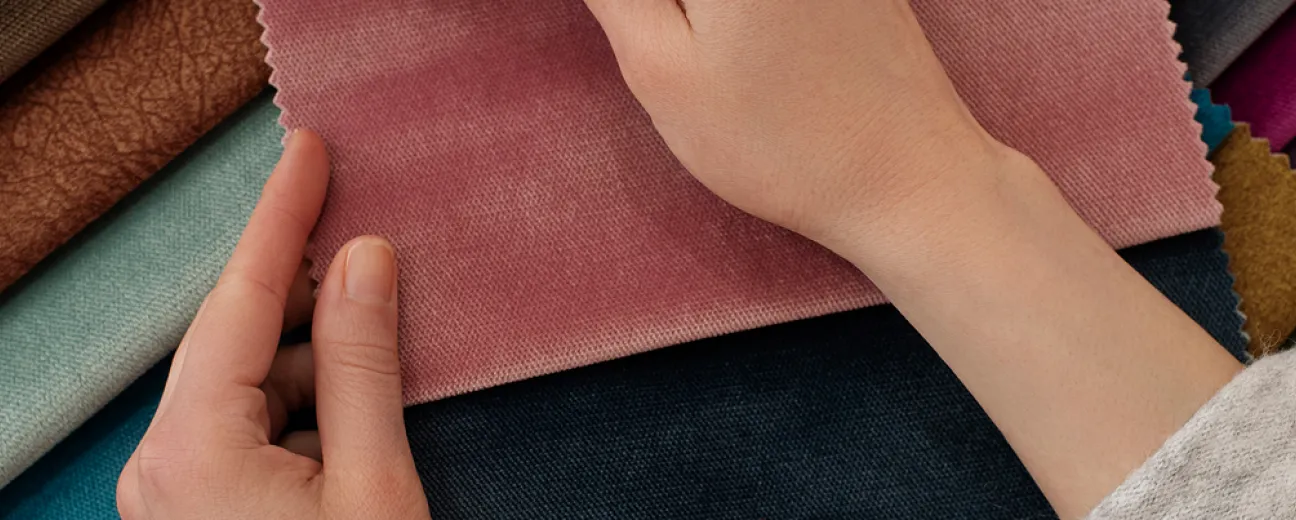
Moreover, during processing, the structure of the microfiber can be modified because spinning allows changing the shape and size of the hole through which the fiber exits. This produces a fiber that can be woven and knotted in many different ways, giving a matte or iridescent effect, rougher or very smooth depending on the final product.
Advantages of microfiber
The introduction of microfibers into the fabric industry was a genuine innovation. This is due to their ability to collect dirt, absorb moisture, and clean. This capability explains their success and the diverse applications they have in quite different fields.
Among the advantages of using microfiber products, we highlight their absorbency, crucial for cleaning, and reusability. Cloths made with these materials can be washed multiple times compared to a cotton cloth, maintaining their characteristics intact.
Washing the fabric
Washing is also very simple and — except when the manufacturer provides different instructions — can be done either by hand or in a washing machine without the need for specific products and without risk of damaging the product.
Curiosities
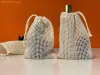
One of the latest trends in the use of microfiber cloths concerns beauty. In fact, the microfiber cloth can also be used for makeup removal. It delicately yet effectively removes makeup residues without irritating the skin.