










































In questo articolo
The maintenance of fabric bags requires careful washing and attention to the characteristics of each material. Some fibers are more durable, such as cotton, which can be easily machine washed, while others prefer hand washing, like hemp. In this article, we discuss how to wash satin fabric bags. These are often elegant and delicate products used as packaging for perfumes, jewelry, and other valuables. One might think that once stained, satin cannot be restored. However, with patience and care, it can be cleaned, further extending the life of our fabric bag.
Let’s find out how!
Fabric bag maintenance: how to wash satin
Not everyone knows that satin is a textile weave, a specific interlacing of warp and weft yarns that can be made from various types of fibers. For this reason, not all satin fabrics are the same: they can be made from cotton, silk, wool, or even synthetic fabrics.
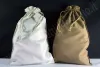
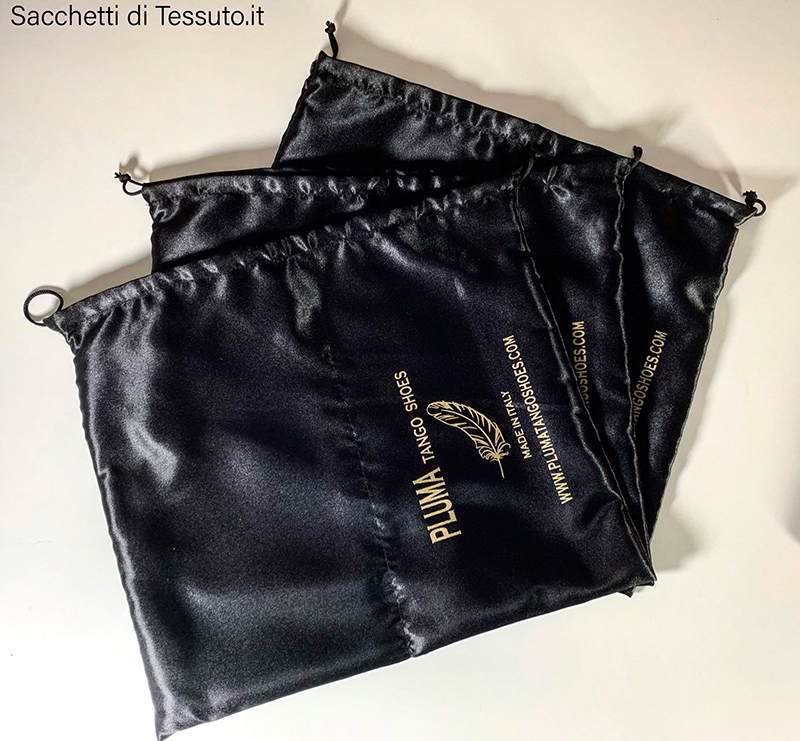
Today satin is mainly used in clothing, lingerie, wedding dresses, and tuxedos. It is a very precious and elegant fabric that immediately adds a chic touch to any garment. As fabric packaging, it is ideal for luxury products such as perfumes and jewelry, as well as for protecting delicate clothing items like shirts.
The most delicate fabric is certainly silk satin, soft and glossy. However, other natural alternatives, such as cotton satin, can be equally pleasant to the touch and visually attractive.
Fibers can easily fade or become dull, so paying attention to washing is essential. It is preferable to hand wash fabric bags, but in some cases, machine washing can be used. Let’s see when and how.
Hand washing satin
To fully preserve satin fabric, the advice is to wash it only by hand using natural, mild detergents. In this case, you can immerse the bag in a basin with cold water where the soap has been dissolved and soak it for at least 15 minutes.
If deeper cleaning is needed or specific areas require stain removal, that part can be gently rubbed and emulsified, then rinsed, always with cold water.
Rinsing is very important. To ensure all soap residue is removed, use plenty of cold water on the entire fabric without wringing it, but rather folding or gently pressing with your hands.
Machine washing satin
There are cases when, for convenience, satin fabric bags may be machine washed. This is not discouraged; on the contrary, it is important to know that certain precautions are necessary.
First, it is better to choose natural detergents suitable for delicate clothes, ensuring they are compatible with the fiber composing the satin. Silk, for example, requires specific detergents.
For the washing program, select a low-temperature wash with a slow spin cycle. This combination will thoroughly clean the fabric without causing damage.
Fabric bag maintenance: how to dry them
Because satin is a delicate fabric, it is important to continue paying attention during drying and subsequent ironing of the fabric bag you are washing.
You can air dry by carefully placing the fabric on a drying rack without creating creases or deformations that could damage it. If the colors are particularly bright, it is advisable to place a white cotton cloth on the drying rack and then put the satin fabric bag on top.
An alternative is to lay the satin bag on a towel, which will gently absorb moisture without harming the fabric.
Ironing satin fabric bags
If you want to complete the maintenance of your satin fabric bags, you can also iron them carefully, always remembering the delicacy of the fabric.
The recommendation is to place a white natural cotton cloth between the iron (set to a low temperature) and the fabric. This will protect the color, the fiber’s shine, and its integrity.
How to remove stains from satin
Many worry about stains, especially on delicate fabrics like satin. But there is no need to be discouraged; some solutions can help restore your fabric bag to its original beauty!
For wet stains like oil or mud, the advice is to absorb them with a damp cotton cloth and then dry the fabric in the sun for about an hour. Once the residue is dry or removed, you can use a soft-bristle brush to remove it.
If you are dealing with another type of stain, you can try sprinkling salt on the area, letting the fabric rest overnight, and rinsing gently the next day with fresh water and vinegar.
A classic remedy is the mixture of water, coarse salt, and baking soda, which grandmothers assert works wonders even against yellowing caused by time!
Mistakes to avoid when maintaining satin
The best strategy for preserving and washing satin fabric bags requires attention, care, mild detergents, and cold water. Here are some critical mistakes to avoid:
- wringing, folding, or creasing the satin during washing, to prevent the bag or satin product from losing its original shape;
- using hot water, which can reduce the fabric surface area by up to 20%, as well as affecting color and softness;
- exposing satin fabric bags to sunlight for too long, which stiffens the weave;
- drying the fabric for too long and placing it carelessly on the drying rack.
Satin is precious and delicate, with a shiny and chic appearance, making it suitable not only for clothing details but also for pillowcases (apparently, many hairdressers recommend it especially for people with curly hair!) and elegant product packaging.
At Sacchetti di Tessuto, we offer it to contain jewelry, perfumes, shirts, men’s and women’s footwear, and motorcycle helmets. Our satin products can be customised with screen printing or hot foil stamping to create unique items. To learn more, you can explore our catalog!