


























In questo articolo
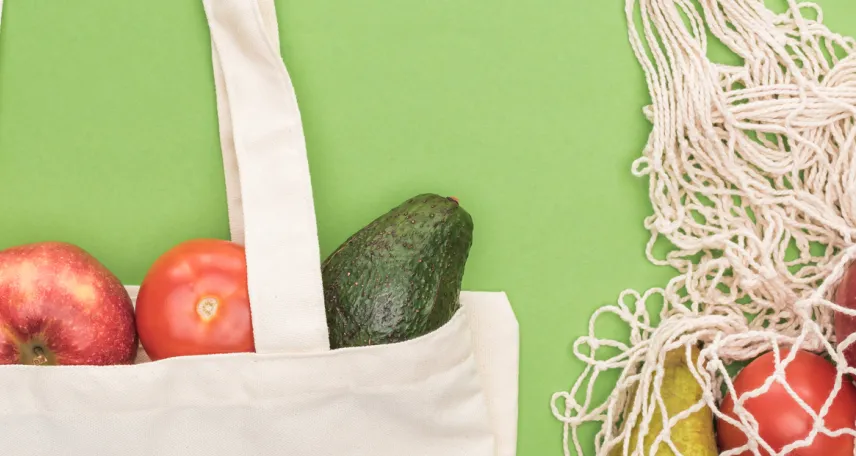
Durable, versatile, and ecological, raw cotton bags are highly valued by brands and consumers because they can be reused for a long time, in many alternative ways, replacing polyester bags.
Fabric packaging is increasingly in demand. Today, many textiles are available, but synthetic fiber bags have always been very popular – especially in the past – and are particularly appreciated for transporting goods and grocery shopping. However, even though they are durable and versatile, these bags are not ecological: their production and disposal are not eco-sustainable, not to mention the microplastics that polyester bags release into the environment.
But there is an alternative: bags made with natural and ecological fabrics!
Linen, hemp, cotton, jute...there are many natural fabrics today that can replace synthetics because they are more sustainable and often come with certifications that confirm they come from green cultivation, safe for health and the environment.
One of these fabrics is raw natural cotton: a green alternative to polyester bags.
The properties of raw cotton
Cotton has been cultivated, processed, and used for thousands of years. Its history spans eras and cultures. It is a versatile material that adapts to fashion and to the characteristics imposed by society. For example, consider the difference between Western men’s cotton shirts, 19th-century ladies’ gowns, and traditional Asian clothing!
Its uses are broad and extensive, touching many sectors. This is because it is a 100% natural, biodegradable, ecological, and recyclable fabric.
Raw cotton, mélange cotton, and canvas cotton: depending on processing, cotton appears in many forms.
Raw cotton differs from other types because no dyes are used on it, leaving the natural color of the cotton visible, yet it is strong and pleasant to the touch and to the eye, like standard cotton.
It is also a fabric that is:
- hypoallergenic,
- air-permeable,
- breathable.
Processing raw cotton
The normal cotton processing begins with the harvesting of fiber bolls from the fields. Raw cotton must be extracted before the cleaning phase, from tightly compressed bales, then passed through a series of machines that stretch and align it, blend it, and beat it, leaving the fiber with a more "raw" appearance.
Curiosity: calico fabric is made from raw cotton!
Raw cotton can be used to produce calico, typically a cream-colored plain-weave fabric in which the cotton threads are woven crosswise.
Although cotton is by far the better choice, it shares many characteristics with calico, which is:
- washable,
- durable and soft,
- breathable and hygroscopic (thus it retains water longer than other fabrics),
- characterized by bright colors even after many washes.
Why raw cotton is an ecological fabric to prefer over polyester
One of the main problems with synthetic fabrics like polyester is the release of microplastics into the environment. Although polyester is often produced partly from recycled plastic, as demonstrated by a 2019 Italian study (The contribution of washing processes of synthetic clothes to microplastic pollution, F. De Falco, E. Di Pace, M. Cocca, and M. Avella, published in Scientific Reports in April 2019), the machine washing of these synthetic fabrics is one of the main ways microplastics pollute the seas.
Therefore, even though made from recycled plastic, it is still dispersed into the environment because fibers are lost from the fabric during washing.
This is why many choose alternative fabrics that do not require chemical treatments or blending with other materials. Among these is raw natural cotton, which can be grown according to organic farming practices, also used for food products.
Raw cotton: how it is cultivated
Raw fabric cultivation tends to be free of pesticides, fertilizers, herbicides, and all those toxic substances harmful to the environment and human health, which are commonly used both in cultivating other fabrics and in subsequent production stages.
Pesticides, resins, heavy metals, solvents, and other chemicals used in the production and processing of some fabrics persist even after many washes and, over time, our skin can absorb part of these substances while the rest is released into washing machine wastewater.
Besides being environmentally sustainable, raw cotton cultivation can also be considered ethical, respecting field cultivation limits without resorting to deforestation to increase production.
In light of all this, consumers have become more aware of the risks of their purchases and strongly demand products and packaging that is safer and plastic-free, for both their health and the environment.
For this reason, using bags made of natural fabrics for your business may prove to be the best choice: durable, customisable, and safe, fabric packaging can increase the perceived value of your items!
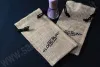
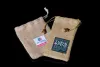
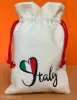
Customised with your logo, raw cotton bags can be used as packaging for your products or to hold samples and brochures at trade fairs, as they take up little space and can be reused for years by recipients. They are therefore a green choice that people will appreciate because they are always useful and practical!
Fields of application for raw cotton
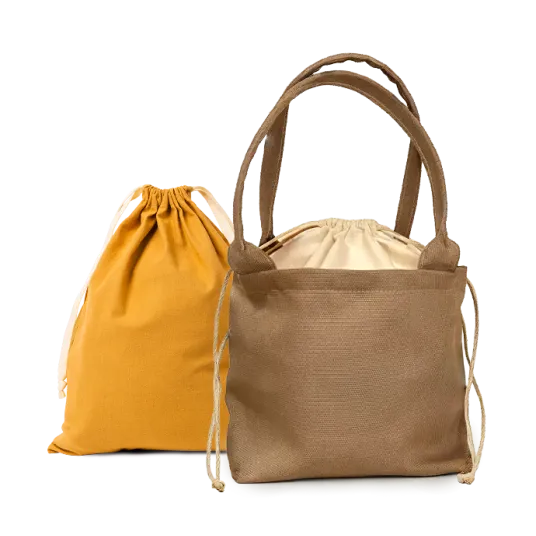
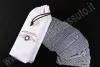
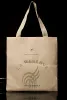
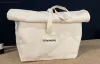
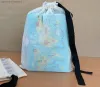
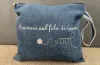
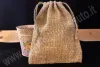
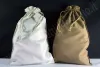
The production of fabric bags is now very advanced, and you can find raw cotton bags varying in shape and size, in closure and handle type, with strong and durable stitching, and aesthetically refined.
They can therefore adapt to any market: from bags for food use to cosmetic bags for makeup and fashion.
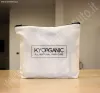
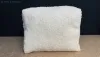
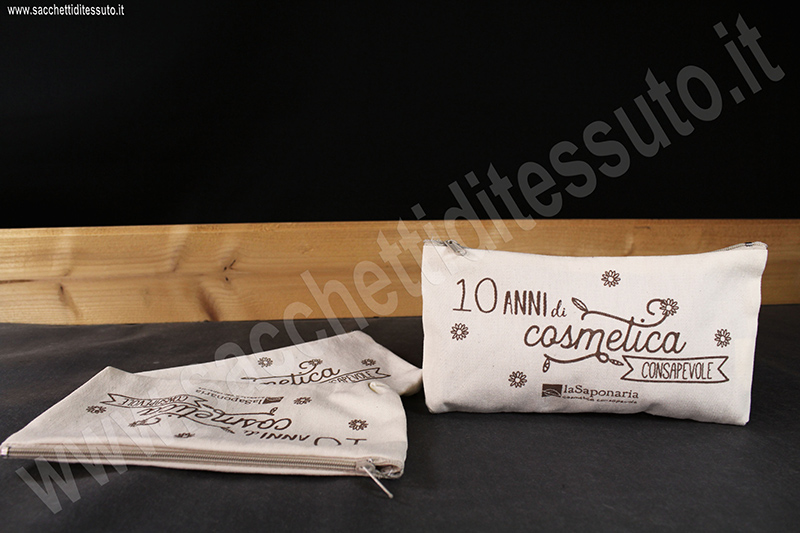
Raw cotton can, for example, be used to make a pouch for organic soaps, makeup, and other cosmetics: easy to carry in a bag, it can always be taken along and washed in the machine if a lipstick opens and stains the inside.
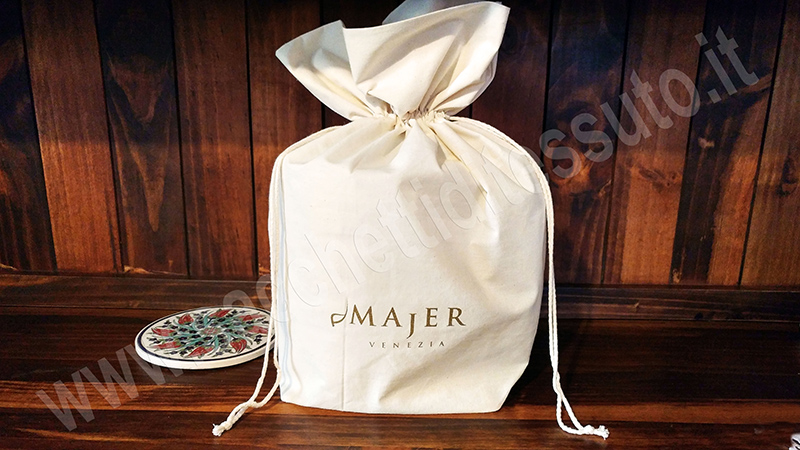
It can also be used in the food sector: both to contain packages of coffee, tea, and legumes and for artisanal panettones and pandoro cakes to gift during holidays.
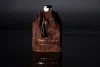
And it can be used for special and particular purposes: there are even natural cotton bags to hold precious books.
In short, there really is a wide choice!
Browse our catalog and choose the natural fabric bag that best suits your needs!