





































In questo articolo
Among the economic activities with the greatest impact on environmental sustainability, the textile industry ranks high; this responsibility is shared by the fashion industry. The sector's impact affects the ecosystem, but changes have occurred in recent years. From the use of natural fabrics to new production methods with greater environmental attention, from choosing sustainable packaging to using renewable energy sources, the sector is striving to reduce its environmental impact.
This commitment is also evident during industry events.
Trade fairs increasingly emphasize sustainability topics, and now that trade events are restarting, those wishing to exhibit new green creations can do so by choosing sustainable packaging.
The most important fashion sector trade fairs in 2022
After many postponements and cancellations, fashion sector trade fairs have returned, full of innovations and new proposals.
In July, for example, Denim Première Vision was held in Milan, an unmissable event for denim and men’s and women’s fashion enthusiasts. Then in September, there were also LineaPelle 2021 (from September 22 to 24), an international exhibition of leather, accessories, components, synthetic fabrics, and Milano Fashion Week (from September 22 to 28), which broadcast the runway shows online to allow greater participation despite existing restrictions.
The upcoming important fashion fairs will be:
- Fashion Exposed: a biannual trade fair based in Australia presenting the latest fashion novelties for women, men, and children, lingerie, bridal fashion, swimwear, accessories, jewelry, sports, and leisure. The March 2022 appointment will be held in Sydney, showcasing the Spring/Summer collection, while the Autumn/Winter collection will be presented in September in Melbourne.
- Milano Unica: a biannual event with the first 2022 session on February 1-3 in Milan. The fair hosts major, significant Italian and European producers and is targeted at fashion professionals focused on high quality and innovation.
- Moda UK: the well-known fashion trade fair will take place in Birmingham from September 4 to 7, 2022. The program is full of appointments including runway shows featuring the latest trends and seminars for trade guests.
Thinking of participating?
Here’s why you should, by choosing sustainable packaging.
Exhibiting at fairs with sustainable packaging dedicated to the fashion sector: here’s why!
Sustainable packaging refers to packaging designed to have a low environmental impact: boxes, garment covers, fabric shopping bags, tissue papers, and ribbons made using natural materials and low-environmental-impact production processes.
The range of sustainable materials available on the market is now wide:
- plastic can be replaced by opting for recycled plastics and bioplastics,
- instead of synthetic fabrics, one can opt for natural, organic fabrics with certifications such as OEKO-TEX®, GOTS (Global Organic Textile Standard), ICEA (Institute for Environmental Certification),
- classic paper, cardboard, and wood packaging can be made following criteria that meet specific standards such as FSC or PEFC that certify materials come from responsibly grown and harvested natural resources.
More than a trend: a spreading commitment also to reduce packaging waste
Packaging for fashion is increasingly important for companies, both due to the growth of online shopping and because packaging is an excellent communication tool that makes a company recognizable.
However, data from Eurostat (2017) indicates that in Italy alone, packaging generates 217 kg of waste per capita annually. Consumers are now aware of this issue and demand more sustainable products and packaging.
Considering all these factors, many companies have taken steps to make their operations greener and packaging more sustainable.
The fashion industry’s initiatives to safeguard the planet have notably materialized through the Fashion Pact: a coalition of leading textile and apparel companies aiming to change the environmental impact of the fashion sector.
Many companies have joined the project—from small to multinational—including Adidas, Gruppo Armani, Burberry, Calzedonia Group, and many more well-known and lesser-known brands.
The project’s goals are to:
- counter global warming,
- restore biodiversity,
- protect the oceans,
- reduce single-use plastics.
How to choose sustainable packaging for trade fair participation
The sector’s future objectives? More sustainable production and materials involving products, processes, and packaging.
But how do you select the perfect sustainable packaging for your fashion products? This is a delicate step:
- It is important to aim to minimize the weight and volume of the packaging, avoiding containers that are excessively large relative to the content.
- Choosing the material can be challenging: not all sustainable materials are available at competitive prices, and they have diverse characteristics that might suit your brand or product more or less. For example, for a luxury clothing brand, packaging in velvet might be more appropriate than jute.
- The choice between recycled and recyclable materials is also important: a recyclable material can potentially be recycled and last long, whereas a recycled material—made from waste—may have a shorter lifecycle.
Among materials that can be used for a long time and then recycled stands out the fabric packaging, which is increasingly used across sectors and highly appreciated even by many fashion brands.
Sustainable fabric packaging for your products
The fabrics used for sustainable packaging are organic and sourced from non-intensive, natural cultivations. They are strong materials but soft to the touch.
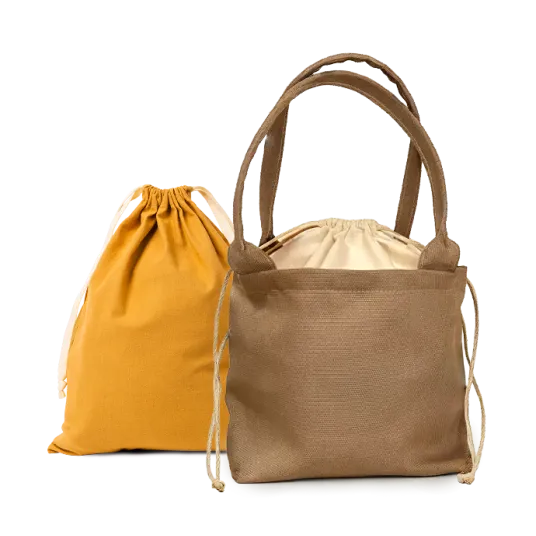
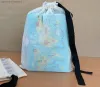
Fabric bags, for example, can be customized in every detail: design, dimensions, colors, and accessories. The peculiarity of fabric packaging also lies in its reusability over a long period (shopper bags and pouches, for instance, can become tote bags or wallets your clients will carry for a long time).
Are you looking for impactful packaging for your trade fair participation?
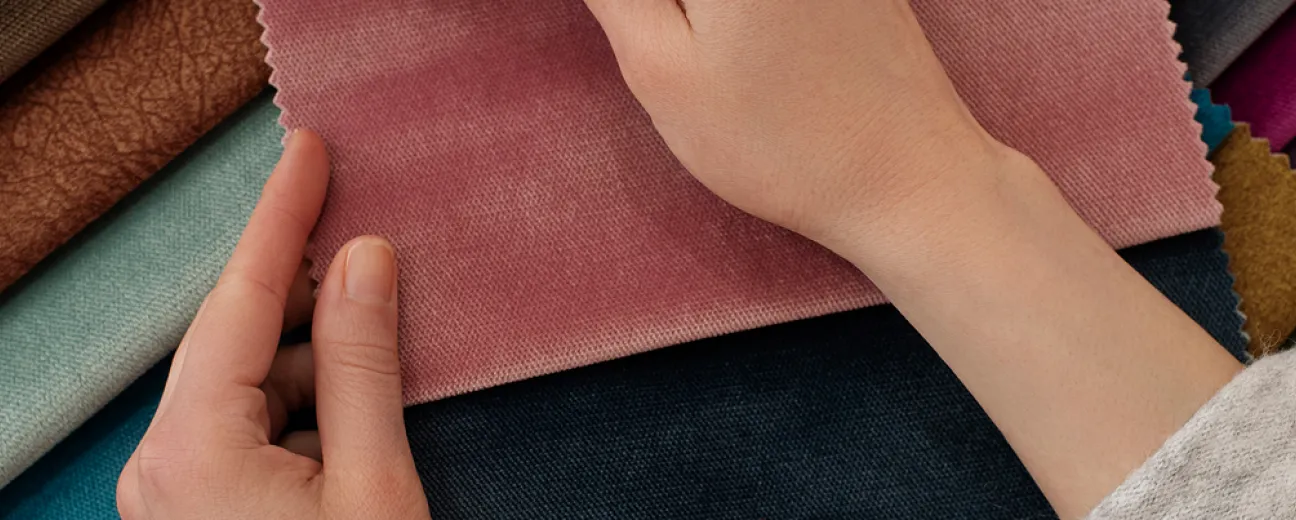
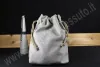
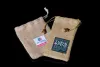
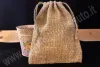
If you create clothing or high-fashion bags, you might choose precious fabrics such as velvet or satin. Making accessories? Hemp is an excellent choice in this case. If the item has a more casual or classic style, cotton might be suitable.
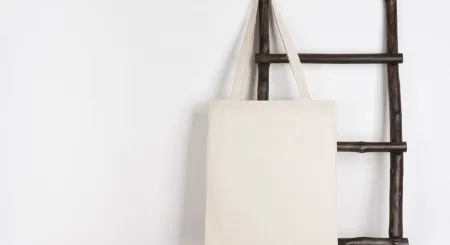
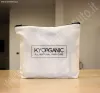
For example, you could use a white cotton bag with satin drawstrings as we made for a cosmetics brand particularly attentive to sustainability: the delicate colors combined with quality organic fabric are sure to attract attention at the trade fair.
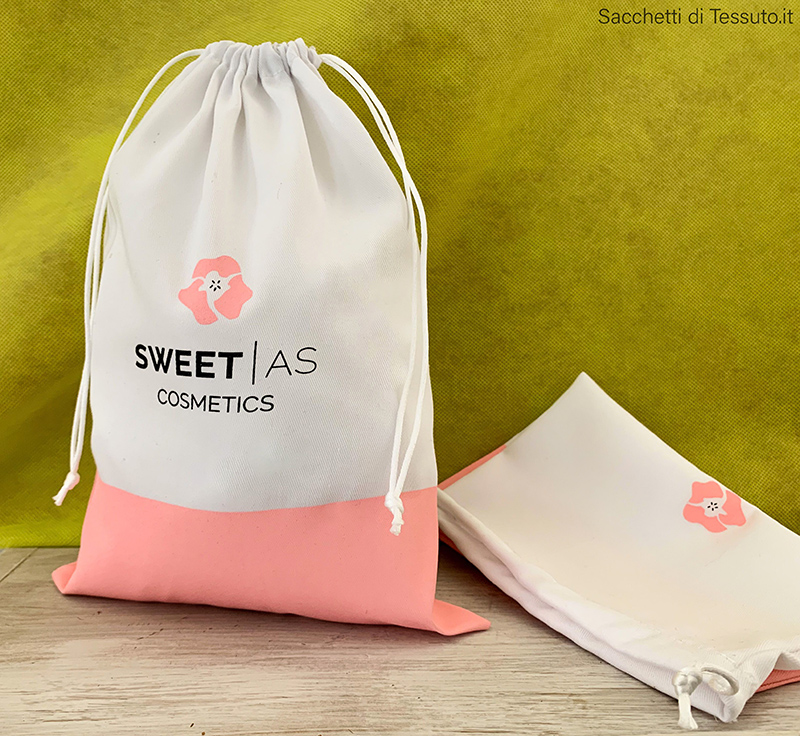
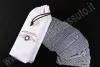
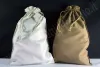
Do you sell luxury accessories? The most suitable is the white satin bag, shiny and elegant.
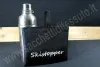
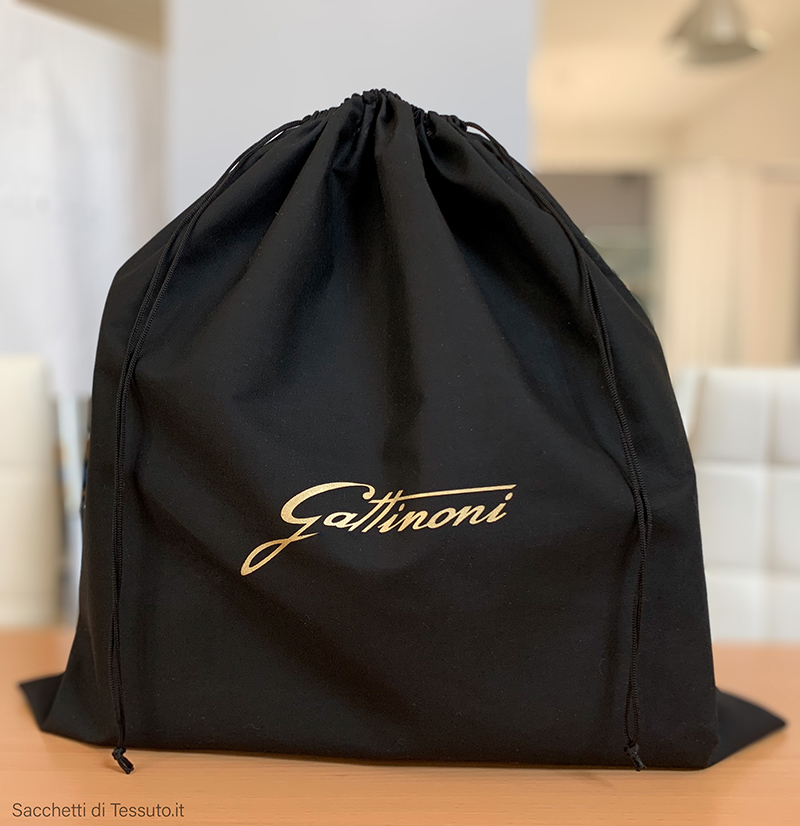
For leather bags and accessories, there is the 100% black cotton bag with drawstring closure: practical and with simple design, made even more elegant by the contrast of gold graphic customization.
Choose to use fabric packaging that is sustainable and 100% Made in Italy.
Take a look at our catalog!