









In questo articolo
Free Sample Bags for Makeup and Cosmetic Samples: A Strategy to Increase Sales
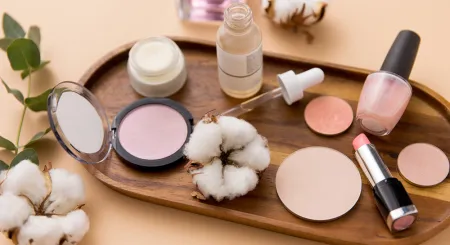
Free makeup and cosmetic samples are an effective strategy to boost sales. This technique, also known as free samples marketing, is commonly used in stores specializing in body care and beauty products. Today, the more modern approach offers free samples (of perfumes, makeup, creams, etc.) to customers both in-store and online.
Let’s look in detail at how free samples marketing works and how it applies to the organic cosmetics sector.
Sample Bags for Freebies: Everything You Need to Know About Free Samples Marketing
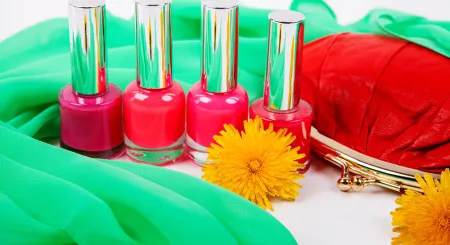
Used across various industries, the free samples technique involves encouraging sales by distributing free samples of a product (such as face creams, hand creams, or foundation). It is a method especially appreciated and employed by perfumeries, pharmacies, herbal shops, and eco-organic cosmetics companies to promote their products.
Distribution of free makeup and cosmetic samples can take place both in-store and online. Furthermore, the updated approach allows people to voluntarily test cosmetics for free in exchange for brief reviews.
The process is very simple: you register on websites offering “tester campaigns” and apply. Whenever a product trial is available, you receive the sample at home free of charge to test it, write your opinion on the website, or complete a questionnaire. Some brands prefer video reviews, which explains why the internet is now full of popular unboxing videos where people receive a package of cosmetics (or items from other sectors), record the moment they open the box, and test the newly arrived products.
Marketing this way is simple, but requires some organization: first because giveaways have a cost for producers and distributors, and second because you cannot give away products without receiving something in return!
What Are Free Makeup and Cosmetic Samples Really For?
Giving away free product samples helps to engage store visitors who are not yet convinced to buy. To them, it is a gift. It creates an emotional connection between you and the customer, often cautious and hesitant when faced with an unfamiliar product. Likewise, this method helps build customer loyalty by encouraging repeat visits from existing buyers.
Free samples are thus among the most frequently used marketing strategies in the cosmetics sector, as it is easy for sellers to find people interested in new solutions but unable to purchase immediately for various reasons.
They are useful, for example, for products difficult to test in-store because they require privacy and longer application times, such as moisturizing creams or shampoo. Additionally, cosmetics are not all composed the same, and some people may fear allergic reactions. In these cases, samples are very helpful for enabling controlled testing.
Those who frequently change their beauty routine with natural products need to test several options before deciding which product is best for them, and here samples can help choose without spending much and also reduce waste (in case the full product purchased is unsuitable and must be discarded).
Differences Between Testers and Samples
Samples – now also known by the English term samples – are small vials or sachets, usually single-dose. They contain a minimal amount of product, enough to allow customers to take them home and try them to determine if it’s worth purchasing the full-size version. They are particularly useful when store visitors are unfamiliar with a product, lack trust, or are undecided, as it allows them to try it without any obligation.
Testers, instead, are products made available to customers directly at the point of sale, or sent home (in which case pay attention to the packaging you choose for your e-commerce!), allowing immediate, on-site trial. Customers can instantly verify the quality of perfumes, pencils, lipsticks, and buy them immediately if they match their preferences. This also supports customers in choosing the most suitable products, offering them a more complete, qualitative, and positive experience within your organic perfumery.
Sample Bags for Freebies: Which Materials to Choose?
As mentioned, freebies of makeup, creams, perfumes, and hair balms are an excellent way to connect with potential customers, undecided buyers, skeptics, or curious shoppers who need a nudge to decide to buy.
But which bags should you choose for free samples? People are increasingly environmentally conscious and want more sustainable packaging. It is crucial to adopt a strategy that minimises environmental impact as much as possible, conscientiously gifting customers free samples paired with sustainable packaging. Which ones? Our recommendation is to use bags made of natural fabrics. Let’s see which materials to select.
Cotton
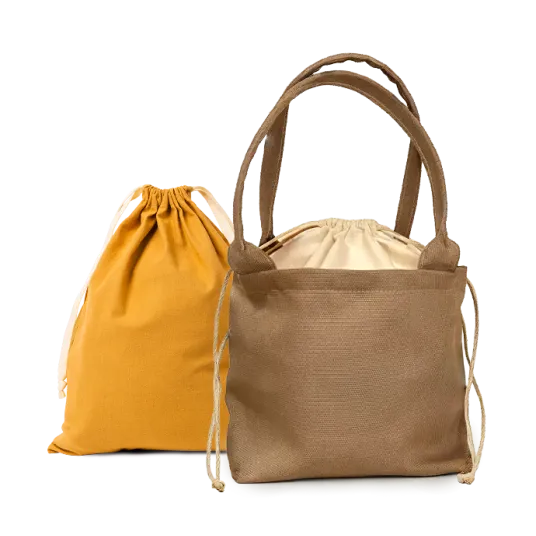
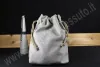
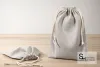
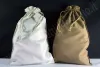
Versatile, durable, washable, cotton is well suited for making sample bags for cosmetic freebies (explained in one of our recent case histories). Available in various weights and types, including raw, colored, and canvas.
Linen
Linen is sustainable, lightweight, and hypoallergenic. The latter quality makes it an excellent choice for distributing body care freebies without extra packaging and for reusing the bag for other creative purposes.
Hemp
Natural, 100% biodegradable, ecological, and recyclable, hemp is a fresh, breathable, and durable fabric. It has a raw appearance, suited for distributing samples of green brand products.
Jute
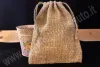
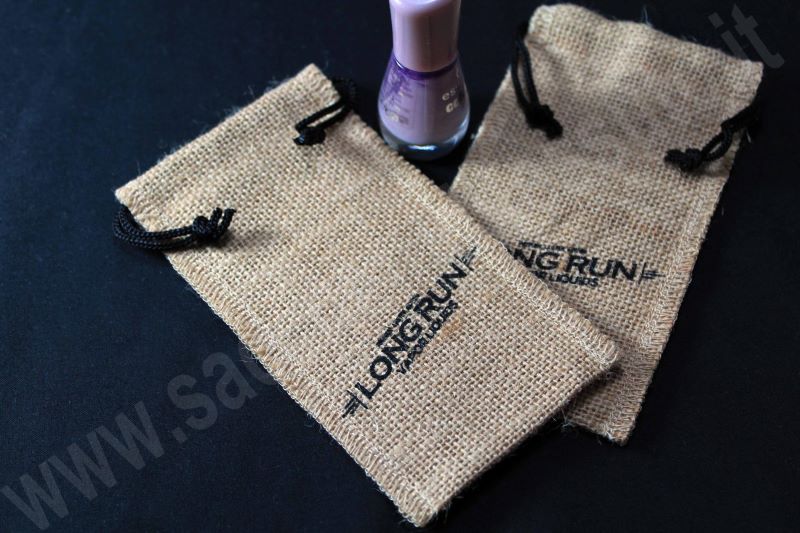
With a coarser look, jute is perfect for making compact, sturdy, and lightweight packaging. Ideal for creating free product packaging for natural cosmetics associated with a natural image.
Velvet
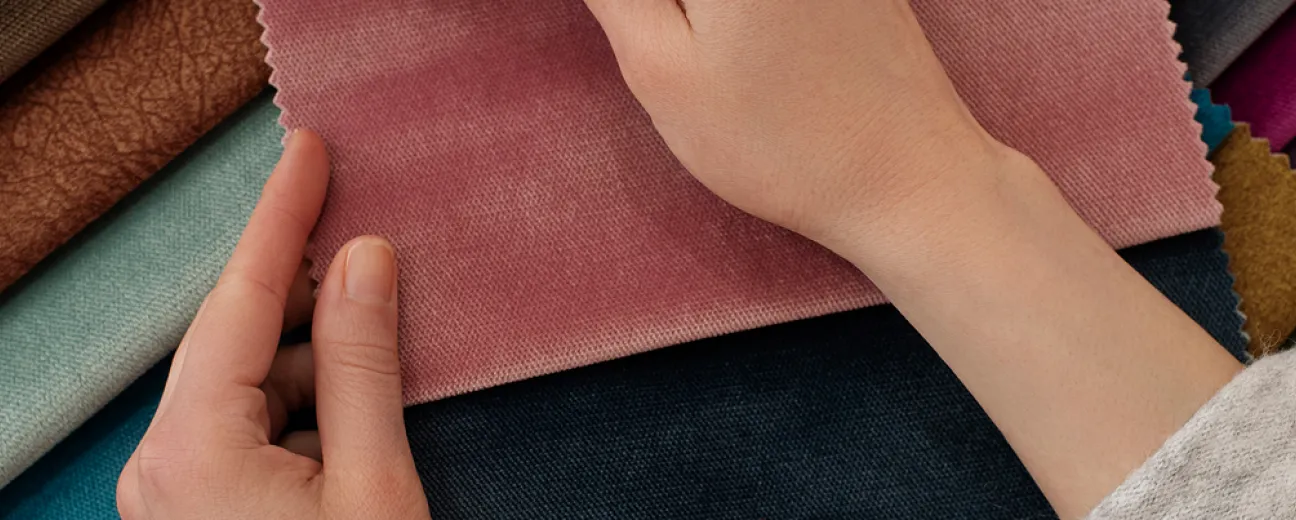
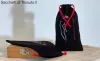
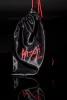
A fabric with a soft texture, velvet is suitable for sellers of branded products seeking a luxury packaging that conveys brand values and symbolically increases the perceived value of the freebie.
Fabric Packaging for Your Free Samples: What Types?
Using organic fabric packaging made from natural fibres to contain free makeup and cosmetic samples is a good method to enhance the gift’s value and the strategy’s effectiveness.
As we have seen, natural fabric bags—such as hemp, linen, cotton, jute—are appreciated by customers with a more ecological mindset, and at the same time can help create packaging that attracts attention in various contexts.
But how to choose? Evaluate the appropriate fabric based on the values the brand communicates and the type of product you sell (green, luxury, low-cost, etc.), as well as the size of the free sample and the quantity of samples you plan to give.
This way, you can consider offering your customers (and potential customers) fabric packaging such as:
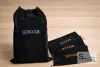
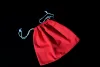
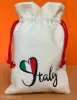
- bags with cords or drawstring closures
- pouches
- buckets
- makeup cases
- covers
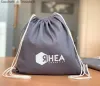
- drawstring bags
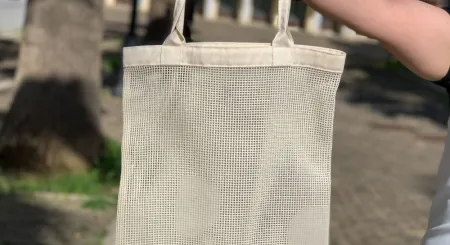
- backpacks, shoppers, and personalised mesh bags (if the goal is to use them as a communication tool to promote your business)
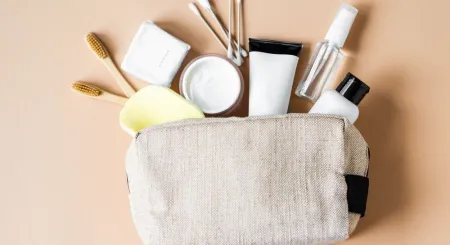
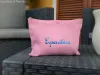
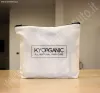
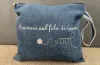
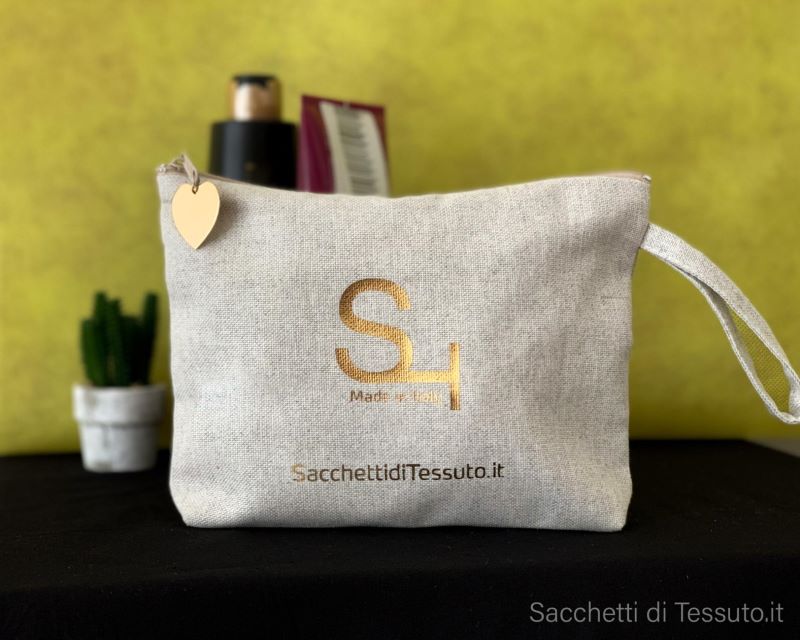
For example, you can use a cotton makeup pouch to hold various samples during the launch of a new product line or to promote items already available in-store.
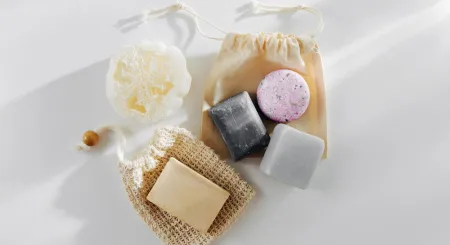
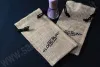
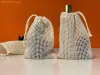
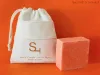
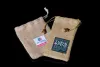
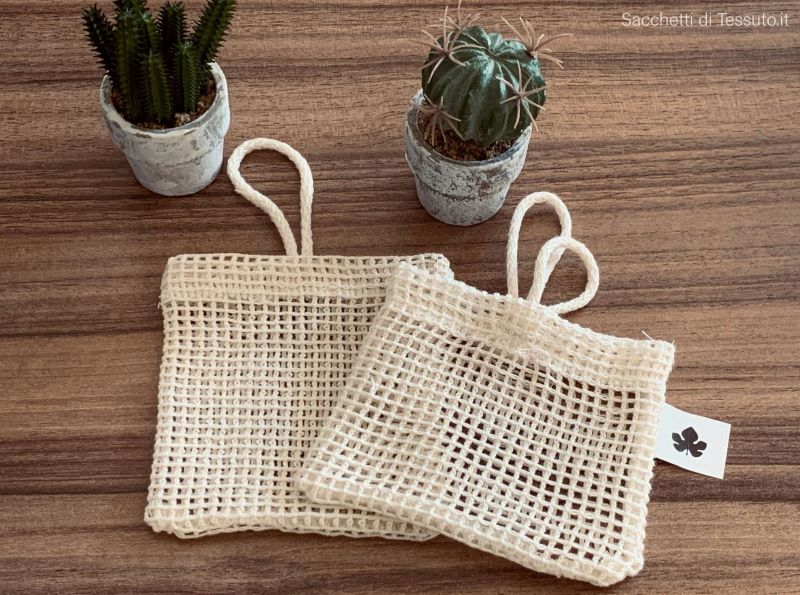
You can place small freebies of organic soaps and makeup in this Oeko-Tex certified cotton mesh bag to draw attention to products in your boutique or those that usually risk being overlooked on shelves. Alternatively, you can create a small welcome (and thank you) kit with the personalised jute bag to include in orders placed for the first time on your online e-commerce.
Finally, if you attend industry trade fairs, you can also display these packages at your booth: their design and shape will immediately attract passersby.
Free Samples: Should You Give Them Before or After Purchase?
It is important to understand the right moment to distribute freebies. Is it better to give them before or after purchase? It depends.
Samples given as gifts before the purchase are meant to attract and convince: recipients can discover a product they may like or receive the decisive proof that the item they were unsure about is indeed suitable for them.