


























In questo articolo
The kitchen is one of the areas where we are most accustomed to using plastic. It is the material in which many foods are packaged, as well as the secondary packaging that wraps individual products, and very often it is also the material in which we store food to keep it in the refrigerator or freezer. However, there are many plastic-free alternatives that ensure the same results in terms of preserving the characteristics of food, but in a sustainable and green way.
Glass, custom fabric bags, films made from organic and compostable materials: there are many alternatives to preserve food without plastic; let’s explore six of them!
Preserving food without plastic: why it is important
Plastic consumption has increased exponentially since the 1960s with very worrying consequences for the ecosystem. In 1964, 15 million tonnes were consumed, while by 2014 they exceeded 331 million; figures that are even more significant considering that only a small percentage of this material is recycled, about 14%, with the remainder incinerated, buried, or dispersed in nature.
Several estimates suggest that by 2050 in the sea, for example, there will be more plastic materials than fish, with drastic consequences for the marine ecosystem and lesser-known impacts on human health. Therefore, reducing the use of plastics in daily life is essential to preserve the planet, minimize waste, and make greener, more sustainable and recyclable choices.
Fortunately, at least in the kitchen, alternatives abound! Let’s discover them together, remembering always to check with the manufacturer that the container is suitable for the intended use.
1. Glass containers
The simplest and most accessible alternative to plastic is to use glass jars and containers. They are suitable for both wet and dry foods, can be sealed to protect the freshness of what we want to store, and can be washed and reused for a very long time.
If you want to use them for tomato sauce or jams, it is advisable to sterilize the jars, while it is better to avoid using them for foods you intend to freeze. Liquids freezing into solid form can expand and break the jar inside the freezer.
2. Metal containers
The most useful metals for food storage are aluminium and steel, already widely used in the production of kitchen accessories and appliances. This is because they are solid and durable, and can be sealed with a beeswax wrap, as we will see shortly, or with specially designed lids. It is important to remember that metal containers cannot be used in microwaves.
Both metals can be reused after thorough washing and have a long lifespan until worn out, at which point it is important to dispose of them properly to facilitate the recycling process.
3. Paper and cardboard
Another perfect material for storing certain types of food is cardboard or paper. Easily recyclable, it is suitable for storing dry foods such as cereals, granola, dry biscuits, but not only. Fruit that does not require refrigeration can be kept in bowls and containers made of paper or cardboard since they are consumed quickly and exposure to air does not damage their characteristics.
Unlike glass or steel, paper and cardboard have a shorter usage cycle because they deteriorate more easily. On the other hand, paper recycling and reuse is a virtuous circle: in Italy, in 2019, over 3.5 million tonnes of paper were recycled, about 81% of what is discarded. Therefore, it is important to dispose of the used material in the correct bin.
4. Fabric bags
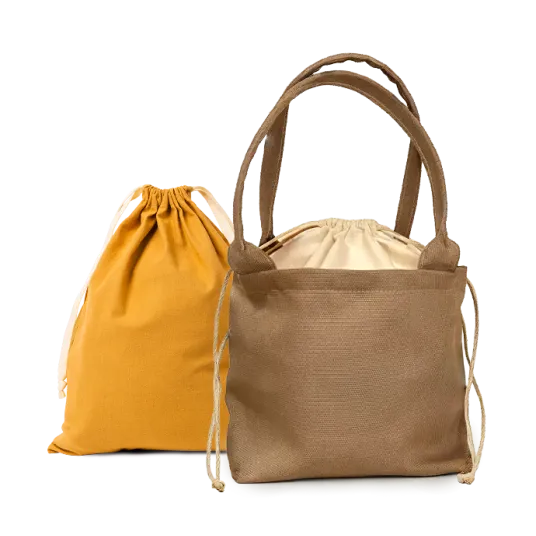
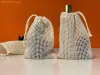
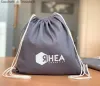
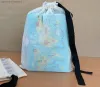
Cotton is a durable and breathable fibre, qualities that make it perfect also for food storage. A cloth can be used to store leafy green vegetables such as lettuce, spinach, and others that need to be consumed quickly. Cotton allows breathability and longer preservation in the refrigerator.
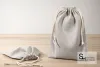
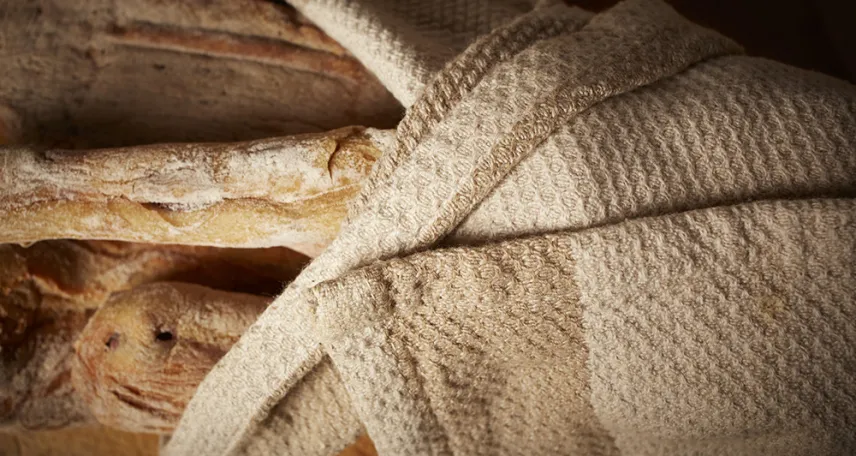
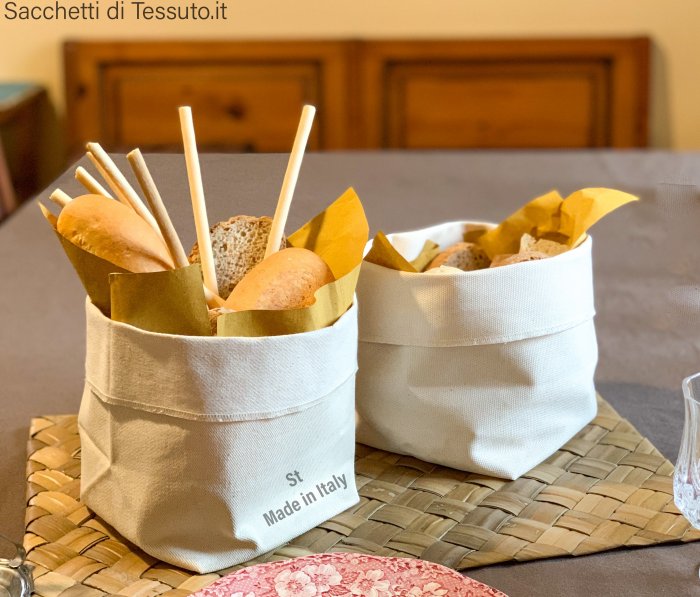
A cotton bag is also a practical and ecological solution to protect bread. The ideal is to place a freshly purchased loaf inside and ensure the bag is closed: in this way, the bread will remain fresh and fragrant even the next day.
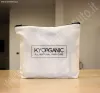
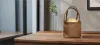
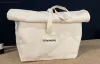
Moreover, the bread bag can also be used to serve bread at the table, combining sustainability, natural and ecological materials with a touch of design. Here is an example:
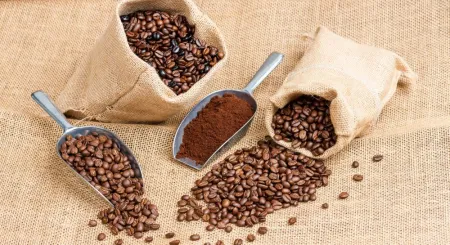
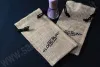
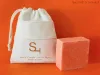
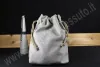
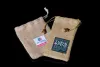
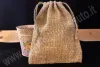
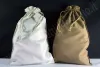
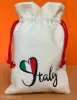
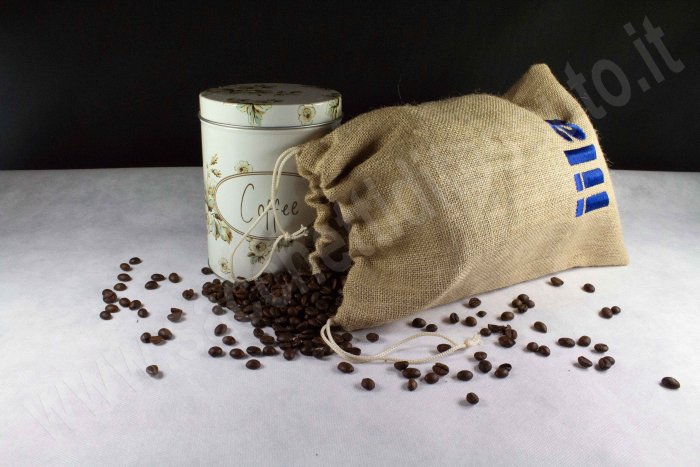
Alternatively, it is possible to opt for jute bags, another well-known material for its durability. Since it has a loose weave, this fibre allows air to pass and is recommended for storing foods that do not require total isolation. An example is coffee, as shown in this photograph, kept in an embroidered jute bag with a drawstring closure.
5. Ceramics and terracotta
Ceramics and terracotta have historically been used in kitchens to make pots and pans that enable even cooking of dishes requiring long cooking times. This is because they retain constant heat and distribute it evenly. Bowls made from these materials can also be used to store food, especially biscuits, cereals, but also vegetables and fruit both in and out of the refrigerator. It is important, as with glass, to avoid the freezer which could damage the material!
6. Beeswax wraps
We conclude our journey exploring green ideas to preserve food without using plastic with one of the most innovative materials: beeswax wraps. These are thin, flexible sheets made from a fabric, usually cotton, coated with a beeswax compound.
The beeswax is not used pure but combined with other ingredients such as resins or oils. The goal is to create an ecological and reusable wrap that clings fully to food and ensures preservation much like aluminium or plastic films. Beeswax wraps can be used to cover and store leftover dishes, preserve various types of cheese, bread and other baked goods, and can be easily washed with cold water. Each product has a maximum number of uses and can often be disposed of with organic waste, without producing excess pollution in the environment.