





























In questo articolo
Sustainability has become an important topic in modern society and now permeates every sector. Companies are beginning to change their way of being, working, and producing.
The fashion industry cannot ignore the growing consumer demand for more ecological, safer products and fabrics for their health and with a low environmental impact.
This is precisely what emerges from the 2020 Conscious Fashion Report (2020 conscious fashion report) published by Lyst, the largest fashion research platform, in collaboration with Good on You, an organization that helps people assess the impact of what they buy on the environment, animals, and people.
The 2020 Conscious Fashion Report revealed which are the most searched products online, highlighting increasing consumer awareness of environmental issues. The searches—which include keywords such as eco-friendly, natural, vegan—although they do not always convert into sales, show a strong growing interest in green products.
Consumers are changing the way they think and buy, and gradually brands are modifying their business approach accordingly.
Let us now examine the details of the 2020 Conscious Fashion Report and identify the ecological fabrics brands can focus on to produce certified and sustainable items.
2020 Conscious Fashion Report: an overview of key insights
Based on all the data gathered, the researchers observed a 37% increase in searches for sustainability-related keywords since the beginning of 2020.
The study analyzed:
- Lyst platform data,
- keyword volume,
- materials and products entered by users in searches,
- pages visited,
- conversion rates,
- sales made through Google,
- and global media coverage along with social media mentions.
The keywords "eco t-shirt" and "sustainable sportswear" have now reached an average of over one thousand monthly searches. Also increasing are terms like "sustainable down jacket," "vegan leather jacket," and "ecological swimwear", with growth of 65%, especially in Australia, the USA, and the UK. "Vegan leather" exceeds 33,000 monthly searches, while fashion items focusing on creative reuse, second-hand clothes, and garments from the slow fashion industry are gaining more attention.
The countries most active in searching for sustainable products are Denmark (+114%) and Australia (+110%), where searches focused on "denim," "swimwear," "sustainable sportswear," and "ethical fashion."
Germany, Spain, and France stand out for demand related to "vegan garments," "cruelty-free," and products made with recycled materials.
In Italy, there is only a 20% increase in searches from 2019 for the keyword "ecological fur," but there is also a 64% rise in searches for "recycled fashion."
The impact of fashion on the environment
About 80 billion new garments are produced annually, and in Europe only a quarter of the 5.8 million tons of textile waste is recycled.
Since the 1990s, the clothing industry’s use of non-renewable materials such as nylon, polyester, and acrylic has surpassed that of natural fibers like cotton and linen. Due to their composition, synthetic fabrics have a very low biodegradability rate and impact the environment because they come from resources increasingly scarce in nature. Their production process requires exorbitant energy consumption, high CO2 emissions, and carries a high risk of releasing hazardous chemicals during manufacturing.
However, much can be done to curb this trend. According to a study by the European Commission, product design accounts for 80% of environmental impact. It is therefore crucial to choose ecological fibers and fabrics from the outset and reduce the impact of the entire production cycle of a garment.
Which ecological and natural fabrics are suitable for fashion?
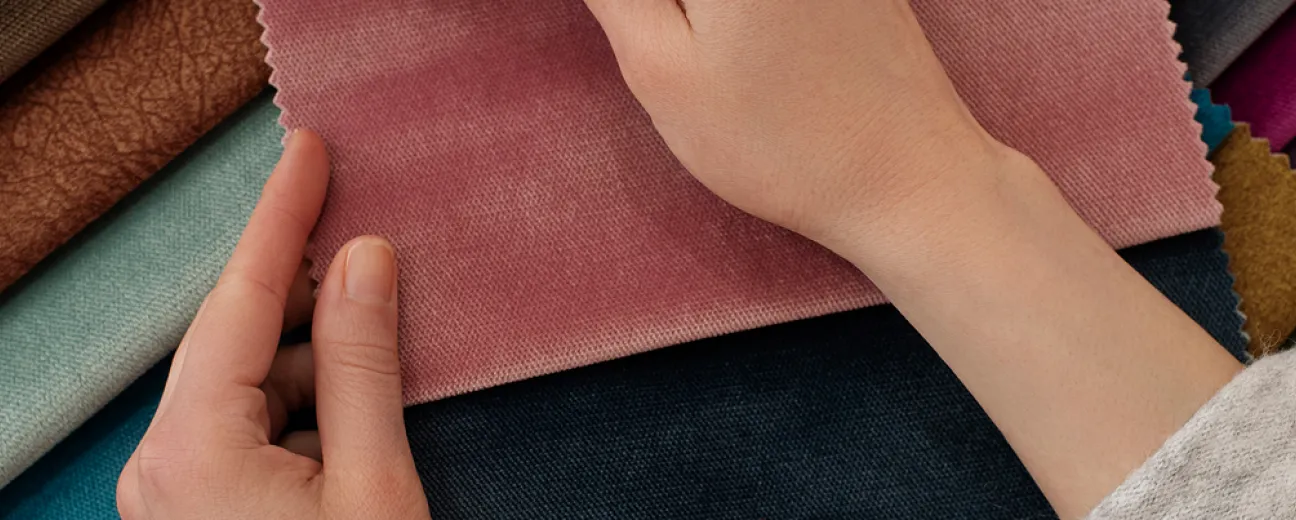
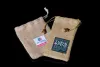
Fabrics such as cotton, hemp, jute, linen, as well as kapok (a natural fiber obtained from the Ciba tree of South America), ramie (an Eastern plant fiber, white, fine, and shiny), coconut, pineapple, and broom are considered ecological because they are natural, renewable resources, and it is precisely these that the fashion industry aims to focus on to reduce its environmental impact.
There are also fabrics that can be reused as they are or recycled—such as recycled wool from old garments or textile waste—and recycled cotton.
However, the origin of these fabrics is not always synonymous with sustainability because what truly makes a fabric ecological is the entire production process to which the fiber is subjected.
In fact, despite their natural origin, there are limits to farmland cultivation and livestock availability. This scarcity has often led to intensive farming, animal cruelty, deforestation, and cultivation methods involving the use of pollutants harmful to air, water, soil, and the fiber itself.
This is why in recent years some certifications such as OEKO-TEX®, GOTS, and NewMerino have emerged to monitor the entire production process to guarantee ethical and environmental sustainability of the fabric.
For more conscious fashion, fabric bags are also an option!
If the entire production process must be considered for a garment to be sustainable, then packaging must also be taken into account.
But how should brands package their creations and garments?
With fabric bags!
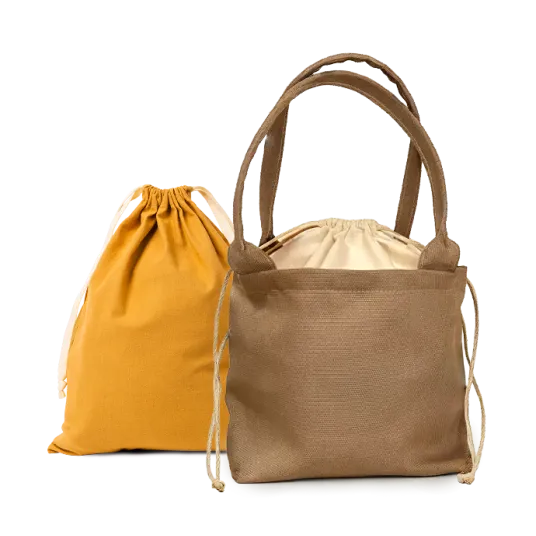
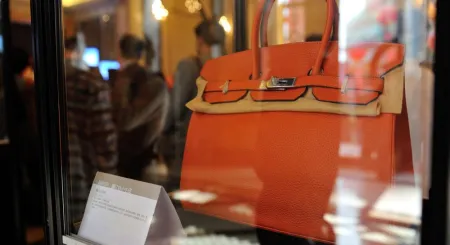
Packaging made of natural fabric is a valid alternative to paper and plastic packaging: it serves as a reusable accessory over time, protects garments, and adds value to luxury shoes, leather bags, clothing, and everything related to fashion and luxury goods.
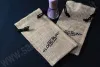
Fabric bags are customizable and durable, difficult to tear, washable, and can be used repeatedly to preserve products.
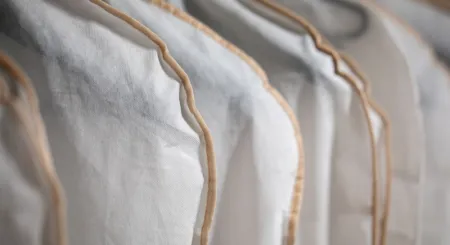
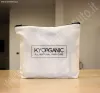
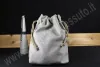
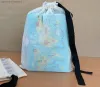
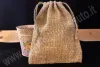
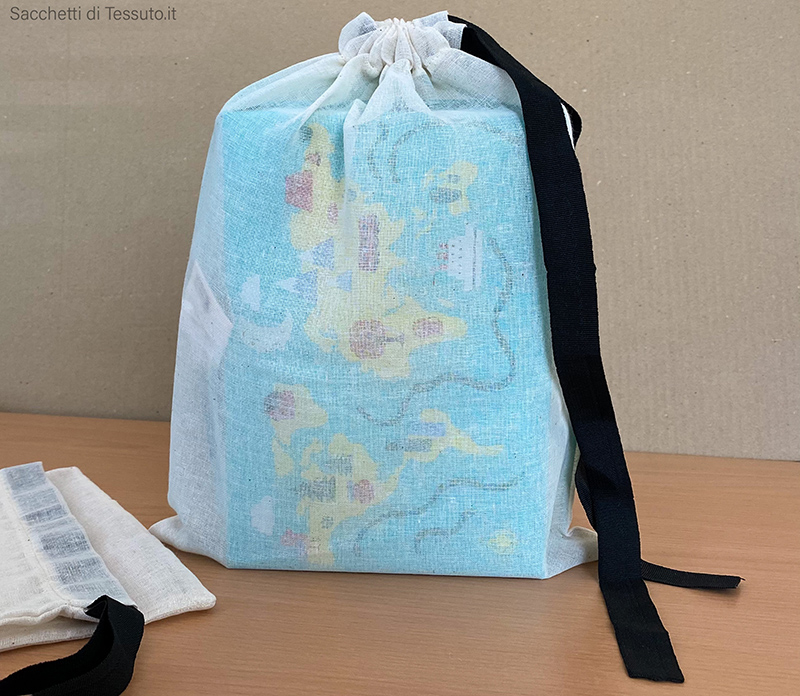
Above all, they adapt to every type of garment or accessory, as demonstrated by the natural muslin cotton bag you can see in the following image. It can be used to contain both clothing and bags because it is made from sustainable materials and has a semi-transparent effect perfect for highlighting the product’s shape.
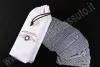
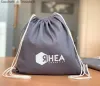
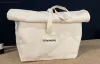
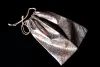
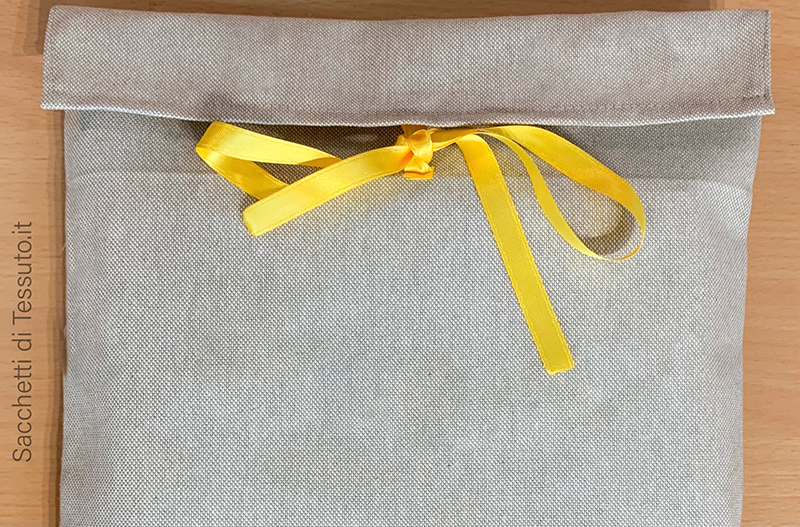
There are also colored ecological fabrics; you can see an example below. The grey melange cotton bag/cover we produced for a client features a flap closure that can be adjusted in height to fit the content and create a distinctive package for valuable garments such as shirts, trousers, or accessories.
This is just one example demonstrating that choosing an ecological fabric does not limit creativity—on the contrary—because the selection is very broad.
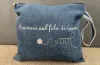
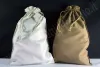
Not only cotton. An alternative to the traditional fabric used for garments and accessories is linen. Suitable for footwear and clothing, linen is a durable material. The linen fabric bags exemplify how the fabric can enhance the product without sacrificing sustainability.
Looking for more models?
Take a look at the wide range of fabric bags for the fashion sector in our catalog!